The neighborhood of Wicker Park,
Chicago was designated a Chicago Landmark District in 1991. Its boundaries range from Chicago Avenue to the south, Armitage Avenue to the north, Western Avenue to the west and I-90/94 to the east.
Wicker Park became a major part of Chicago in 1837 and has undergone major changes to become the lively and popular neighborhood it is today. In addition, many young professionals, Chicago artists, and students have been moving into Wicker Park since 1980 due to its affordability and proximity to the Loop.
Reputation
The Wicker Park neighborhood is well known for its renovated brownstones and walkups, quiet residential streets, and dynamic commercial scene. Chic bars and vintage boutiques reflect its bohemian spirit, and working artists and trendy hipsters occupy the residential majority.
It’s a multifaceted neighborhood that welcomes a diverse crown. It’s also known for its close-knit community and family-friendliness.
Hot Spots
With Wicker Park’s many boutiques and shops, you can find everything from hand-carved wooden masks from Africa to jewelry and designer clothing.
With nearly 150 restaurants dotting the streets, you can savor culinary delights from just about every ethnic cuisine, including Thai, Mexican, Moroccan and French. Popular sushi bars include Aki Sushi and Papajin.
Take in a comedy show at the Comedy Sportz Theater or a play at the Chopin Theater and Chicago Dramatists Theater. With music venues like The Double Door and the Empty Bottle, residents can discover new bands or enjoy old-time favorites.
There’s also a long list of basement bars and local bars where locals shoot pool and chat it up with friendly bartenders. And for art lover, there’s prominent art galleries like the David Leonardis Gallery, All Rise Gallery, Heaven Gallery and the Ukrainian Institute of Modern Art.
Safety
Wicker Park is 17 percent safer than other U.S. neighborhoods. Of the 260 annual total crimes in Wicker Park, only 18 were violent and the remaining 242 were property crimes. Residents have a 1 in 255 chance of becoming victims of a violent crime and 1 in 19 chance of becoming a victim of a property crime.
Generally, Wicker Park has more property crime than the rest of Chicago, but less violent crime. In fact, the median for violent crime in Wicker Park is just slightly above the national median.
Convenience
Wicker Park is easy to navigate on foot, bicycle, car, taxi or public transportation. The Kennedy Expressway leads right to the neighborhood, and you can hop on the CTA Blue Line to get just about anywhere. There’s also the METRA that stops at Clybourn Station.
Major roads like Milwaukee Avenue, Cortland Street, Damen Avenue and Division Street all have bike lanes. Plus, the city has bike racks and the new off-street Bloomingdale Trail.
Types Of Homes
The Wicker Park real estate options include a wide variety of housing styles and price ranges.
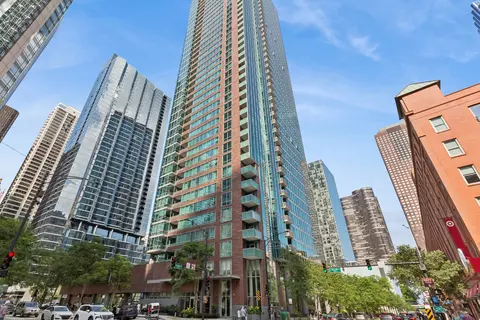
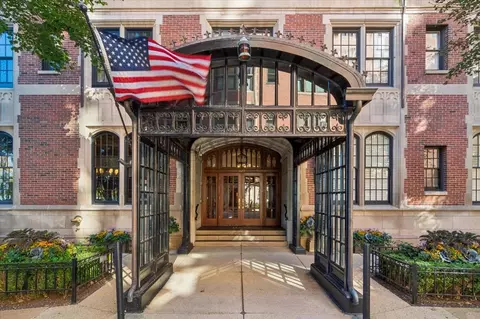
Condos include rustic lofts, mid-rises, new construction three-flats and vintage walk-ups.
Single-family homes include bungalows, rehabbed greystones, and new million-dollar construction.
Along Hoyne Avenue, there are a variety of Victorian-style homes built from 1868 to 1905 by prominent business leaders.