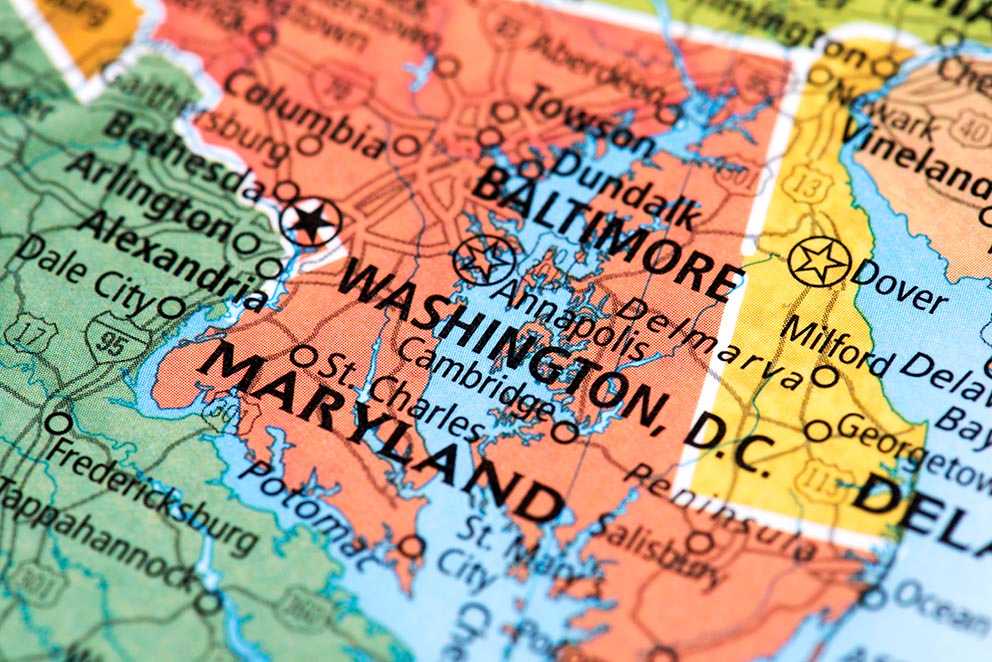
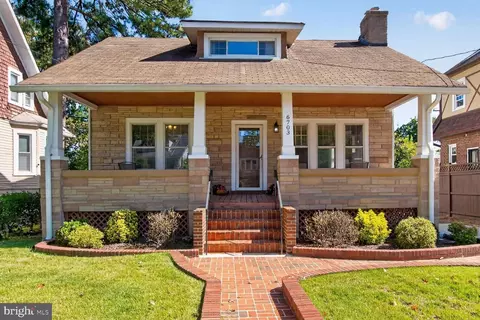
Our nation’s capital is expensive, but these Washington DC suburbs are much more reasonable.
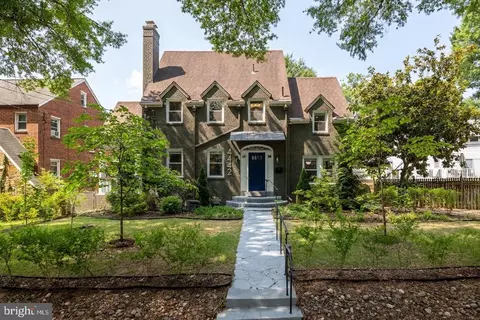
- $825,000
- 3Bd
- 3Ba
- 2,348 Sq Ft
New 30 Hours


Living and driving in DC is like something out of a horror film. The garages are a complete price gouge (anywhere from $12-20 for parking-and that's a "good" price), and the meter maids are always out in full force ready to ticket, tow or boot your Prius without a second thought. You thought you parked on the right side of the street? Yeah, you thought wrong.
And if you even think about speeding around the district, beware of the multitude of speeding cameras. In 2012 alone they brought in more than $78 million for the city.
Washington gets slammed for being a city where attire is conservative, but it's for a good reason-most people work in offices where "important work" is being done, and a sundress and strappy shoes are not going to cut it when you have a meeting with a Rear Admiral or a Foundation president.
So don't hate, coordinate. Your suits, that is.
Washington DC is a transient city, but don't be fooled-many people have lived in and around the district for years. The folks who breeze in and out are usually young people working on political campaigns or doing stints on the Hill.
Lifers tend to work at governmental agencies for ten or more years and then move out to the suburbs of Virginia or Maryland where the property is (somewhat) cheaper and there's space to raise a family.
Go-go music and mumbo sauce. Words like "sice" and "young". Transplants might not be familiar with these DC urban innovations or slang terms, but before DC became the newest hotspot for yuppie families and fancy wine bars, it was (and still is to an extent) home to a large and vibrant African American population.
Jazz musician Duke Ellington called Washington DC home, and poet Langston Hughes bussed tables at the Wardman Park Hotel before he was famous. Hometown hero Chuck Brown pioneered the funk of go-go music.
However, if you've spent any significant time in DC, you've noticed the change; DC's black population slipped below 50 percent in 2011 for the first time in 50 years.
Go anywhere in DC and you'll probably get asked about that weather we're having, your favorite sports team, and eventually, inevitably, what you do for a living. Folks outside of DC might get uptight about this question, but it really is just a way for D.C. residents to keep track of who they meet.
"Oh, that's Travis, he works for DoD," or "Yes, I know Trina, she works for the Smithsonian".
So don't take offense; it's like the NYC version of "Where do you live?"
Old pros in DC know the deal-if you ask where someone works, you will likely get an acronym instead of the full name of the agency. DoD (Department of Defense), OMB (Office of Management and Budget), DOJ (Department of Justice), and so on.
And each agency and organization has its own set of acronyms, so do yourself a favor and get familiar with Acronymfinder, because if someone asks you to "HH", you'll want to know that it means you've found a date for happy hour.
On one hand, it's nice to have a clean subway system that doesn't smell like death warmed over (cough-New York), and the DC Metro also lets you know very clearly when the next train is coming.
However, it sucks that the lines don't go all the way out to some places (H Street?). And when something breaks down on the Metro it's never small. All the elevators and escalators break down at the same time, or the Red Line is delayed. It's a Catch-22.
Washingtonians would be lying if they said they didn't get a kick out of seeing the nation's capital prominently displayed as the backdrop for the dramas that unfold on "House of Cards" and "Scandal." Having DC put on the small screen is always exciting, because then residents can brag that they jog in the same park as Francis and Claire Underwood, or that they work in the building that Olivia Pope walked past when she was on a mission to "fix" her clients.
It's a point of pride for Washingtonians that their city is cool enough for Hollywood to come knocking from all the way across the country.
First it was U Street, with its newly installed wine bars and Capital Bikeshare stations. Before that, DuPont Circle, Foggy Bottom, and Georgetown were all the rage. Right now, the H Street corridor and Shaw/Howard are the latest wave of "it neighborhoods."
H Street is getting a new burst of life with the anticipation of the H Street Streetcar, and Shaw/Howard and Bloomingdale are booming with folks who want affordable housing close to the action of U Street.
In six to twelve months, a new hotspot will likely emerge, probably somewhere in southwest or southeast DC.
Whether it's because of the racist name, the terrible losing streak, or even the fact that Redskins team owner Dan Snyder is notoriously crass, people are not fans of DC sports teams (with the exception of the Nationals and the Capitals-they're cool... because they actually win games and divisions and stuff).
It's no wonder you see a proliferation of Ravens and Steelers bumper stickers in the district. The DC basketball team is nothing to write home about, either.
There is already a name-change precedent in DC. The Washington Bullets sports franchise changed its name to the Wizards years ago because of the discomfort owner Abe Pollin felt over Washington's murder rate, and also over the assassination of his friend, Israeli Prime Minister Yitzhak Rabin.
Every year, people spout off about changing the name and/or logo of the Washington Redskins, and tribal leaders are polled about how they feel about the name.
If you can get three of eight local tribal leaders to say they have bigger things to worry about than the Redskins name (and who doesn't?), does that really change the fact that if "Redskins" is used in any setting other than as a direct reference to the football team (or as a reference to a potato), it's used with intent to offend?
Seriously, walk into any setting where American Indians are in the majority, refer to them directly as "Redskins", and watch what happens.
Feature Image Source: Flickr user confrontationalmedia