How well do you really know the city by the Bay?
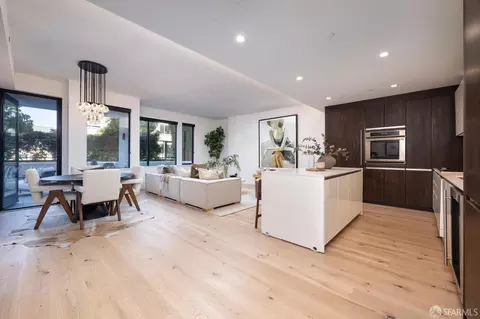
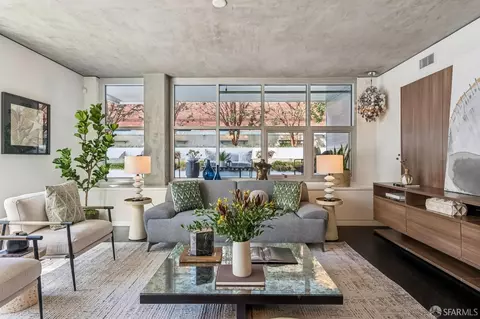
- $2,795,000
- 3Bd
- 3Ba
- 1,555 Sq Ft
New 18 Min


The Sunset District has been around for decades as part of San Francisco’s western edge of town. Distinct with its rows of 1950s style homes and number avenues, the area has numerous families and cultures located in the District, often clumping together by language and religion. It’s common to find Russian, Chinese, Italian and Irish enclaves in the District, which is most noticeable by the small businesses in the distinct areas. It's one of San Francisco's biggest residential real estate markets as well as one of the lowest amounts of inventory.

The real estate market for the outer Sunset District has been generally on pace with the rest of the City’s market, posting an average median value just under $1 million through November 2015. However, it’s notable that the number of units available are far less than other City neighborhoods, which contributes a lot to sustaining demand for the area. This level of pricing is up almost 20 percent from the previous year, but the actual sales activity for the District are down by as much as well. Units have not been moving as fast, with only a handful of units available and almost half of them being associated with a foreclosure phase.
The extreme western side of the Sunset District is literally the ocean with Pacific Beach. A long strip of full size beach and walkways that stretch from the Marina District all the way down past Daly City, the outer road borders the farthest edge of the Sunset built with a number of beach homes and two stories to take advantage of the ocean view. Inside the District, homes and buildings are a lot more compacted, with two story homes being a very common design. The garage and lower facilities for laundry make up the bottom floor, and the living quarters tend to be the second floor. However, many families and investors have rented out one floor, usually the bottom, and then live as the immediate landlord on the second floor. Parking is generally limited to the one car garage in the home and the street curb.

The Sunset District is bisected by a number of main streets, which are the critical arteries for getting in and out of the neighborhood. Since many of the streets are avenues running north to south, every singular street is connected to a main artery at some point. This cuts down the through traffic tremendously, but makes walking or driving near the main arteries very dangerous. During commute hours these arteries can become extremely packed with traffic and slowed to a crawl.
Depending where one lives in the District, you could find a home on a hill or in the flat section. The natural geography of the area has a number of rolling hills that are sporadically spaced. As a result, anyone walking is going to find at some point high and low areas in the District. The angular position on a hill makes for some interesting living and parking.
Most District residents tend to take advantage of the bus lines and trolley systems to get to the downtown core or work during the weekday. While many have cars, parking is a premium in San Francisco, and parking downtown can run as much as $15 a day if not more. So a bus pass for a month is a far cheaper alternative. Since bus lines and trolleys run every 10 to 15 minutes during peak commute periods, the rides tend to be packed with workers during the weekdays in the morning and evenings. Just about every part of the Sunset District has a dedicated bus line within a few blocks of a home.

Weather-wise the District is exposed to the ocean, so it gets a lot of morning fog, cold, and wet air. During the deep summer the sun will warm the area to about 70 with 80 being the highest in rare occasions. During the winter the Sunset District tends to be overcast, wet and cold most of the time. Almost none of the homes have any kind of air conditioning system built in. Heaters, instead, are the main necessity as the wet cold can be downright irritating, even though it never gets below 50 degrees outside due to the ocean proximity.
In the middle of the District sits the western end of Golden Gate Park as well as the San Francisco Zoo. Both are regular locations for residents and visitors, with events happening in different parts of the Park year round. CSU San Francisco is also located in the District, with a campus footprint stretch at least five blocks in the lower western part of the neighborhood. And in between each block there are plenty of restaurants, cafes, diners and grocery stores with a unique blend of food, tastes, spices, dishes and more. San Francisco is world famous for the blend of food choices it has in such a small location, and the main routes of the Outer Sunsest San Francisco has a good share of these culinary adventures.

To get a proper feel for homes and locations in the District, one needs to spend some time walking the streets there and seeing the homes in person. The conditions of properties can vary significantly from very well kept homes to some that haven’t been changed since the 1970s. Depending on what one is looking for in a Sunset District home, there can be plenty of inventory or very little. The best way to maximize a visit and consideration is to do some good primary research on the Internet with a detailed listing site and then to work closely with a local, experienced sales agent to see properties available.