How well do you really know the city by the Bay?
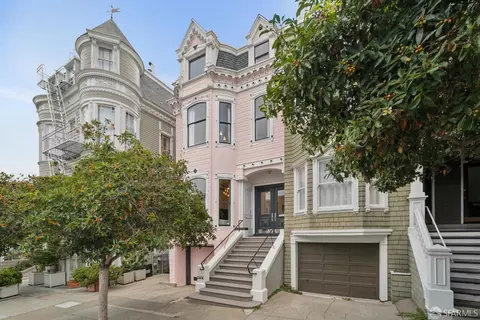
- $7,950,000
- 4Bd
- 4Ba
- 3,615 Sq Ft
New 10 Hours


Situated on the outskirts of the city, Portola is often forgotten. This San Francisco neighborhood has much to offer in its own right; however, it is a common hidden paradise. Portola is bordered by neighborhoods like Bernal Heights, Excelsior, and Bayview, which receive considerably more attention. Still, Portola is home to about 12,760 people. Anybody considering Portola as a new place to live should consider the following information about the neighborhood first to ensure that it is a good fit.

Portola takes up an area of about .771 square miles. The population density is 16,500 per square miles, which is less than the population density of the rest of the city. The median age for men in Portola is 39.2, and the median age for women in the neighborhood is slightly older at 46.8. The average household size for Portola homes is about 3.5 people, which is more than the average for San Francisco. Additionally, about 48.8% of these households consist of families.
The median household income for Portola residents as of 2013 is about $71,000, which is less than the median household income for all San Francisco residents. Additionally, the median rent in Portola is $1,515 each month, which is higher than the median rent for the rest of the city. The estimated value of detached homes in Portola is about $580,800.
Today, more than half of Portola's population is Asian, and nearly a quarter of the population is Hispanic. The rest of the population is mostly black or white. A small percentage of the population considers itself another race or two or more races. The diversity of this neighborhood has changed dramatically over the years.

Portola is a quiet community that is considered much more serene than the cityscape surrounding it. Walking the streets of the neighborhood, you will find small diners and splashes of street art on the buildings. There is little to no nightlife in the community, and it is not the best place to shop or dine out somewhere luxurious. This community is ideal for families with children and professionals who are looking for a quiet neighborhood. Of course, there is still a lot to do in Portola if you want to keep it simple. More than 43 bars, cafes, coffee shops, and restaurants exist in this part of the city, and most are easily walkable.
Portola also has a rich history. While the neighborhood was established in 1869, it remained mostly rural until the 1906 earthquake hit. Then, people became much more excited about living somewhere where the buildings were not at such a high risk. Today, you will find quite a mix of people living in the neighborhood.
One of the biggest downsides to living in Portola is the fact that public transportation is not as abundant in this neighborhood as it is in others. On the bright side, Portola is much more accessible via car thanks to its grid-like structure. It is also one of the easiest places in the city to find a parking spot, and the navigation is a breeze compared to the rest of the city. The airport is also just a short drive away.
The commute for most Portola residents is about 30 miles or less. The most popular occupations for men working in Portola include those in management, service positions, sales, transportation, and other office scenarios. Women tend to work in the sales, service, business, and financial industries. Additionally, about 7% of those living in this neighborhood currently live below the poverty line.
Crime in Portola is higher than throughout the rest of San Francisco, with a crime index of about 523.1. While property crime is significantly less in Portola than throughout the rest of the city, personal crime is higher in this neighborhood.
About 19% of Portola residents are currently attending a K-12 school. Nearly 9% are currently pursuing undergraduate colleges. The schools in Portola are known for their decent ratings.

Portola is probably best known for its ethnic diversity and family-style atmosphere. The first people to settle in Portola were Jewish, and the neighborhood was initially called Little Jerusalem because of its temples and kosher delis. Next, the area was populated by former residents of Italy and Malta. Today, you will find a larger population of black and Asian residents than in years past.
Of course, people also know Portola for its large number of independent businesses. Delicious bakeries are the norm. Walking to a local diner is typical for a weekend in this neighborhood.
McLaren Park is another prominent feature of Portola. John McLaren Park is the city's second largest park, with the first being Golden Gate Park. In addition to offering a park with a playground and plenty of greenery, McLaren is also a natural habitat for several types of plants and insects.
If you are looking for a family-oriented neighborhood that is also good for older professionals, Portola could be the best choice for your new home. Parks, restaurants, and diversity keep residents here, all the while keeping it a calm and collected community for the right person.