How well do you really know the city by the Bay?
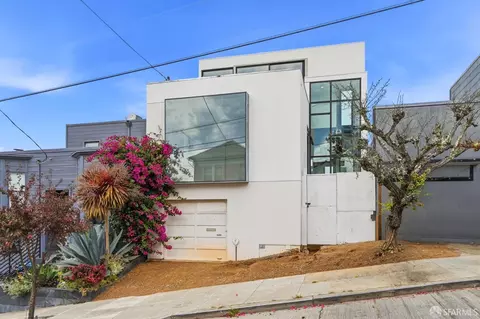
- $1,295,000
- 2Bd
- 2Ba
- 1,878 Sq Ft
New 33 Hours


Bayview San Francisco perfectly embodies the push and pull of development versus impoverishment that mark the city’s colorful past. What was once hailed as one of the worst neighborhoods in the city – and nation – Bayview, also known as Bayview-Hunters Point, has earned a new reputation thanks to an influx of city funding and development. As a result of this decade-long revitalization project, Bayview is slowly emerging from its history of marginalization and violence to serve as a beacon for the city’s socioeconomic renaissance.
Although Bayview is shaking off its historic stigma, the neighborhood is still best known for its past. Tucked into the Southeastern corner of San Francisco, flanked by now abandoned Hunters Point Navel Yard and skeletons of old, industrial meatpacking buildings, Bayview earned a gritty reputation for being a hotbed of drugs and crime. The celebrated diversity of San Francisco degraded into bleak marginalization as African Americans were displaced into the neighborhood during the discrimination and racial segregation of the 1940’s and 1950’s. Historically, more than half the neighborhood’s population has struggled to find employment according to the Bayview Housing Authority, and with nearly a third of that population under the age of 18, gangs and crime have been allowed to incubate and fester in the streets. Volatile race relations ran high between the police and local residents as crime overtook the area. Factor in enough radioactive materials from the now decommissioned Naval Radiological Defense Laboratory (NRDL) to earn the area a government Superfund rating in 1984, and 550 tons of toxic chemicals pumped into the air from an unregulated PG&E power plant, and Bayview San Francisco might have seemed resigned to a bleak future. Residents in the area saw an uptick in respiratory illness, disease, asthma, and birth defects as a result of this contamination and pollution, while drug-related issues and sexually transmitted diseases presented a whole new set of issues such as HIV/AIDS and Hepatitis. With so many factors working against it, law enforcement and city officials turned a blind eye to the darkness in Bayview until the late 90’s and early 2000’s.
Then something miraculous happened and the culture began to shift, heralding a new future for Bayview and a preview of what the neighborhood offers today. Filmmakers like Kevin Epps created documentaries such as Straight Out of Hunters Point and photographers like Alex Welsh captured the struggles of Bayview residents in hopes of raising awareness for this forgotten neighborhood. City housing officials and advocates took notice and contracted more than $500 million of relief to revitalize the area as part of the HOPE VI program, which began in 2003. Slated for completion in 2017, the project includes support from the John Stewart Company, Devine & Gong, and Ridge Point Non-Profit Housing Corporation, in addition to the Mayor’s Office of Housing.
This shift in culture is due, in large part, to dramatic improvements in residents’ quality of life as a result of the HOPE VI project. The plan aims to replace 267 slum houses with 530 new, safe, affordable rental properties in addition to a refreshed street grid, new public park, and access to city infrastructure such as social services, affordable retail space, public transportation and civil amenities. The activity ignited a flurry of activism and interest from other corporations, such as development powerhouse Lennar, which may bring additional funds, real estate development, and commerce to the neighborhood. Despite some pushback from local residents (housing prices did increase more than 300% over the last decade as a result of this renaissance, after all) and controversy over health risks associated with development near the naval yard, the project represents a huge milestone toward a brighter future for Bayview San Francisco. It goes without saying that crime is still higher in Bayview than in the quaint streets of Nob or Russian Hill, and that Bayview public schools will need support and funding to catch up to the influx of neighborhood development, but the results clearly illustrate that change is within sight.
Today, Bayview represents a diverse, mixed-income population of new families and an up-and-coming blue-collar community resulting from the emergence of affordable homes within the historically sky-high San Francisco real estate market. The budding sense of community and increased measures for safety and security are making Bayview more desirable for longtime residents and newcomers alike.