So. Much. Adrenaline.
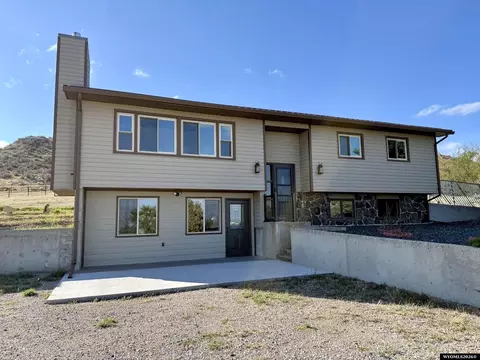
- $889,000
- 3Bd
- 2Ba
- 1,500 Sq Ft
New 13 Hours


Wyoming at a Glance
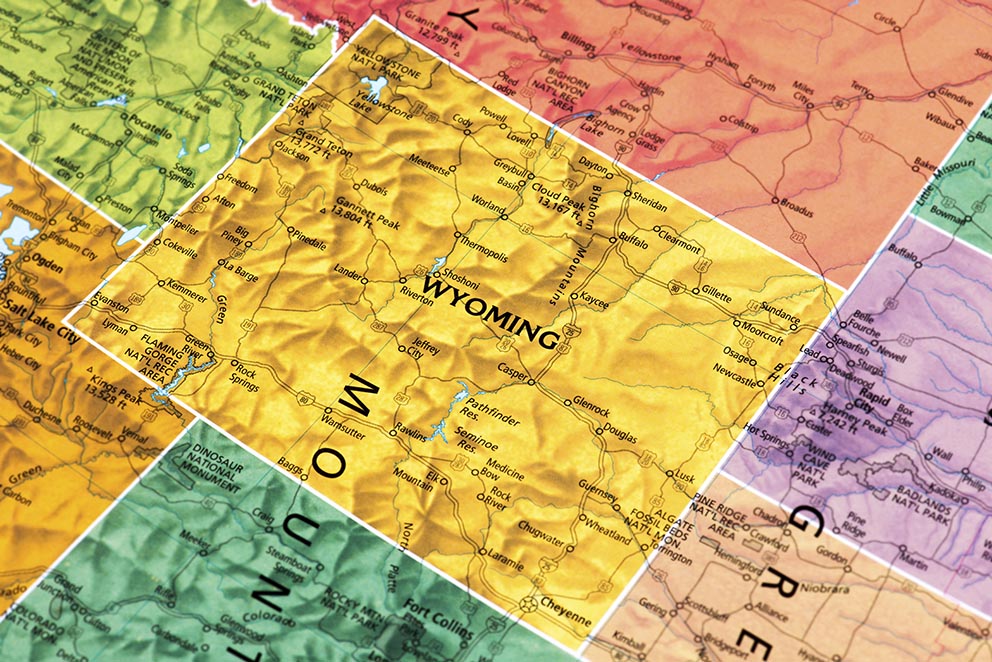
Wyoming is an expanse of pristine beauty. It’s the least populated state in the nation, despite being the ninth-largest state in the US, and 91 percent of its land area is rural. The only two cities in the state with populations exceeding 50,000 are Cheyenne, with about 63,000 residents, and Casper, home to about 60,000. Yet millions flock to the state each year in search of the deep connection with nature that often eludes us in our cities and towns.
Grand Teton National Park boasts more than 200 miles of multi-use trails and draws adventure seekers like climbers and kayakers. The breathtaking scenery of Yellowstone National Park covers more than 3,400 square miles, most of which is in Wyoming. Visitors to the park can watch the eruption of famed geyser Old Faithful, and if they’re lucky, spot wildlife like bison, wolves, and grizzly bears (preferably from a safe distance). Other natural wonders in the state include Devils Tower and Fossil Butte. History buffs will find plenty to excite them. The Fort Laramie site recreates life during the period of westward expansion, while three National Historic Trails let visitors walk in the footsteps of the pioneers as they traversed the Oregon, California, and Mormon trails. Rodeos and festivals celebrate the state’s culture and history, like the Wyoming State Fair, Cheyenne Frontier Days, and the Grand Teton Music Festival.
Top Cities in Wyoming
Why You’ll Love Living in Wyoming
Wyoming’s unemployment rate of about four percent is lower than the national average. Tourism is one of the most important economic sectors in the state, employing about 31,000 people. More than 10 million visitors were drawn to Wyoming’s parks, monuments, and festivals in 2014. In even better news, these tourists are spending more money in the state each year, with travel spending recently hitting a record-breaking $3.3 billion. Because nearly 75 percent of tourists drive to the state, years with the lowest gas prices tend to yield the best visitor statistics. Mineral extraction is another mainstay of the economy. Coal, uranium, and a mineral called trona are mined throughout the state, and Wyoming ranks among the top 10 states for both natural gas and crude oil production. The state’s median household income of about $57,000 is slightly higher than the national average.
Wyoming’s permanent housing market is only marginally affected by the booms and busts of the oil industry, because most of the oil workers live in transient housing, like hotels and rentals. Douglas has seen a surge in new construction recently, while Cheyenne remains a strong seller’s market due to low inventory. Jackson has some of the highest home prices in the state, not unusual for a resort town, with a median list price of $587,000 compared to the state’s median of $185,000. In Cheyenne, the median home price is $171,000, while in most of the state’s largest cities, that figure is just under $200,000. The overall cost of living in Wyoming is six percent lower than the national average.