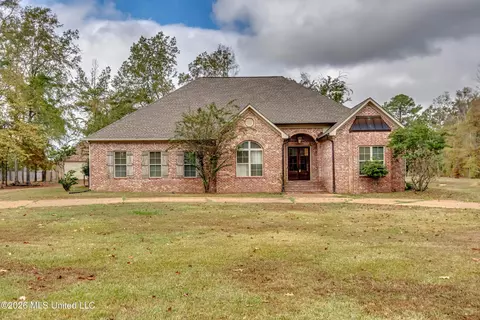
Only Mississippians know the correct response to “Are you ready?” (And it’s not a yes or no answer).
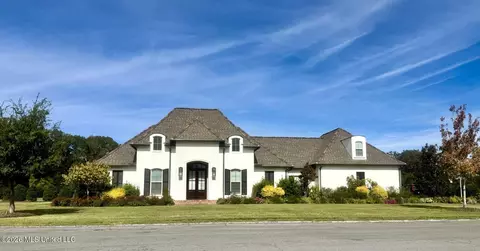
- $895,000
- 4Bd
- 3Ba
- 3,251 Sq Ft
New 33 Min


Increasingly, Mississippi is climbing higher on the list of desirable states to move into, or to retire in. Many of the Magnolia State’s cities have begun to be included on national “Top Ten” lists for things like livability, safety, job growth, and more. Long-time residents live the state motto, the “Hospitality State,” and welcome friends, visitors, and tourists alike with graciousness, good food, and of course, hospitality. Home prices, employment levels, wages, and quality of life are all improving, making many cities’ work-life balance competitive with other states and places, particularly when you consider the mild year-round climate and the proximity to the Gulf of Mexico from any location in the state. Here are four of the Mississippi cities that are on the move up.
Pascagoula has long been known within the state as a diamond in the rough. Home to one of only two shipyards in the nation large enough to build Navy vessels, employment in this city of 22,000 has experienced booms and busts corresponding to the nation’s defense budget. The core residents are seldom affected by budget, however, and tend to remain employed and in-place. The workforce is well off by Mississippi standards, with the median household income slightly higher than the state at $38,517, compared to $37,963. Homes are slightly more expensive than in the state as a whole, also, with the median price of $114,700, 15 percent higher than the Mississippi median of $100,200, but still 37 percent lower than the national median of $181,400. A larger percentage of residents rent in Pascagoula than statewide, with 41.2 percent renting, at an average rate of $746. This is $58/month higher than the state average.
The average commute time of 17.25 minutes is longer than 74 percent of other cities, but the income derived from the commute puts workers in the top 23 percent in the state, making the slightly longer commute worthwhile. Across all Pascagoula occupations, the mean wage is $19.80, and the average hours worked each week is 37.5, slightly more than the national average of 34.4. What this really translates to is that Pascagoula Is a diamond after all, but not still in the rough.
Mississippi’s state capitol and largest city, Jackson’s suburbs routinely get more press than the city itself. However, Jackson doesn’t take a back seat to the suburbs. The city unemployment rate of five percent is lower than the state average of 6.3 percent, and equal to the national average. Jackson’s cost of living is the same as that of the state, and housing costs are 39 percent lower than the national average. While the median income is 37 percent lower than the national average, and slightly lower than statewide, the drop in unemployment demonstrates an upward trend for the city.
With a mean hourly wage of $19.70 across all occupations, and an average or 35.5 hours worked weekly, Jackson residents have plenty of free time to enjoy the out-of-doors, or to go boating on nearby Ross Barnett Reservoir. Mississippi’s mild climate is conducive to a relaxed, low-stress lifestyle. While roads have not completely kept pace with the city’s growth, leading to a longer than average daily commute of 19.8 minutes, the city is vibrant, healthy, and is fast becoming a favorite place to relocate.
The Hub City is home to two universities, Southern Mississippi and William Carey. Hattiesburg is not only one of the most attractive places in the state to raise a family, but was also ranked by CNN-Forbes as one of the ten best places to start a business, and the 14th best for job growth in the nation. The city’s unemployment rate of 5.5 percent in February 2016 is higher than the national average, but much lower than statewide. Median household income falls at only 60 percent of the national average, which is only partly offset by the 17 percent lower cost of living and 33 percent lower housing cost.
Hattiesburg is home to 46,284 residents, and is one of the youngest cities in the state due, no doubt, to the high numbers of college students and recent graduates. The median age of 27.2 years is almost a decade younger than the state median age of 36.6. The relatively low mean hourly wage of $17.50 is another indication of a workforce early in their respective careers. The wages are partly offset by an average work week of only 35 hours, one of the lowest in the state, leaving more hours for the short drive to the beach. Daily home to work commute is less than the national average, at 16.77 minutes, with the primary reason being the relative age of the city compared to the numbers of students on the streets daily.
The Gulfport-Biloxi metropolitan area is the number one tourist attraction in the state of Mississippi. Its location on the famed “whitest beaches in the world,” coupled with the presence of eight major casinos draws in visitors from all across the nation. Just inland from the Gulf of Mexico is a series of rivers and bayous that have become a mecca for canoe and kayak enthusiasts, featuring the widest variety of birds, freshwater fish, and flora found anywhere in the United States.
The unemployment rate in the area matches the state overall at 6.5 percent, higher than the national average, and the wages are much lower than the national median. With an average work week that is the shortest in the state at 34.8 hours, and an average hourly wage of $19.80 across all local occupations, Gulfport-Biloxi employees rank in the top 20 percent of all workers in the state. It takes a bit longer to get to and from work, an average of 21.7 minutes, but residents report that driving along Highway 90 and watching the waves roll in doesn’t seem like a very long commute at all.