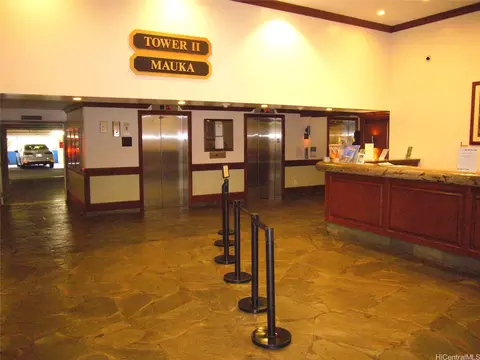
Kick off your slippers and just relax.
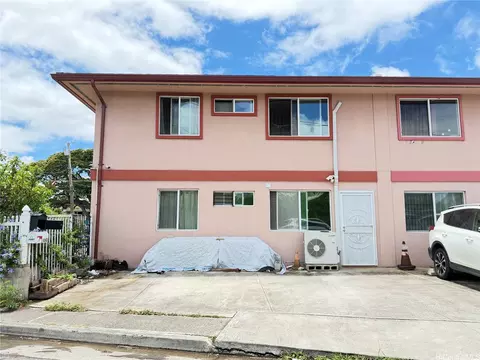
- $1,480,000
- 10Bd
- 8Ba
- 3,510 Sq Ft
New 11 Hours


Honolulu may have a high cost of living compared to other cities and states, but it's got one significant thing going for it: you can live anywhere in Honolulu without a car. In fact, many people do; there are actually a few disadvantages to owning a vehicle in Honolulu, especially with parking being as much of a challenge as it is. If you're looking for a home or condo in Honolulu, you may be able to skip vehicle costs altogether. Any neighborhood in Honolulu is accessible via public transportation. However, there are areas that are probably better to live in without a car. Downtown Honolulu, Ala Moana, Diamond Head, and Waikiki are all excellent examples. The bus routes in these areas stop at nearly every single block, and almost all properties will be directly on the bus line. You'll find that you can get anywhere on the island from a property in these areas.
Not only is having a car easy in the major commercial of Downtown Honolulu, but it can actually be detrimental to have a vehicle. Public transportation is often easier throughout Downtown Honolulu because of the parking situation. There are very few free lots in Downtown Honolulu and many businesses don't have enough parking for all of their employees. In fact, even apartments and condominiums in Downtown Honolulu may not have enough parking to support vehicles for all their residents; a condo or apartment will usually come with a single parking stall, even if it's expected to have multiple residents. Consequently, many individuals find themselves looking for street parking, which requires the ability to parallel park. In downtown Honolulu, it's just easier to use public transportation or to walk -- and everything you need is in walking distance. Many condominiums even include things such as small grocery stores and gyms.
As one of the best locations for both college students and retirees, Ala Moana has a multitude of public transportation options, from traditional taxi services to shuttles for the elderly. By far the most used public transportation service is The Bus. The Bus system operates with new and well-maintained vehicles (some of them are now at least partially powered by renewable energy), and is extremely reliable, and the major bus station in Honolulu is located in Ala Moana Shopping Center. The bus runs nearly 24 hours a day, ending its routes at between 1 AM to 2 AM (depending on location) and restarting within a few hours, making commuting simple. Bus passes and a comprehensive transfer system also make using The Bus affordable. A monthly pass for the bus is only $60 for adults, with an annual senior pass of $30.
Waikiki is by far the best area for sheer walkability. In Waikiki, you can get everything that you need simply by walking one or two blocks... including a trip to the ocean. Waikiki is a highly condensed location; a five minute walk will take you to the local grocery store, your optometrist, or a fine dining restaurant. Biking is another story: biking can be a challenge on the condensed and narrow roads throughout the strip, and you may want to take a "test run" if you intend on biking frequently to and from work. Waikiki has been designed to be walkable by tourists, and the entire area can be walked through in about twenty to thirty minutes.
Far east of Honolulu -- Kahala and Hawaii Kai -- still have bus service routes (and, in fact, the buses are often newer and cleaner) but the commute can be rather long, especially during times of high traffic. That being said, those who live near to Kahala Mall and other small shopping centers usually will never need to set foot on the bus; the towns themselves are self-contained and walkable. There are areas of Kahala that are dominantly suburban, so it can take a bit of time to get to a shopping center or grocery store -- Kahala definitely isn't as walkable as areas such as Downtown Honolulu or Waikiki, but it's also more luxurious, with larger properties and spacious lots.
Far west of Honolulu -- the area around the Arts District and Chinatown -- can be a bit congested as far as traffic goes, but it's also a self-sustained ecosystem; most of what you want will be in walking distance. Chinatown is one of the oldest neighborhoods in Honolulu, and it was built before cars were in widespread use. The streets are narrow and the vendors are plentiful. Even banks are in close walking distance for those who need to complete all of their daily tasks on foot.