Whiteaker: Home to those with Whit
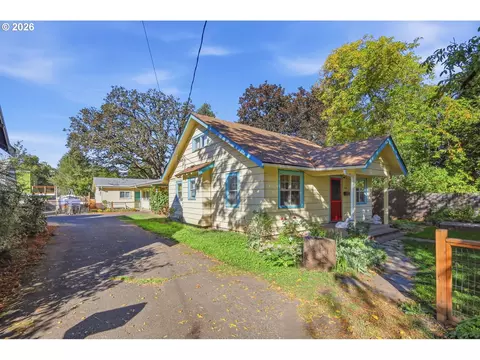
- $645,000
- —Bd
- —Ba
- 2,984 Sq Ft


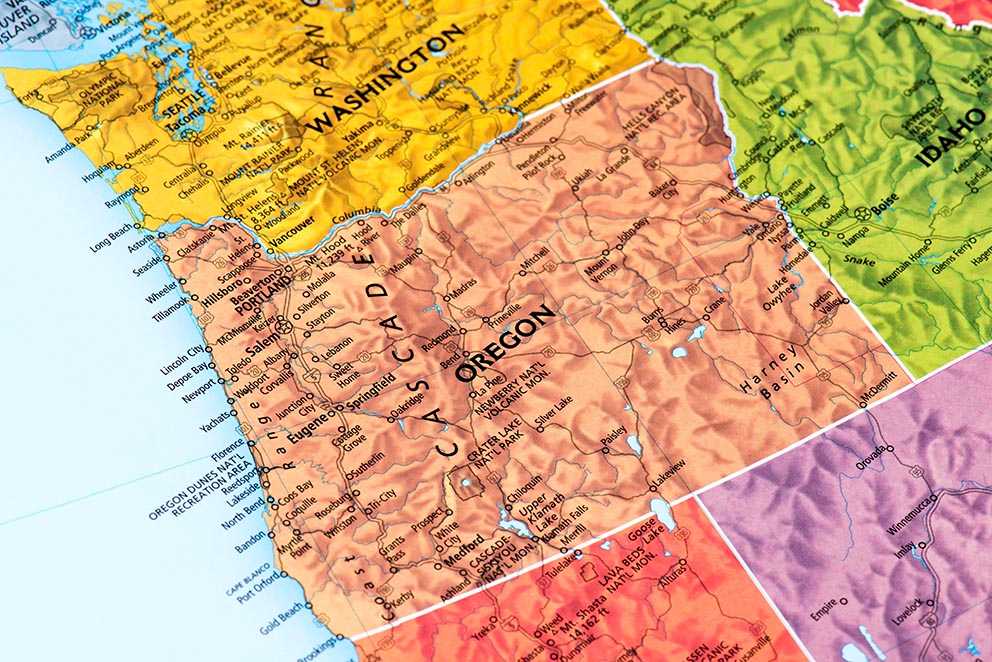
Eugene, Oregon is known the world over as "Track Town U.S.A." for its medal-winning University of Oregon track and field teams. Anyone who has visited the city, however, knows it is also the home of some of the country's most colorful characters. If you're interested in living in a community where creativity and personal expression are everyone's highest priorities, you'll not find a better neighborhood than Eugene Whiteaker's.

Source:wikimedia.org
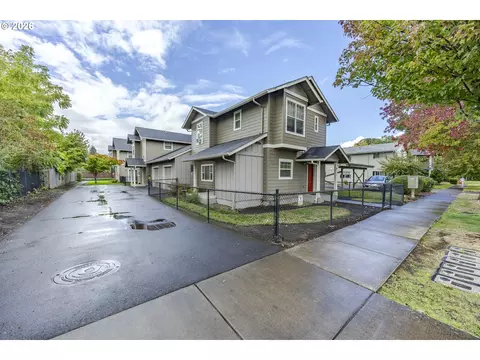
The oldest neighborhood in town, Whiteaker began as the commercial hub around the local train stop. As the gateway to Eugene, unassuming industrial and commercial developments arose along the railroad tracks and the banks of the nearby Willamette River. Among them, apartment buildings were constructed to house railway workers and their families. The community beyond the tracks was primarily agricultural, with small farms and orchards. After the second World War, those acreages were converted to city streets. Whiteaker real estate now features home styles that reflect a mix of classics from both the 19th and 20th centuries, such as Victorian, bungalow and split level.
Perhaps looking for a personality, Whiteaker found one in the 1960's when it became a west coast mecca for all things "hippie." The area's low rents and constant creative activity of hundreds of flower children established Whiteaker as Eugene's center for freedom of expression and "letting it all hang out." Things got messy, however, in the 1980s and 90s, when expressing oneself included declaring war on society's traditional values. Anarchists and left-wing radicals dominated Blair Avenue, the neighborhood's main drag, and their vehemence drove away all but the drug dealers and homeless.
Fortunately, in the mid-1990's, the Whiteaker Community Council took on the task cleaning up the neighborhood. Today, the council continues to work to resolve community concerns such as land use and social, educational, and economic development. In keeping with the neighborhood's truly quirky personality, recent discussions about adding a public parking garage included inquiries as to whether said garage could also function as a farmer's market or solar electricity capturing station.
Until about eight years ago, there were two main industries in Whiteaker: the arts and organic food production. Each remains strong and is getting stronger with the addition of the beer-brewing activity that began in 2007.
Arts:
Whiteaker's cost of living is lower than other areas of Eugene, which accounts, at least in part, for its attractiveness to the self or minimally employed. Artists of every kind of media apparently absorb the creative juices of their neighbors, and the resulting vibrancy of street-side murals and eclectic food preparations are unmatched in Eugene. The quiet, tree-lined residential streets in Whiteaker's northern and eastern sectors are home to small studios, community gardens and crafting spaces. Blair and Van Buren Avenues sport several more formal galleries, as well.
Organics:
Not surprisingly, the 1970's hippies were among the first to embrace organic farming as an occupation. By the early 1980's, a number of local farms were uniting in their organic practices and marketing efforts, and both the neighborhood and Eugene became known for producing high-quality nutrition-rich, pesticide-free fruits and vegetables. Today, Whiteaker is a central location for Community Supported Agriculture (CSA) programs, and many of its residents are employed in those industries.
Beverage Brewing:
Since 2007, however, beer brewing has grown into one of Whiteaker's biggest industries. That year, Ninkasi Brewing opened the neighborhood's first commercial sized brewery. In the years since, three more large breweries, a winery and a liquor distillery have all opened their doors, inviting national and international alcoholic-beverage aficionados to town and dramatically increasing the local employment rate.
The Best Kind of Entertainment:
When you combine Whiteaker's arts, agriculture, and creativity, you get a community that thrives on one-of-a-kind everything. While enjoying your beer tasting, you'll be offered a wide selection of (both organic and non-organic) appetizers and entrees at any of Whiteaker's eclectic restaurants. From vegan to Mexican-Salvadoran, many of Whiteaker's innovative chefs use ingredients that are sourced very locally. To craft your own organic gastronomic delights, there are several organic grocery stores within walking distance of most of the neighborhood streets.
Music is celebrated, too. The oldest music venue in the community is housed in an early resident's former garage and is known for its blues and jazz nights. In 2007, Esquire Magazine declared it one of America's Best Bars and stated that it was set in "one of the weirdest neighborhoods" in the country. Other, equally unique music stages offer a variety of bluegrass, rock and roll and underground tunes.
Put the music and food scenes together for a day and you have the annual Whiteaker Block Party, a Whiteaker-centric music and food extravaganza. Vendors line the streets, and the bars open their stages to almost round the clock concerts. Because it is a completely volunteer endeavor (even the musicians play for free), it is a free event (except for the price of the beer and food, of course).
Whiteaker has matured in the past decade and is now one of the trendiest neighborhoods in Eugene. Anarchy has been replaced by ecology and environmental causes; there are several (public and underground) environmental groups that find friends in the community. It is the birthplace of political action groups, too, such as "CopWatch" and "Food Not Bombs." If you're looking for an arty, relaxed and tolerant lifestyle, Whiteaker is sure to make you feel welcome.