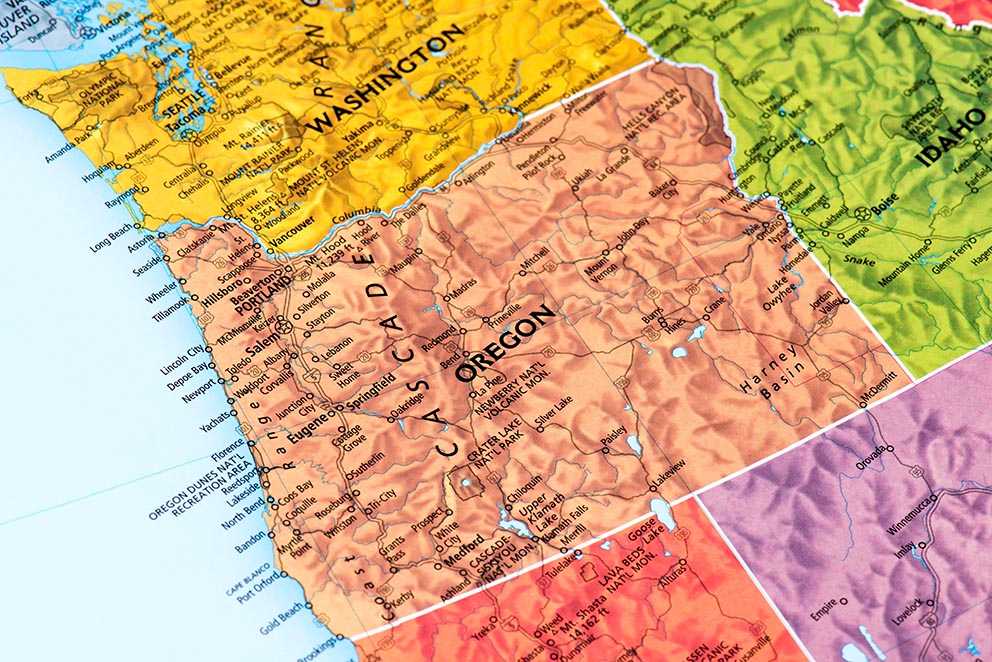
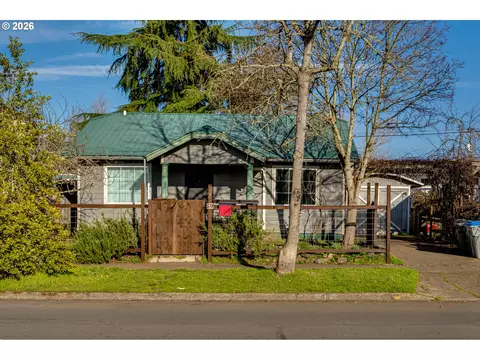
Eugene's Whiteaker neighborhood is overflowing with art, music, culture and organic produce, and is rapidly becoming one of Oregon's craft-beer destinations.
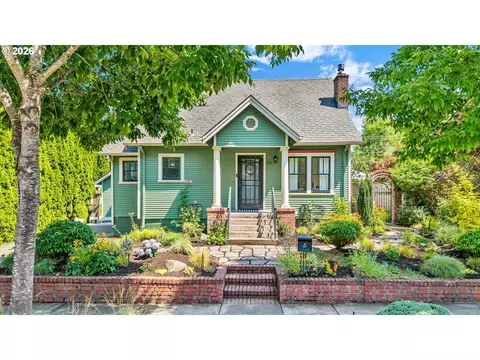
- $649,000
- 4Bd
- 2Ba
- 2,020 Sq Ft


Whiteaker Eugene is an eclectic neighborhood like no other. Bordering the Willamette River, it’s marked by vine-entangled homes, antique railroad tracks, historic buildings, and walks along Whiteaker’s Blair Boulevard and West 6th Avenue borders. Affordable homes in the $200,000 to $250,000 range abound and give rise to bootstrapping artists and parents who are eager to transition from careers in manual labor to the opportunity to improve on history and traditional blue-collar careers to become powerful creators and white-collar managers. The neighborhood of 4,452 mostly Caucasian residents boasts a mix of well-preserve relics and people and homes that are still waiting for their time to shine. With household income averaging out at $28,539, Whiteaker’s residents don’t mind being a mile from downtown and in historic homes in need of major rejuvenation, so long as they can live freely and enjoy the endless free pour of brewed beverages and tangential ideas this Willamette Valley neighborhood offers.
Named for Oregon's first governor, John Whiteaker, this neighborhood shows resilient leadership, with an extra dose of independence and uniqueness. It bears the memories and monuments of hard won fights for civilization and the promise of better lives sought by people like the Bonds. Families like these made use of the fertile soil and beautiful landscape of the Willamette Valley and the Cascades that create the majestic surroundings for Eugene and an agricultural and artistic hub that it would become. The Bond family passed down perseverance and groundbreaking entrepreneurialism to their grandson, Sam Bond, who began making Whiteaker the commercial boom it is today. Sam Bond served twelve years on the City Council and helped to boost commerce through a garage on Fourth and Blair that helped take advantage of the area’s railroad traffic and unique citizen energy to drive people through the town and out of The Great Depression. Bond demonstrated how talents for fixing and creating things could make the best use of the wonderful resources Eugene has to offer and that working together as a community, they could provide a lively and happy place to live.
A prosperous, neighborly mix of residences and businesses developed over the next several decades, until its motivation and unique identity grew into anarchist rebellion against politics and structures holding the area together and enabling the thriving of its entrepreneurs. The collapse included public demonstrations and mass strikes that led to economic changes and an increase of homelessness, crime and destruction by the 1980s. In true Oregon style, however, citizens came together to begin turning Whiteaker’s trash into treasure and bringing back attractive spunk. Leaders pulled people together and brought out the best in the creative, independent minds with the eco-friendly, sustainable peacemakers and planers helping to develop parks, tree-lined streets, and useful commerce and beauty.

Source:wikimedia.org
Today, Whiteaker is still a neighborhood in transition where just about anything goes as long as its shouts don’t get in the way of any other expressions of personality. In fact, its remodeled 1925 era Craftsmen stand side by side with Bungalows waiting for just the right thoughtful buyer to snatch it up and pick up the pieces of a sadder era to make it more 21st century worthy. All this lies amidst more modern condos and can all boast snarky signs from the days in which the homes held basement barbershops, porch swings, and hideaway home brewing stations rebelling against Prohibition and other past notions. Whiteaker seems to have such a knack for rising out of the ashes to create something completely new and divergent that it is fondly known as and for “The Whit,” and has three breweries, a smattering of vegetarian restaurants, and an open-air hippie and vegan-accepting vibe that can never be silenced.
While these remnants of anarchism and recession-era neglect, Whiteaker is still finding the right balance between the freedoms and personalities that its citizens desire, and the need for structure and progressive movements to unite it with the rest of peaceful, green Oregon. Crime rates remain higher than average, but the rising success of Whiteaker’s entrepreneurs and their ability to drive public works pursuits and education forward are gradually working to shut down those efforts. Whether rich or poor, quiet or eccentric, every Whit finds a place to enjoy the juices of the three breweries that mark the heart of the neighborhood, and are ready to shout the praises for them at Art Walks and summer music festivals that bring together all community members into the park and onto main streets during the summer. Brewpubs showcase the work of those three major breweries, inviting the public in to huddle up in tasting rooms like Ninkasi Brewing on Van Buren Street. Citizens wait out the cool winter rain in the cozy warmth of house brewed ales and IPAs while catching up with casual gossip and being entertained by budding jazz and eccentric blended musicians. Grand inventions like these come to life under the gaze of city founders, including in Sam Bond’s Garage, which has itself been developed into a hub for modern music that soaks up the beauty and ambiance of The Whit and the Willamette Valley.
Those who wish to eat innovation can pop outside to the food carts that like to take shelter under tavern roofs while pumping them with the smells of exotic spices being slathered on everything form Southern barbeque to Japanese inspired veggie burgers. Dreams come to mouthwatering fruition in these tiny trailers, in pizza parlors like The Pizza Research Institute making flavor explosion of cheesy, bright, vegan science, as well as inside the gleaming windows of expansive galleries awash in colorful impressions spanning all kinds of artistic muse and recycled beauty. The Whit is a place ready to welcome anyone in need of a bit of self discovery with a bit of edge and spunk ready to be shared and engraved into the unraveling of other stories, of a community honoring history and finding its greatness again.