Here’s what outsiders just don’t get about this city.
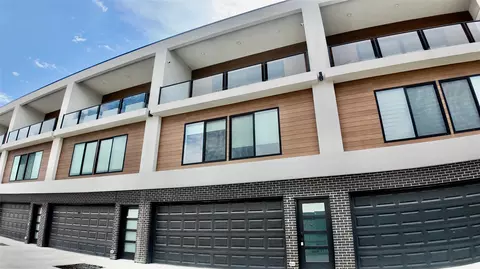
- $445,000
- 2Bd
- 3Ba
- 1,386 Sq Ft
New 4 Hours


Des Moines is an economically strong and vibrant city full of cultural activities, nationally recognized restaurants and scenic parks, but living in Des Moines can be difficult without reliable transportation. The city and surrounding suburbs are sprawling, but going without a car in Des Moines is not entirely impossible. The Des Moines Area Regional Transit Authority (DART) consists of 90 buses that drive approximately 15,000 miles every day to and from residential areas, major shopping malls, schools, and business centers. There also also several taxi companies in Des Moines, and the emergence of Uber has made getting a ride around the city even easier. However, relying solely on public transportation and taxi services can get tiresome quickly. Knowing where to live in Des Moines without a car is vital to avoid frustration. While there are other areas where ditching a car is feasible, such as the Drake University neighborhood and parts of Beaverdale, Des Moines' urban hubs provide the most variety in close proximity.
Downtown Des Moines
Downtown Des Moines has transformed into the city's “it” destination over the years. Once purely a business center, downtown is now home to some of the city's trendiest restaurants, bars, and cultural pursuits. Downtown features mostly loft-style apartments and condos, with a median list price of $251,750 (compared to the city median of $115,000). There are a few townhouse communities, but the area is largely dominated by restored buildings and warehouses, along with some new construction. The downtown condo and apartment market has grown tremendously, as young professionals and empty-nesters are increasingly drawn to the convenience and excitement of urban living.
Getting around in Downtown Des Moines without a car is fairly easy. For those cold winter days, downtown boasts an extensive, 4-mile skywalk system conveniently connecting buildings, while simultaneously shielding you from adverse elements. For nicer days, the city implemented a bike-sharing program. Des Moines Bcycle features 10 bike-rental stations located throughout downtown and offers 24-hour, 30-day, or annual memberships. Bikes can be picked up at your starting point and dropped off at any kiosk closest to your destination.
Downtown Des Moines hosts a farmer's market on Court Avenue every Saturday from May through October. Iowa is known for agriculture, and the farmer's market does not disappoint. It features producers from 58 counties, offering goods ranging from locally produced wine and cheese to Iowa-raised meat and a wide variety of organic produce. It's possible to stock up on groceries at the market during its active months, but a large grocery store is also under construction and should be completed this year. Outside of the farmer's market, Court Avenue is home to some of the city's most popular bars and restaurants. There are also numerous apartment buildings in close proximity to the popular street.
The nearby Principal Riverwalk features pedestrian bridges and pathways connecting to 300 miles of bike trails. In all, there are 550 miles of bicycle trails in the Greater Des Moines Area and nearby rural communities. The downtown bike trails are perfect for longer rides or just a casual loop around the city. Weather permitting, you can bike to all necessities and downtown leisure activities.
The Western Gateway area of Downtown Des Moines is home to refurbished buildings, new corporate headquarters, and beautiful greenspace. The 4.4-acre Pappajohn Sculpture Garden features 28 sculptures valued at approximately $40 million. It is an ideal spot to enjoy a short walk or read a book, since the sculpture garden is bordered by the Des Moines Public Library to the east. The Western Gateway also offers popular restaurants, bars, and a performing arts center.
East Village
Though technically still part of the greater downtown area, East Village has its own unique vibe. Located near the Iowa Capitol building and the Iowa Historical Museum, the trendy neighborhood offers mostly apartments and lofts in low-rise buildings. The area saw a complete overhaul in the 2000's, and construction in East Village is still booming. More apartments are being built to meet demand, as the neighborhood continues to attract residents with its eclectic charm.
East Village is home to a diverse mix of locally owned boutiques, coffee shops, popular restaurants, dive bars, music venues, and stylish lounges. You can also easily access all of the other attractions in Downtown Des Moines, as East Village is only a short bike ride or walk away. The Des Moines bike-sharing program does extend to East Village. Grocery options directly in the neighborhood include a small market and an Asian grocery store, but again, the Des Moines farmer's market and upcoming grocery store are nearby.
Sherman Hill
For those in the market for single-family homes, Sherman Hill is a historic neighborhood that is seeing an exciting revival. Located in a 15-block area northwest of Downtown Des Moines, it is one of the oldest residential neighborhoods in the city and consists of restored Victorian and brick homes and apartment buildings situated among stately trees. Sherman Hill is unique in that it offers rich architecture and history in close proximity to Downtown Des Moines and the Ingersoll neighborhood.
Sherman Hill is mostly residential, but it is home to a restaurant, coffee shop, specialty grocery store, and more. Hoyt Sherman Place, a grand entertainment facility, is also in the the neighborhood. Downtown Des Moines and the Ingersoll area can be quickly reached by bicycle or public transportation. Ingersoll further offers an assortment of restaurants, bars, and shops.