Here’s what outsiders just don’t get about this city.
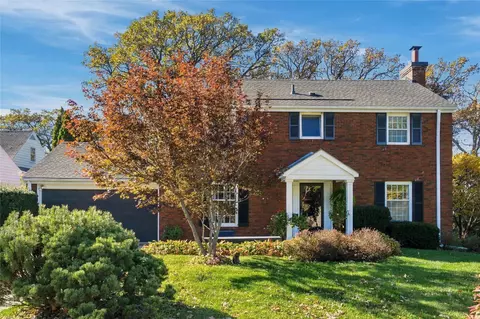
- $549,000
- 3Bd
- 3Ba
- 1,908 Sq Ft
New 36 Hours


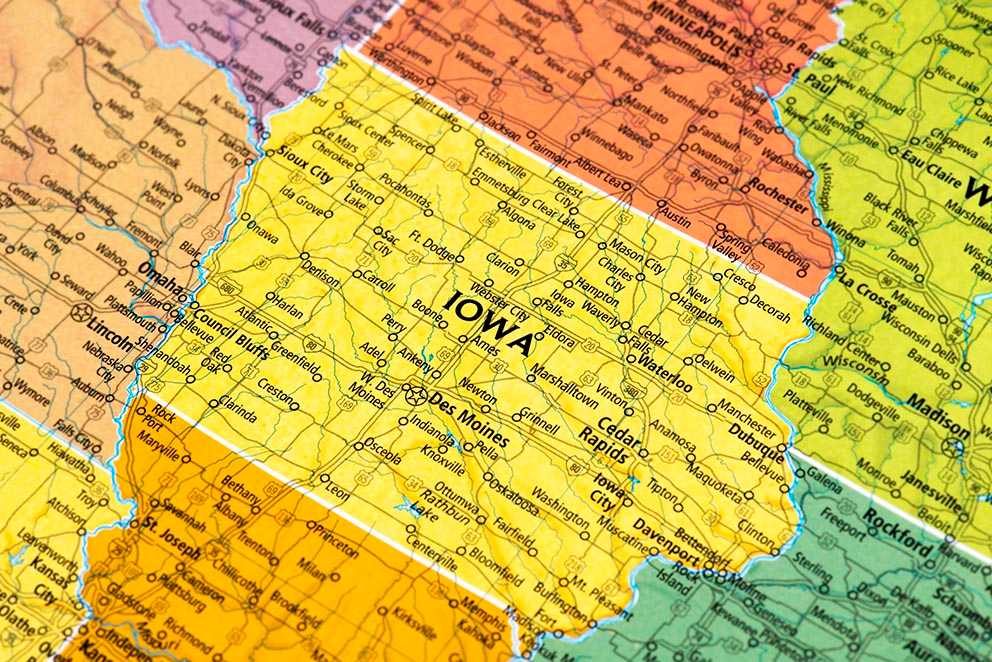
If you are planning on moving to Des Moines, you are not alone. The city and surrounding suburbs have experienced steady growth over recent years, as young professionals and families flock to this affordable and vibrant city. From one of the best business environments in the country to a thriving art and music scene, Des Moines is quickly attracting money-savvy individuals who value working hard and playing hard. Residents of Des Moines enjoy a cost of living around 10 percent below the national average, without having to make compromises on any quality of life indicators. Des Moines has quietly become the new "it" spot to live.
Movoto put together a comprehensive guide to moving to Des Moines. Their experienced and knowledgeable real estate agents know the city inside and out. They can help you navigate the different neighborhoods to find your perfect property. Whether you're looking for a downtown loft or a sprawling South-of-Grand estate, Movoto's agents will guide you in the right direction.
Where and When to Buy

The first step of moving to any city is deciding where exactly you want to live. After only a short visit, this can be a major challenge. Enclaves in Des Moines all boast different characteristics and nuances. The 13 surrounding suburbs make the decision even more difficult. The Des Moines metropolitan area spans 5 counties and each neighborhood has something to offer. As of January 2016, the median home price in the city was $165,000 - significantly lower than many other cities of similar size and offerings.
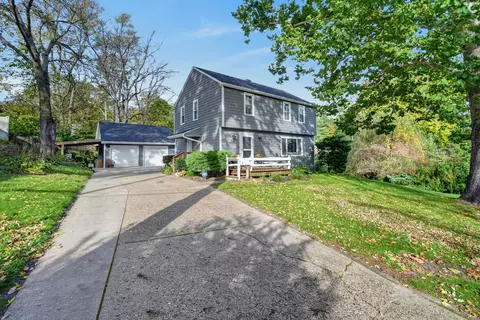
If you're looking for urban living, Downtown Des Moines is the obvious choice. The downtown area features unique lofts, townhomes, and condominiums. It is within walking distance to many major employers and entertainment options. It is the heart of the city and has quickly become a popular place to live. However, if you are looking for more space and a yard, another neighborhood or suburb is the obvious choice. In Des Moines, Beaverdale is a popular neighborhood for first-time home buyers. The area features quaint brick homes and a family friendly environment. The suburb of Windsor Heights has similar attributes. If you are looking for a larger home, the South-of-Grand and Waterbury neighborhoods offer stunning estates nestled among lofty trees. Some of the suburbs, including Ankeny, West Des Moines, and Waukee, offer newer homes of all sizes and a great public school system. A knowledgeable real estate agent will be able to guide you in the right direction.
Typically, the best time to buy a home is when median listing prices are low and inventory is high. This creates a buyer's market. However, summers in Des Moines provide the best moving conditions. Moving in the summer also allows younger children to start a new school year at the same time as the rest of their peers. Unfortunately, the warmer months are also the busiest time in the real estate market. More showings are scheduled, with more potential buyers. Because of this, sellers may not be as motivated to negotiate a price.
If moving conditions are of lesser importance to you, consider purchasing in the fall or winter. People may be more motivated to sell their home before the holidays. Similarly, if a home is listed for sale over the busy holiday period, it may be a sign the owner is anxious to sell. Moving companies are also less booked in the colder months.
After the Purchase

After you find your perfect home, it's time to actually move. There are many moving options available in Des Moines. First, decide if you simply need to rent a moving van or if you want to a hire a full-service moving company. Get a few price quotes from these different companies and look up their reviews. A quick online search of the company name should bring up multiple review sites for you to peruse.
You will also want to arrange a start date for all of your utilities. Some important numbers are:
After your belongings are all unpacked, it's likely you will have some boxes left over. Instead of storing these or tossing them in the trash, you can either contact your moving company (or any moving company) to take the boxes, list the boxes on a swap site (such as Craigslist), or schedule a special collection with your recycling company.
Throughout your purchase, you undoubtedly reviewed the property taxes on your new home. Property taxes in Des Moines are relatively high, but the overall low cost of living more than compensates for this. The exact tax rate differs in each area and is levied in terms of dollars per $1,000 of taxable value. Taxes can be paid in two installments, with the first due by October 1st and the second due by April 1st. You can pay your property taxes online at www.iowataxandtags.org.
The final steps to establishing Iowa residency are registering your vehicle in your county, obtaining an Iowa driver's license, and registering to vote. If you are an American citizen and hold a valid out-of-state driver's license, simply visit the DOT and present proof of identity, Social Security number, and proof of residency. You must register your vehicle and obtain a driver's license within the 30 days after your move. For more information, visit www.iowadot.gov.