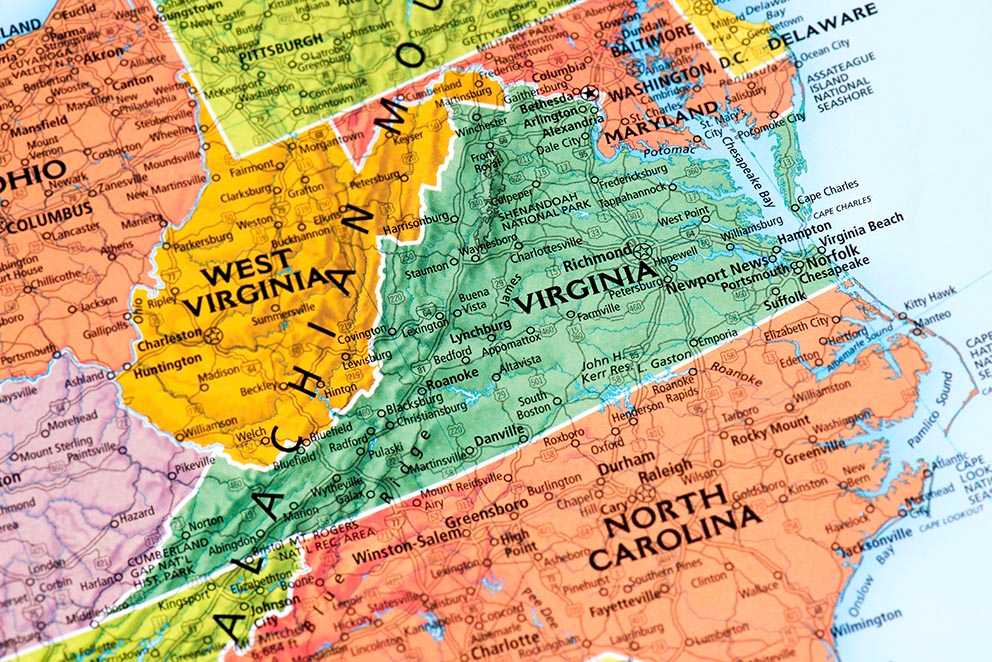
Chesapeake features a layout that is unique among many cities in the United States. Rather than being primarily urbanized with little to no areas that can be classified as rural, Chesapeake is actually quite the opposite. It is dominated by vast swaths of farmlands, protected wetlands and other rural greenspaces that are interspersed with small areas that are heavily urbanized. In spite of this unusual development pattern, knowing
where to live in Chesapeake without a car is easier than you might think.
Hampton Roads Transit

Source:en.wikipedia.org
Many of the urban areas within Hampton Roads are serviced by a bus service -- Hampton Roads Transit (HRT) -- and Chesapeake is no exception. With eight regular routes that criss-cross the city of Chesapeake, it is also serviced by two Metro Area Express (MAX) routes that HRT uses to connect the city to regions within the peninsula such as the cities of Hampton and Newport News, as well as the naval base in Norfolk. MAX routes provide riders with dedicated and non-stop access to areas where Chesapeake residents are most likely to have jobs, educational responsibilities and other needs.
Neighborhoods in Chesapeake
Due to its expansive reach -- Chesapeake encompasses 353 square miles of land -- living without a car is best approached by choosing to live within one of the more urbanized neighborhoods. Those listed below boast amenities located close enough to walk and bike to and offer easy access to HRT bus stops as well.
Indian River

Source:ottomanturkishrestaurant.weebly.com
Helpful Statistics
- Average Age: 37 years
- Median Income: $52,010 per year
Living in the Indian River neighborhood affords you easy access to various other regions within the city, as well as localities nearby. Hampton Roads Transit offers several bus routes in the area with numerous stops throughout the day. Due to some routes crossing into Norfolk, it is easy for students to attend college at Old Dominion University (ODU) or Norfolk State University (NSU) while living in the Indian River neighborhood. Though the neighborhoods generally do not have sidewalks, most can be biked or walked safely as they are quiet and speed limits are kept reasonably low.
The Indian River area is bisected by a major Chesapeake thoroughfare -- Indian River Road. Along this road -- which serves as a hub for the area -- lie numerous opportunities for shopping, dining, and entertainment. From ethnic foods such as the Kervan Kabob House -- a Turkish restaurant -- to seafood -- a nod to the area's long history with the water -- and southern cooking from restaurants like D'Cracked Egg, you will not lack for variety when you want to go out for a meal. Shopping expeditions for all manner of items -- from daily necessities such as bread and milk to clothing and books -- can be easily accomplished right within the Indian River neighborhood. Shopping expeditions for all manner of items -- from daily necessities such as bread and milk to clothing and books -- can be easily accomplished right within the Indian River neighborhood.
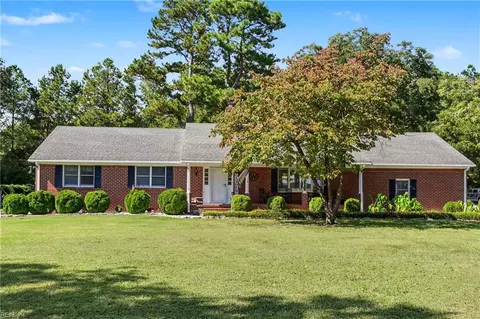
A variety of housing options are also available for you in Indian River. With small subdivisions dotting the area, Indian River offers numerous communities dominated by single-family residences. You can also find condos, apartments, and townhouses within the area as well. Renting a one-bedroom apartment in the Indian River area will likely cost you just over $1,000 a month, while the median price for a home is about $182,000.
Greenbrier East

Source:reddit.com
Helpful Statistics
- Average Age: 41.9 years
- Median Income: $95,956 per year
An area dominated by the Greenbrier Parkway as well as interchanges with several interstate highways including Interstate 64, the Greenbrier area of Chesapeake teems with possibilities that can easily be enjoyed by those without a car. Getting to the shopping area without a car means walking or biking through communities that typically lack sidewalks. The Greenbrier East area houses a stimulating mix of shopping opportunities that run the gamut from well-known big box stores to more unique offerings where can find a diverse selection of gifts for that someone special.
Entertainment options abound in the Greenbrier East area with a Cinema Cafe location that allows you to whet your appetite for good food and the latest flicks in one comfortable and convenient location. Feel like trying something a little off the beaten path for dinner tonight? Visit the Lemongrass Grille, a restaurant that specializes in Asian fusion and strives to use local foods that are also all natural.
Homes in Greenbrier East have a median value of $253,200, a figure that has dropped slightly over the past year. Projections for the next year, however, see the area's home values rising slightly. Median rents within this neighborhood are about $1,700, a slightly higher figure than the $1,600 found for the city of Chesapeake as a whole.
Deep Creek North

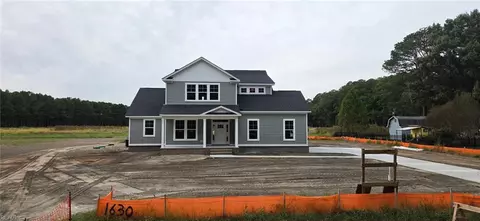
Source:stephenalexanderhomes.com
Helpful Statistics
- Average Age: 38.2 years
- Median Income: $60,679 per year
Located near the junctions of Highway 17 and South Military Highway, the neighborhood of Deep Creek North combines the best elements of rural living with the conveniences of urban dwelling. Though many of the residential neighborhoods are without designated sidewalks, they are quiet enough to allow for unfettered access to the roads for those on two wheels and on foot. Once you reach the main roads, you can hop aboard a city bus to take you to destinations that are further away.