_Fort_Mill,_SC_(6998459089).jpg)
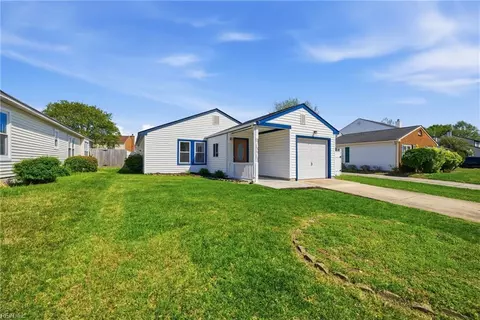
Find out why this charming neighborhood is a hidden gem in the city of Chesapeake. Check out Riverwalk real estate today.

- $1,495,000
- 5Bd
- 3.1Ba
- 5,000 Sq Ft
New 7 Hours


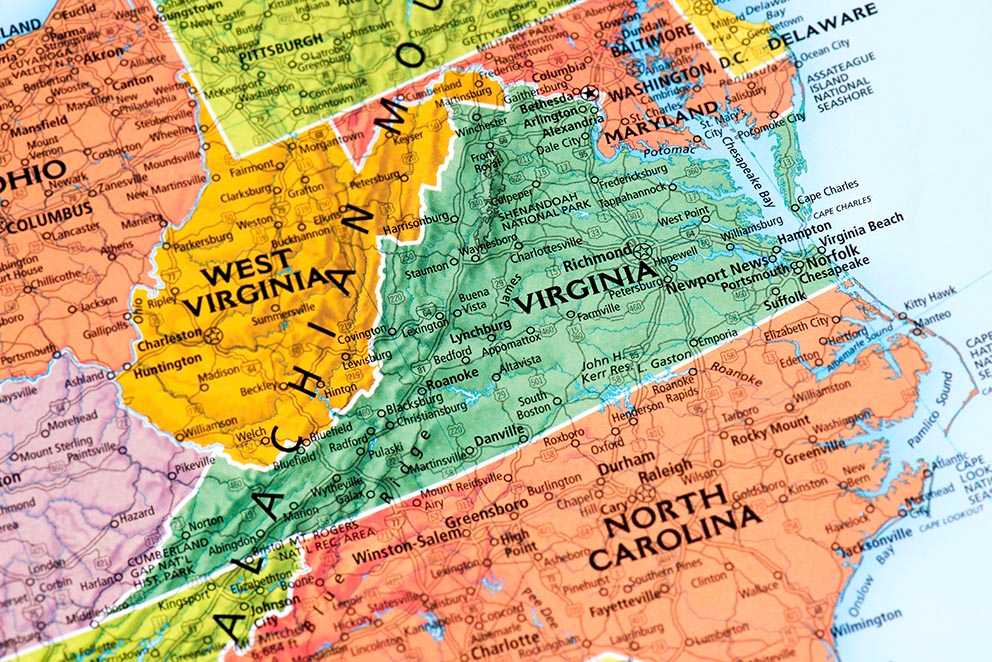
The coastal city of Chesapeake, Virginia is a treasure trove of historic and ecological wonders, like Virginia Civil War Trails and the Great Dismal Swamp. Part of the greater Hampton Roads metropolitan area, Chesapeake is the third most populated city in Virginia, with about 233,000 citizens. Due to its sprawling size of 341 square miles, however, it actually has one of the lowest urban population densities in the state. The overall average cost of living in Chesapeake VA is about 10 percent higher than the national average, and about 8 percent higher than Virginia's state average. Its increased cost of living is primarily due to housing costs, but about half of Chesapeake homes on the market are less than $300,000. Even better, some of its neighborhoods are among the state's fastest growing housing markets.

Source: en.wikipedia.org
Chesapeake's real estate options are diverse. Pricey waterfront homes that can run up to three million dollars contribute to the city's higher cost of living real estate rating. The median list price for a single-family home in Chesapeake is around $330,000, or $134 per square foot, while the median for condos and townhouses is about $192,000 at $124 per square foot. New home communities offer single-family homes starting in the upper 100s and ranging through the four and five hundreds in Hanbury Woods, Summer Park, and others. Citywide, there are about 30 condos and townhouses on the market for less than $100,000 and about the same number of single-family homes below that price point. Two- to four-bedroom condos are available in new housing communities, like King's Pointe and Reunion, in the mid-100s through upper 200s.
Chesapeake's effective real estate tax rate, which includes a mosquito control fee, is $1.05 per $100 of assessed value. The city offers a real estate tax relief program for seniors (over 65) and disabled persons who also meet ownership, income, and net worth criteria. Depending on income, the program can relieve 10 to 100 percent of real estate tax.
About 27 percent of Chesapeake residential properties are occupied by renters. Apartment rentals average $950 per month for one bedroom and just over $1,000 for two bedrooms. The most affordable rentals can be found in the Deep Creek and Indian River neighborhoods.
The cost of most utility services in Chesapeake is comparable to the national average. Heating and cooling costs are about eight percent higher, while the cost of other electrical use is around three percent lower. Internet services start at around $40 per month through Cox and $50 per month through Verizon. Cable services are available through Dish Network, starting at about $30 a month, and through Cox at around $60 per month. The city's water and sewer setup fee is $10, with a minimum bi-monthly water bill of about $43 and minimum bi-monthly sewer bill of about $21. Consumption of more than 4,488 gallons is billed at a rate of an additional $4.81 for water and $4.58 for sewer per 748 gallons.

Source: commons.wikimedia.org
Prices for most grocery items in Chesapeake trend lower than the national average. Milk, on average, runs about 18 percent lower, bread is 6 percent lower, and wine is nearly 15 percent lower, compared to national average prices. A few items, like potatoes and beer, do tend to cost more in Chesapeake. In 2015, the city had a total of 23 grocery stores, as well as 5 club stores and super centers. Major chain stores for groceries include low-price options like Food Lion, Walmart, and the discount chain Save-A-Lot. The city also has Harris Teeter, Farm Fresh, and some local and specialty grocers.

Source: en.wikipedia.org
For most neighborhoods in Chesapeake, a personal vehicle is recommended, especially for people who need to commute to work. About 91 percent of residents employed outside the home commute by car, while just three percent rely on public transportation. The city taxes vehicles at $4.08 per hundred of assessed value, but the state of Virginia offers a car tax relief program that reduces the tax cost on most personal vehicles. Hamptons Roads Transit services parts of the city, with bus fares at $1.75 per trip for adults. Multi-day passes are available, and half-fare discounts are offered to seniors over age 65, youth under age 17, Medicare cardholders, and persons with disabilities. Gas prices are usually slightly below the state average. The average commute time is about 24 minutes, with about 42 percent of residents working within the city.

Source: en.wikipedia.org
Chesapeake's earning potential demographics help to compensate for its slightly higher than average cost of living. The median household income of around $70,000 is 10 percent higher than the state median of $64,000 and quite a leap above the national median of $53,000. Chesapeake's unemployment rate of around 4.4 percent is noticeably lower than the national rate of six percent. Just 8.3 percent of its citizens live below the poverty line, compared to 11 percent for the state of Virginia and 15 percent for the nation. Compared to a northern Virginia city like Alexandria, where the cost of living is 42 percent higher than the national average and the median listing price for a single-family home is about $660,000, moving to Chesapeake would cut expenses significantly.