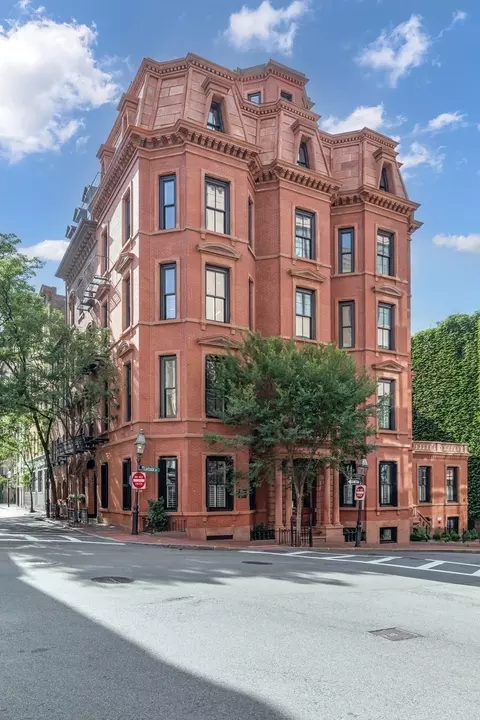
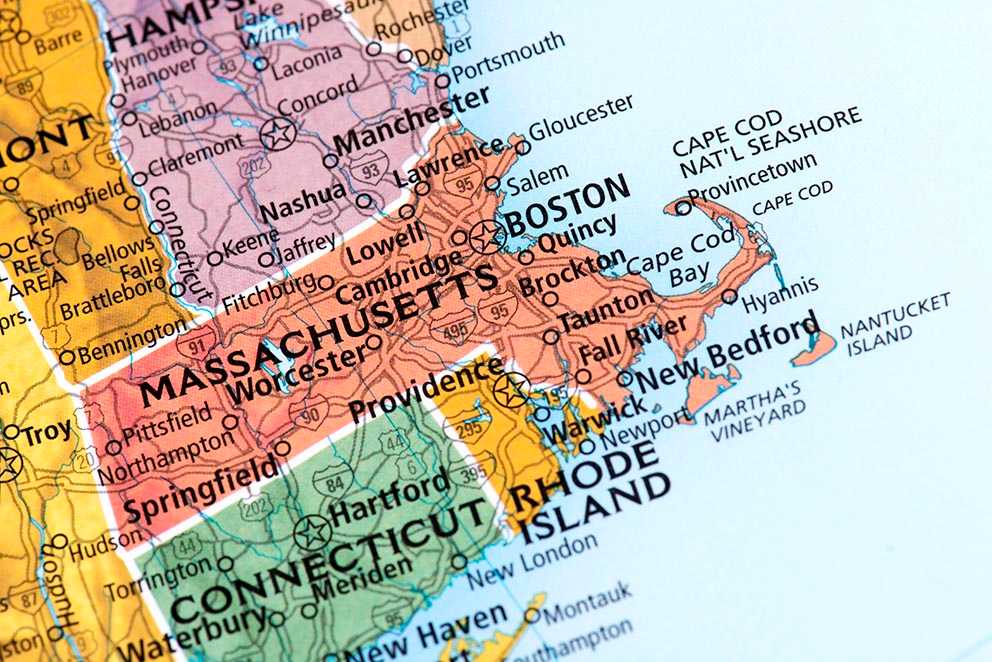
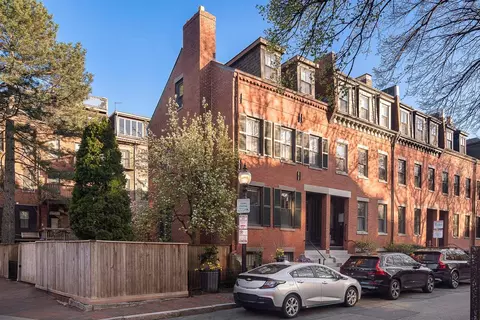
If you're moving to Boston from a smaller city where driving to your destination is a given, it can seem crazy to live life without a vehicle. But in cities like Boston, it can be far more economical to skip the parking fees and city traffic and stick with public transportation instead. The decision likely comes down to your lifestyle (do you plan to go out of town every weekend? Do you work regular business hours when public transportation is running?) and your location.
If you've decided to ditch your vehicle or are thinking about going car-less, be careful when deciding
where to live in Boston so you're sure to have easy access to public transportation. This guide should help.
Downtown

Source:nlytruecars.com
This probably goes without saying, but downtown Boston is one of the best neighborhoods to live without a vehicle. Prohibitively high parking costs and nearly nonexistent on-street parking make life a pain for those who do have vehicles. For those without, public transportation is readily accessible just about anywhere in downtown; you won't have to walk far to hit a bus stop, subway line, or commuter rail station. Downtown Boston is also incredibly friendly to walkers and bikers, so making your commute self-powered is often doable as well.
Back Bay
Most Bostonians consider
Back Bay a desirable neighborhood, and housing prices reflect its upscale, posh feel and undeniably attractive location between Charles River, Fenway Park, and Boston Common. That equates to even higher parking fees (many upwards of $400-500 per month for garage parking). Both green and orange subway lines pass through the Back Bay area, along with several bus and commuter rail lines that make it easy to hop downtown or to other central Boston areas and suburbs.
Fenway

Source:digitalelectronic.ga
Back Bay's next door neighbor, Fenway is, of course, best known for Fenway Park. You'll find Fenway incredibly walkable and accessible by public transport because of the high volume of visitors and tourists that carry fans to and from the Park on game day. Unfortunately, that accessibility comes with some tradeoffs; traffic on game day can be nightmarish, to the point that all public transportation is full and cabs are few and far between. Fenway residents carry Red Sox game schedules with them so they can plan travel time accordingly.
Jamaica Plain
A kitschy neighborhood as colorful as it sounds,
Jamaica Plain is just a hop on the commuter rail from downtown and many of Boston's main commercial districts. Jamaica Plain's brownstones, apartment buildings, and walk-ups don't normally have dedicated parking (if they do, it's usually at a premium) so commuting from JP to workplaces in many parts of Boston is more efficient than planning to live in the neighborhood and own your own vehicle.
North End

Source:getawaymavens.com
Boston's North End is (almost) universally recognized as one of the cutest Boston neighborhoods. Victorian-esqe brownstones, narrow cobblestone streets, and cannoli vendors blend American and Italian traditions to create a neighborhood feel you won't find anywhere else in the world. And because it's well within the reach of Boston's commuter rail and subway stations, it's a relatively easy commute. Just keep in mind that many of the narrow streets aren't passable by bus, so you might have to walk the nearest rail station to get to that public transport.
South End

Source:skyscrapercity.com
Largely designed by Charles Bullfinch, one of America's most respected architects in the mid-1800's, much of the South End's appeal is in its VIctorian design and captivating little parks nestled between bow-front, Victorian-style red brick row homes. Decorative wrought iron fences, fountains, and landscaped tree-lined streets give South End its own style; in fact, it's listed as the largest urban Victorian neighborhood in the U.S. on the National Register of Historic Places. Depending on where you work, your commute from the South End might be upwards of an hour--or significantly less--if you choose to live here without a car.
Beacon Hill
Beacon Hill is one of Boston's oldest neighborhoods and today it's home to some of Boston's wealthiest residents. As such, you'll find higher rent and property taxes than in much of the rest of the city. The neighborhood is incredibly walkable and serviced by plenty of public transportation. But keep in mind that Beacon Hill has that name for a reason. Steep roads and streets not found in the rest of the city can be a challenge for walkers and bikers.
These are just a few of the best Boston neighborhoods for those without vehicles. For an even better idea of where to live in Boston, you'll want to take into account your lifestyle preferences, the location of your work, and just how long a commute you're willing to tolerate. Not sure where to start? Talking to a real estate agent who knows the area like the back of his or her hand is a smart first step.
A qualified, reputable agent will listen to your needs and steer you toward the most promising properties, answering your questions along the way. That kind of help is priceless when you're moving to a new area. Feel free to
contact a Movoto agent today to get your home search started today!