Drop the “z.” There’s no “z.” What are you, a Californian?
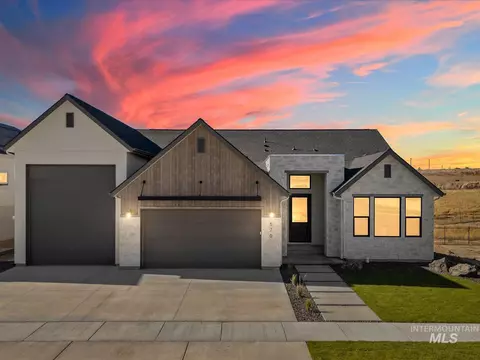
- $999,000
- 5Bd
- 4Ba
- 4,104 Sq Ft
New 1 Hour


You would never know by taking a look at the Boise Bench today that at one time it was an uninhabited, barren desert. The Idaho Statesman (1) reveals that it wasn't until the late 1800s that Boiseans claimed the bench from sagebrush and otherwise useless land with a canal, and soon homesteads, farms, dairies, and orchards were popping up along the rim and further back.
These days, over 5,500 people live on the Boise Bench, and it is home to the oldest cemetery in the city, a community theater, and a mix of residential neighborhoods that range from 1950s bungalows to newer construction. Touring the Bench, several words are sure to come to mind. A popular suburb in its early days, people are rediscovering the Boise Bench, and Boise State Public Radio declares it a current trendy and affordable option. With retail hubs and commercial segments scattered among the residential areas, plus its proximity to downtown Boise, almost every neighborhood on the Bench is conveniently close to shopping, restaurants, and businesses. Add those elements to the architectural diversity and historical and cultural aspects, and you get an area that is finally becoming recognized for the hidden gem it has always been.
The U.S. Census Bureau estimated the total population of Boise to be around 216,280 in 2014. That puts just two percent of Boise residents on the Boise Bench. While other, newer areas in the City of Trees have been more popular in the past, the affordability of homes of all sizes on the Bench is what has renewed interest in the area of the city that was once on the outskirts.
With around 20 schools on the Boise Bench including elementary, junior high, and high schools. It is an area where families feel comfortable living in. 55 percent of families with kids have children 6 years and under. 28 percent have children between the ages of 6 and 17, and 17 percent have children aged from newborns up to 17 years old. The median age range for adults is in the mid-30s. Approximately 20 percent of Bench residents are 25 to 34 with about 12 percent in the 35 to 44 age group and 11 percent making up the 45 to 54 group. Roughly 32 percent of the Bench population is married. Over 80 percent of people living on the Bench are Caucasian. Asians make up over 5 percent of the population on the Bench, and other races including Hispanics over 7 percent.
Most Boise Bench residents--over 66 percent--are salaried, and just over 9 percent are self-employed. Two average salaries range widely, however. Just over 25 percent of the Boise Bench population makes $10,000 to $25,000, and only slightly fewer (about 25 percent) earn $25,000 to $40,000.
The culture on the Boise Bench is a one of community and mixture of traditions. Some of the best ethnic restaurants and markets in the city can be found on the Bench. Ahavath Beth Israel, the Jewish Synagogue Wikipedia says is thought to be the oldest synagogue building in continuous use, is on the Bench. Constructed in 1896 and restored in 1980, Ahavath Beth Israel was actually moved to its current location on the Boise Bench in 2003.
The city of Boise's map shows seven parks on the Bench, beautiful idyllic places within walking distance of many of the Bench neighborhoods and the perfect spots to host Bench get-togethers. The Central Bench Neighborhood Association lists several events that take place throughout the year focused on strengthening the ties between neighbors and supporting Bench Pride. The Spring Festival is held every year on the Saturday before Easter, giving Boise Bench residents one of the first opportunities after winter to get together for food, drinks, kids crafts and an egg hunt and, generally, fun for all.
Bench residents also take part in the National Night Out each August. Of course food and drinks are available, but it is an evening that focuses on drug and crime prevention awareness and encouraging partnerships between the police and the community as well as promoting neighborhood spirit.
People living on the Boise Bench like to get together even in the winter. December is the designated month for the annual Chili Feed, giving neighbors a chance to connect during the busy holiday season and enjoy seasonal crafts, good company, and delicious chili.
The view from the Boise Bench is one of the things it is best known for. Not every house on the Bench can claim the sweeping outlook that the residents on the rim have of the beautiful Boise valley, but even ones located a bit back from the edge still enjoy the stately views that the Bench is known for. It is no surprise that people who move there are loathe to leave. The Bench was home to grocery magnate Joe Albertson well after he could have afforded to move elsewhere, according to "In Good Times and Bad, People Have to Eat," the book by Robert G. Waite about Albertson's life. Even in death, Joe didn't go far. Morris Hill Cemetery on the bench is his final resting place, and it is also where other famous Idahoans, including J.R. Simplot and Senator Frank Church are buried.
Aside from the view, the Boise Bench is recognized for its convenient, central location. People who live on the Bench can access the Greenbelt easily, and the shops, restaurants, and galleries in downtown Boise are just minutes away. Entertainment and events venues such as the Taco Bell Arena and Bronco Stadium are just as close and, with the Boise Airport located just across the interstate, even air travel is convenient when you live on the Boise Bench.