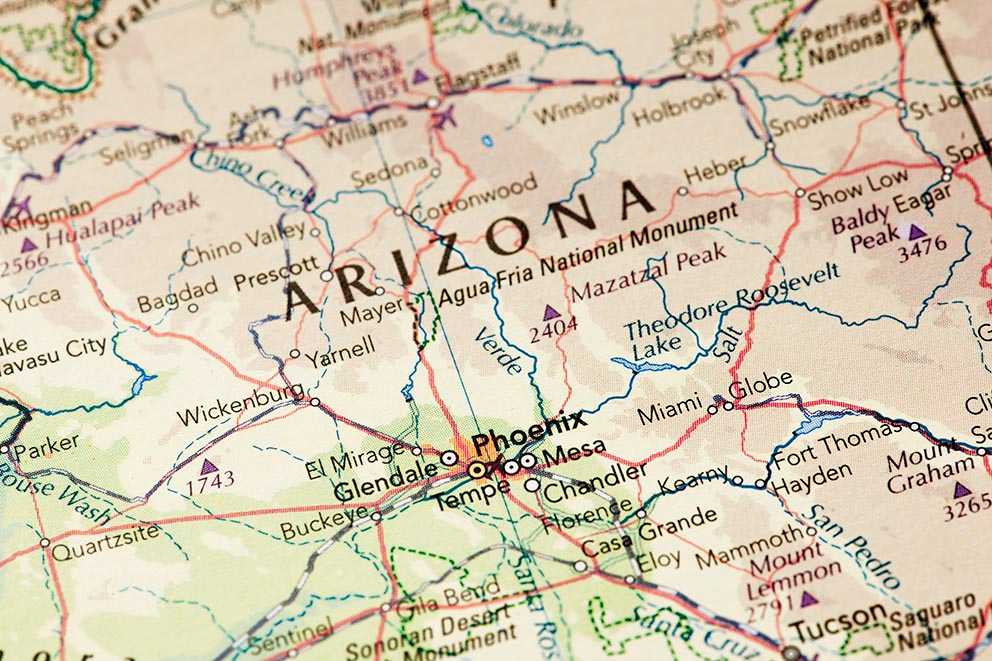
Some interesting facts about Arizona from its natural beauty to its man-made must-sees, that you must know before you move there.
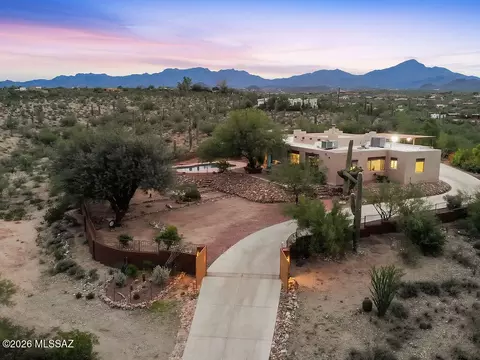
- $805,000
- 3Bd
- 3Ba
- 2,123 Sq Ft
New 54 Min


Arizona at a Glance
Arizona is beautiful desert country, home to some of our nation’s most iconic scenery. From the jaw-dropping wonder that is the Grand Canyon to the road-tripping legend known as Route 66, the state offers endless adventure. Outdoor enthusiasts will love hiking the Painted Desert or the Petrified Forest National Park, spelunking in Kartchner Caverns or Colossal Cave, or rafting the Colorado River. History buffs will delight in sites representing a wide range of epochs. The prehistoric legacy of Meteor Crater and Casa Malpais Archaeological Park, the rich indigenous culture represented by Tonto National Monument and the Old Pueblo Archaeology Center, and the Wild West heritage of Fort Bowie and the Copper Queen mines are among the state’s historic treasures.
Art galleries and museums abound, celebrating the state’s history, culture, and ecology. The Arizona-Sonora Desert Museum seeks to educate the public about the delicate and diverse ecosystem, while the Museum of Northern Arizona highlights Navajo and Hopi culture. Phoenix, both the state capital and Arizona’s largest city with nearly 1.5 million residents, is the hub of state's arts scene and home to the Phoenix Symphony Hall, the Phoenix Art Museum, and South Mountain Park.
Top Cities in Arizona
Why You’ll Love Living in Arizona
Historically, Arizona’s economy relied heavily on copper mining. While the state is still the nation’s top producer of copper, Arizona’s economy is considerably more diverse today. The trade and utilities sector employs the greatest number of people, followed closely by government jobs. While the health services sector represents the state’s third-largest industry, Banner Health is the state’s top private employer, providing jobs to nearly 40,000 people. Financial services, represented by Wells Fargo and Bank of America, employ another 27,000. Tourism is vital to the state’s economic health as well; the Grand Canyon alone draws more than five million visitors annually. Recent job growth in Arizona has slightly outpaced the national average, and projected growth for the next 10 years is expected to exceed 37 percent. The median household income for the state at about $50,000 is just under the national figure of $53,000. The state’s unemployment rate is nearly equal that of the nation.
Real estate analysts predict significant growth for the state’s housing markets in the near future, particularly from “boomerang buyers,” the people who lost homes to foreclosure at the height of the recession and are now eligible for a new mortgage. Millennials are also reaching the age at which most people buy their first home, so that population is expected to contribute to market growth as well. Phoenix expects to see more than 30,000 building permits for new, single-family homes within the next couple of years. Tuba City and Holbrook are among the state’s most affordable areas for housing with median list prices well under $100,000. Phoenix is quite affordable when compared with other metropolitan centers, with a median list price of $174,000. This figure is in line with the state median and about $10,000 lower than the national median. The overall cost of living in Arizona is two percent lower than the national average.