Dreaming of buying a home in Austin but can't seem to find one within your budget? Take a closer look at these five neighborhoods for hidden gems.
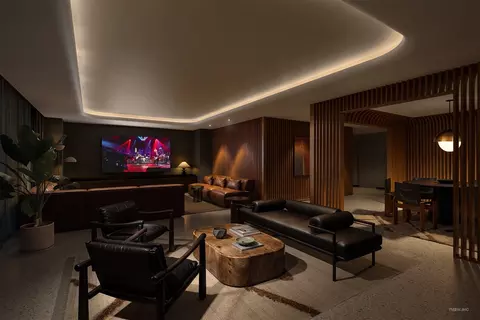
- $1,525,000
- 3Bd
- 3Ba
- 1,622 Sq Ft
New 24 Min


Round Rock is one of Austin’s fastest growing suburbs, attracting young families who love the city’s large, affordable homes and high quality of life. Round Rock’s steady growth is fueled by continued expansion as a major Austin-area employer base for residents north of the city, its stellar school district, and extensive suburban amenities. Like San Marcos to the south, Round Rock is coming it is own as a regional economic powerhouse. The city is home to Dell Corporate Headquarters, Round Rock Premium outlets, Sears Customer Care, TECO-Westinghouse, and the La Frontera commercial office business center. These businesses offer residents new opportunities to live and work within its boundaries, eliminating the need for long commutes to Austin. Round Rock real estate is some of the most popular in the greater Austin metro area.

Round Rock is located in Williamson County and part of the Austin-Round Rock-San Marcos metropolitan area. Round Rock has been home to humans since the late Ice Age, including Native Americans through the 18th century. Early European settlements followed Native American trails, including the “Double File Trail”, which today lives on as a modern, paved road through part of Round Rock. Early settlements formed along Brushy Creek. At the center of the creek lay a low, round rock, indicating where it was safest to cross the water. The crossing, dubbed “Round Rock”, ultimately became the city’s namesake. Thanks to Round Rock’s favorable location over rich, fertile blackland prairie soil, the city became a cotton hub in the early 1900's, with cattle ranching to the west.
Through the mid-1950’s, Round Rock remained a small town in comparison to nearby Taylor, which grew into a major economic powerhouse thanks to the location of multiple cotton gins and railroad lines through the town. Modern Round Rock owes a debt of existence largely to the construction of Interstate 35, which connected Austin with Dallas. Originally, planners intended for the highway to pass through Taylor, but local opposition to the road encroaching on farmland pushed the interstate development west to Round Rock. Today, Taylor is a quiet small town and Round Rock is a booming Austin suburb, thanks in part to the city's prime location on 1-35. After Round Rock became a major Austin bedroom community in the 1990’s, the city’s Chamber of Commerce began working to attract more businesses directly to Round Rock. Dell’s decision to move its headquarters to Round Rock helped spur a commercial development landslide.
The Round Rock Independent School District (RRISD) is a rapidly growing school district serving Round Rock’s families. It includes 34 elementary schools, 10 middle schools, six high schools, and two alternative learning schools. The district ranks among the best in the state according to Texas Education Agency.
Several of the district’s schools rate among the best in Austin. In 2015, Austin Monthly ranked Westwood High School ranked fifth out of the top 15 best public high schools in the Austin metro area. Canyon Vista Middle School at the top of Austin Monthly’s “40 Best Middle Schools” list; Walsh Middle School ranked third and Cedar Valley Middle School ranked seventh. Canyon Creek, Laurel Mountain and Spicewood elementary schools ranked second, third and fourth, respectively, on the “40 Best Elementary Schools” list.

Round Rock has more than 1700 acres of parkland and 15 miles of hiking/biking/walking trails, including 34 developed parks and a 1.85-acre leash-free dog park. Round Rock’s crown jewel is the 570-acre Old Settlers Park. The park’s bucolic rolling countryside is popular for local events and festivals. The city has two recreation centers with indoor basketball courts and an indoor swimming pool. Round Rock is continuing to link hike/bike trails segments to make it easier for residents to bike around town and increase urban connectivity.
Thanks to the city’s location on the edge of Hill Country, residents frequently head west on the weekends to take advantage of numerous hiking and camping opportunities in nearby state parks. Popular options include Inks Lake State Park, Colorado Bend State Park, Enchanted Rock State Natural Area, and Pedernales Falls State Park, all within a one to two hour drive from Round Rock.

Named America’s seventh best small city to live in by Money Magazine in 2008 (and the only Texas city to make the list), Round Rock has continued its pattern of steady growth over the last decade. Population increased by 12.8 percent between 2010 and 2014, with an estimated population of 112,744 residents in 2014. Round Rock’s growth is on par with its northern neighbors Pflugerville and Cedar Park, as well as San Marcos and Buda to the south.
Round Rock has actively courted major businesses to relocate to the city, keeping jobs local and expanding its economic base. Round Rock is also home to Ikea and the Round Rock Premium Outlets, popular shopping destinations for Austinites. In addition to expanding its commercial base through careful planning, the city is also growing it residential housing through smart planning. Popular master planned communities offer spacious homes, town homes are available at attractive price points, and older, single-family homes offer a great renovation value.
Expect steady growth in the coming years as the city's outdoor amenities, plentiful shopping opportunities, stellar school system, and high quality of life attract even more young families to Round Rock.