Don’t’ settle for less. These Albuquerque suburbs are the best of the best.
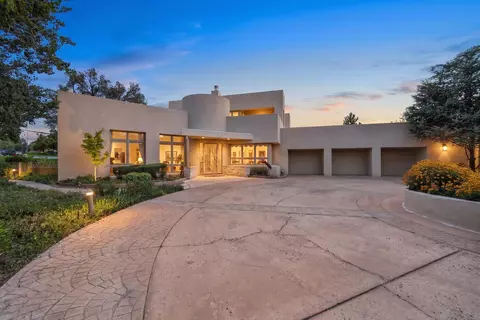
- $2,100,000
- 4Bd
- 5Ba
- 5,075 Sq Ft
New 5 Hours


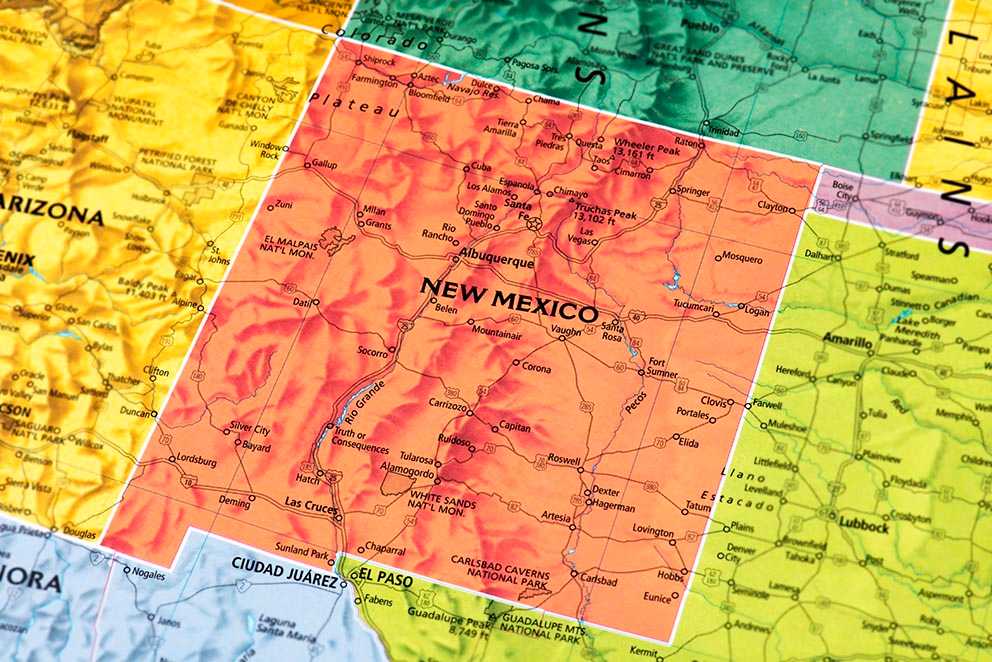
If you're looking to set up shop in the Albuquerque area but would rather not have to contend with the noise and pace of city-living, then you may want to start looking into Cedar Crest real estate.

Source:Flickr.com
A big draw for people who move to Cedar Crest: It's very easy to live healthy out here. Cedar Crest does have a few attractions for people who care about fitness, including a Jazzercise location, and you can find organic foods at the local Triangle Grocery market, but the Turquoise Trail is the real draw.
The Turquoise Trail is comprised of about fifteen thousand square miles, stretching all the way from Albuquerque to Santa Fe. If you ever want to take a weeklong hiking trip, the trail goes through old mining towns featuring art and music and museums devoted to local history. If you just want to take an afternoon walk, you can simply head out right from your backyard and see what you find.

Source:Flickr.com
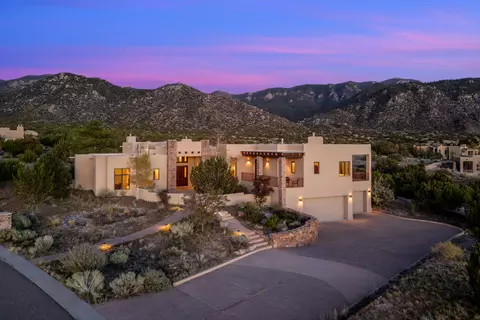
In Cedar Crest, you'll see mansions next door to ranch style villas and log cabins. There's a lot of diversity to the houses in Cedar Crest. The only thing that most of the homes in the area have in common would be spaciousness. If you're buying a home in Cedar Crest, you're probably buying some land to go along with it, so even those who move into prefab homes may wind up building several additions to their house until it's as luxurious as any other house in the area. The homes in Cedar Crest are an expression of the town's culture of individualism, every house unique to its owner.
Many Cedar Crest residents do a bit of homesteading, growing their own food and collecting electricity with solar panels. If you feel more comfortable in the cookie-cutter architecture of a planned community, then Cedar Crest might not be for you. Most of the homes in Cedar Crest were built between 1950 and 1989, at 69%. Another 40% are more modern, having been built after 1990, and there are 18 charming old homes in the area built before 1950, rounding out the last 1%.

Source:Flickr.com
Industry in Cedar Crest is as diverse as the town's housing market. The only major, singular industry in the areas would be education and health, comprising a total 25% of the area's jobs. Another 23% of jobs belong to the fairly broad "professional" sector, and beyond that you see a fairly even spread, with 6% of people working in arts and entertainment, 7% in manufacturing, 3% in transportation and warehousing and another 3% in public administration. The area has a relatively high rate of telecommuters, with 17% of people in Cedar Crest working from home. The town also boasts a very low unemployment rate at just 1%, or 19 people total.
This does bring us to one minor downside: Cedar Crest is a bit spread out and it's not the most walkable town in the state. You may walk a mile and find you've only passed by four or five houses. This means that if you don't work from home, you're probably going to need to drive to get to work. Many in Cedar Crest work in Albuquerque and have to make a bit of a commute, but the light traffic makes this morning drive easier than you might think.
Cedar Crest isn't for everyone. Some people need the faster pace, the busy surroundings of city life. Cedar Crest's age demographics skew middle-aged, with over half of Cedar Crest's residents being 40 years of age and older, simply because it's not what you might call an exciting little suburb. But for those who value a bit of peace and quiet, who would like to be closer to nature without sacrificing the conveniences of the city, you can't ask for a better little town in New Mexico than Cedar Crest.