Things you should know about Alabama before you move there for some tasty food, good music, sports and happening events.
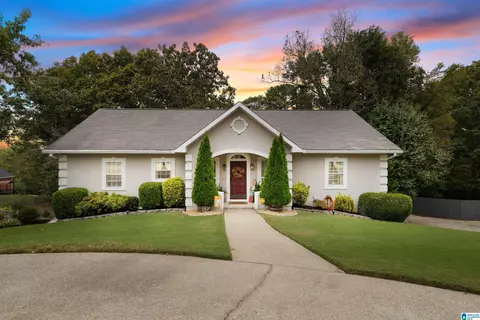
- $569,000
- 5Bd
- 3Ba
- 1,792 Sq Ft
New 10 Min


When looking for your dream home, location is often one of the most important things to look for. You want to make sure that a balance exists in your life when you move into a new city, where you can keep things separate without favoring one over the other. For those looking to move to a city in northern Alabama, it is best to know which ones provide the best work-life balance that will fit you.
There are a couple of things taken into account when calculating what cities are best. The quality of life each city has—that is, the cost of living, average income, and home prices—was compared and contrasted to the value of the city’s amenities, crime rates, employment rates, taxes, and commute. Most of the data came from the federal census data for the state and other government resources. Most of these cities are ones that we consider to be the best that the state has to offer, following most of the same criteria and data.

Source: wikimedia.org
While none of the cities on this list are ranked in any specific order, the city of Tuscaloosa does tend to rank pretty high up on most national lists, usually within the top ten spots. It is home to the University of Alabama, which allows the city to have a very diverse and successful economy and culture. The 2010 U.S. Federal Census estimated the city to have a growing population of around 90,468 people, not including any fluctuations caused by the University. The median income or earnings for a household came in around $32,274, with an average of about 33.1 hours worked per week. The city is quite stable in terms of economics, with higher education, manufacturing, and public service making the bulk of the labor force.
Daily life in Tuscaloosa provides multiple opportunities for non-work related activities. The city is almost 200 years old and is full of history and long-established traditions for residents. There are museums everywhere, with a large concentration near the University’s campus and the downtown area. Performing Arts centers are spread out as well, hosting multiple festivals and programs that appeal to multiple groups throughout the year. Tuscaloosa also has a huge draw for sports fans, as the city is home to the University of Alabama Crimson Tide football team, as well as other sports teams associated with the city and the university.

Source: wikimedia.org
Closer to the central part of the state, Alabaster is a suburban city associated with Birmingham. It has been growing in popularity in recent years, drawing attention from major financial and economic watchers like Money Magazine and Forbes. One of the smaller cities on this list, Alabaster has an estimated population of around 31,545 residents as of 2014. A whopping 83.3% of residents own their homes, with the median home value being $164,200, with renters paying about $889 a month. The average household income is around $70,173, with the unemployment rate coming to about 5.4% and is decreasing due to continuing job growth.
Alabaster has fewer amenities than some of the other cities on this list, with most attractions geared towards shopping and dining. The attractions the city has to offer are mostly nature-based, with multiple parks scattered throughout. The city is still growing and is competing with other nearby suburbs and the large city of Birmingham to the north, so new attractions are expected to be added.

Source: wikimedia.org
One of the northern-most cities on this list, Madison’s statistics rank pretty well. The census estimates its population at just under 50,000 residents as of July 2014. The average income for Madison residents is notably higher when compared to the rest of the state, with the median household income coming out to $92,965 from 2010-2014. Most of the homes in Madison are valued at around $231,700, with two-thirds of homes being occupied by the homeowners themselves. Only around six percent of the population is below the poverty line. For crime rates, Madison has an average rate of 2,329 crimes per 100,000 residents.
Economically and culturally, Madison does quite well. Business-wise, there are over 600 businesses located and based within the city-limits. Most of the businesses are retail and dining-based, with the notable exception of software company Intergraph, the city’s largest employer. The city gets a lot of out-of-town traffic, as Interstate 565 and US 72 go right through and the Huntsville International Airport is just a bit south of town. There are a lot of parks and galleries in addition to shopping in the city for residents to check out in their downtime.
Source: wikimedia.org
One of the safest places to live in the entire state, Pelham has a rather high quality of life. Out of a growing population of around 22,699 people, the average household income for residents is about $32,551 a year. Most homes are valued at about $168,200 for the 82.8% of homeowners. Rent can be a bit high, with most paying about $1,054 a month. Crime rates for Pelham are actually 49% lower than the rest of the state, which is a huge perk. However, the average commute is a bit of a downside, with most of the workforce taking about 28 minutes to get to work.
Another suburb of Birmingham, Pelham has a bit of competition economically and culturally. It does have some pull for those looking to escape the daily grind, with parks and recreation centers providing a relaxing atmosphere for residents and visitors alike. There are almost 3,000 businesses in the city that cater to residents, providing food, shopping, and entertainment to all.
Source: wikimedia.org
Florence is a huge economic hub for northwestern Alabama, with a residential population of 40,215 in 2014. It has been known to temporarily increase due to the large number of festivals the city hosts, most of them music-based. Residents had an average household income of $35,632 and an average home value of $119,200 in 2010-2014. Most live within the city limits and have an average commute of about 17 minutes to one of the 340 businesses that call Florence home.
The amount of amenities that Florence has is quite astonishing, seeing as the city only covers about 26 square miles. Parks, museums, art centers, restaurants, and shopping centers are a plenty and provide ample entertainment opportunities for residents to unwind from the stress of their daily lives. New events are developing every year, so things can become busy very quickly for residents.