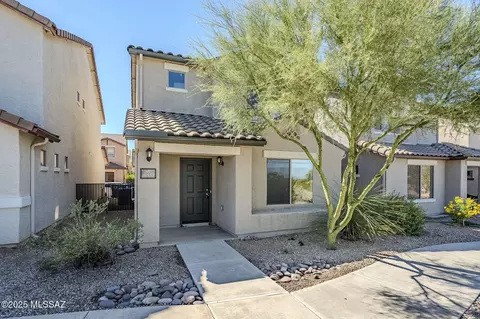
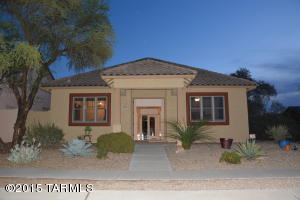
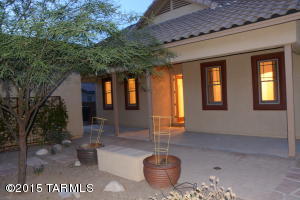
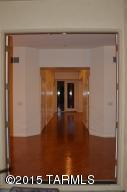
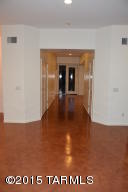
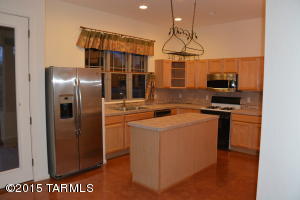
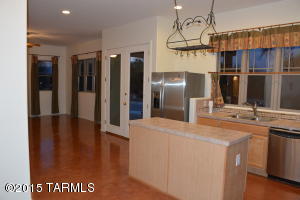
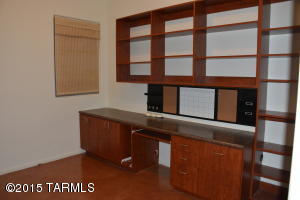
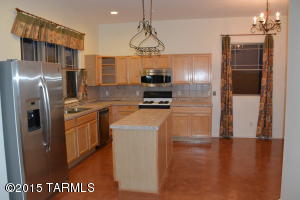
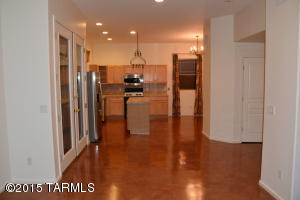
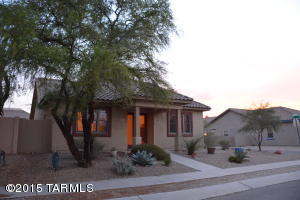
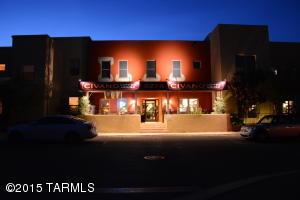
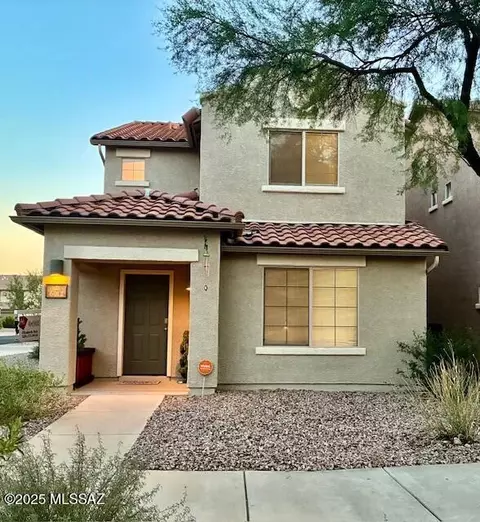
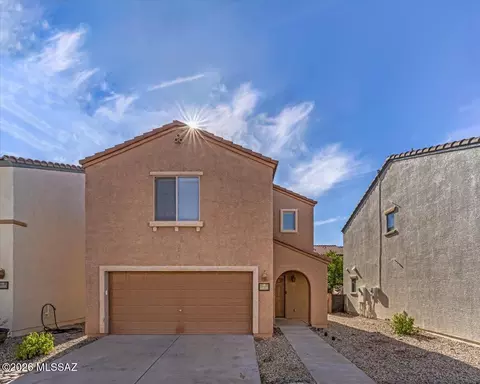
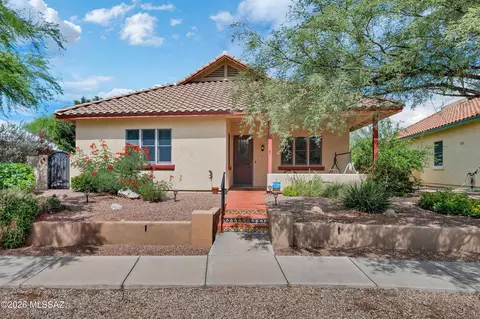
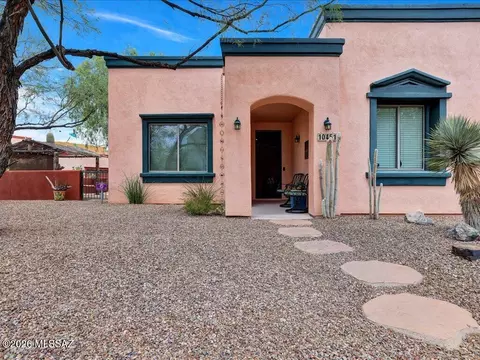
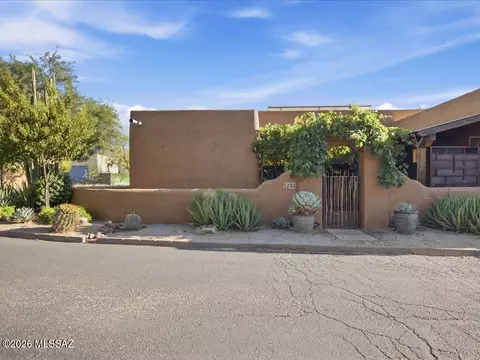
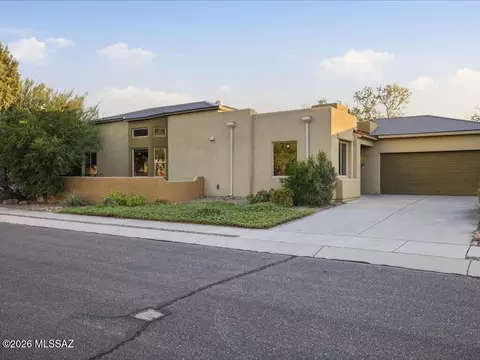
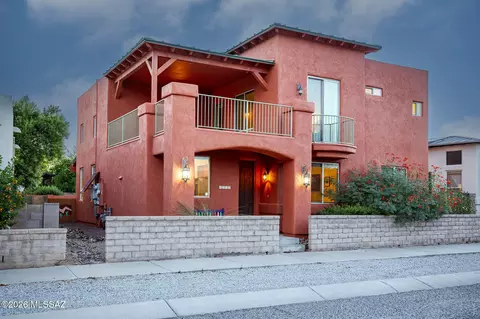
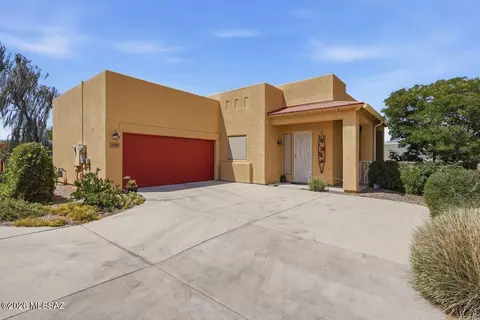
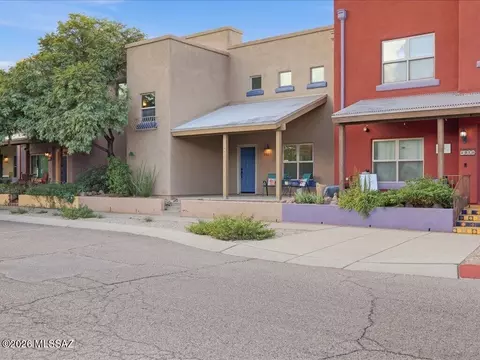
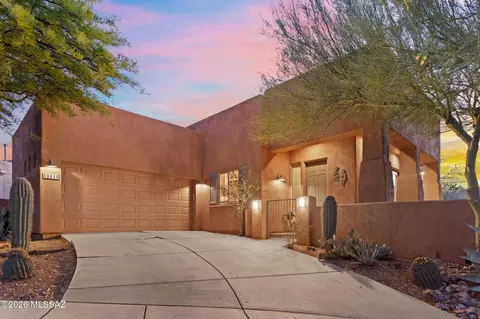
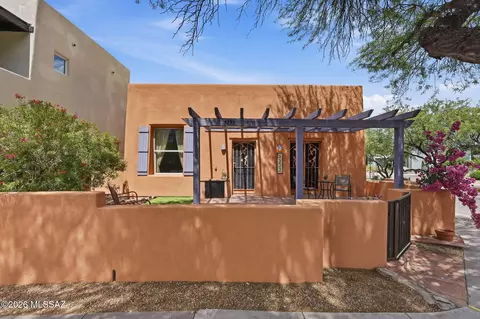
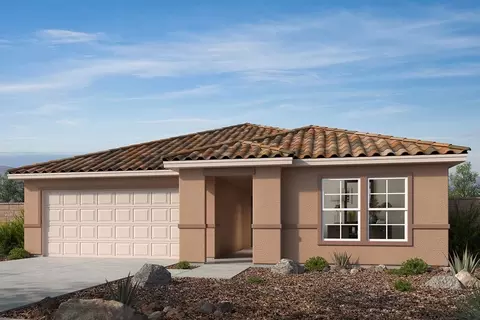
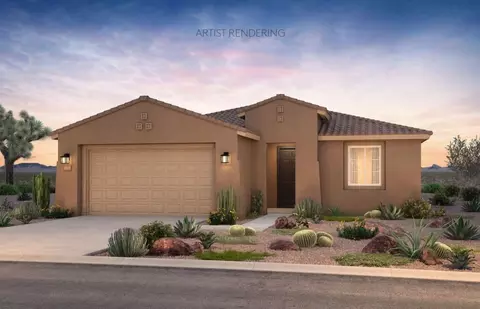
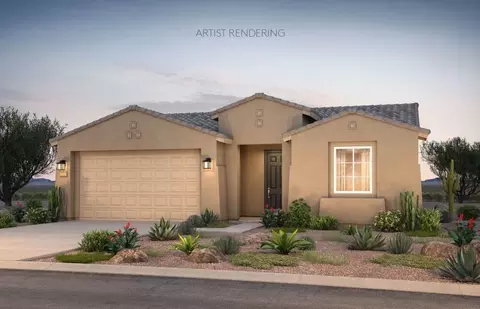
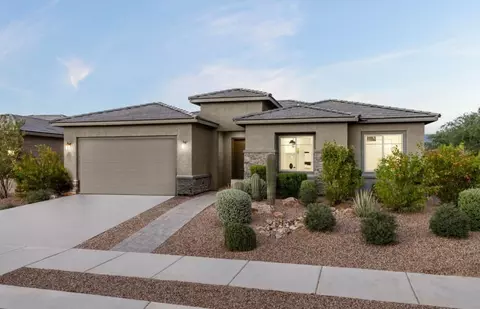
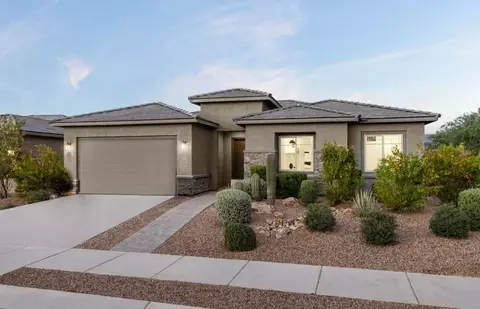
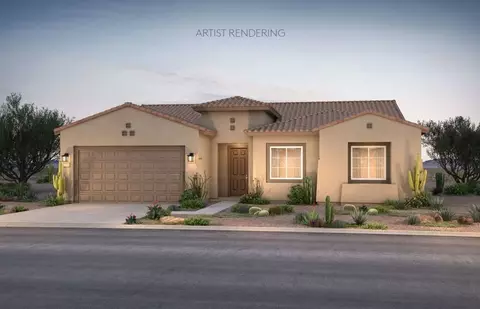
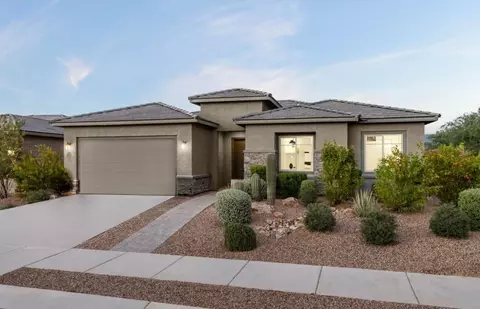
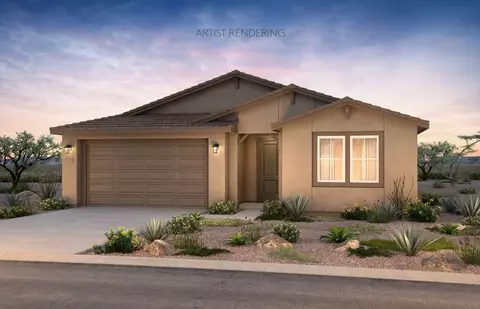
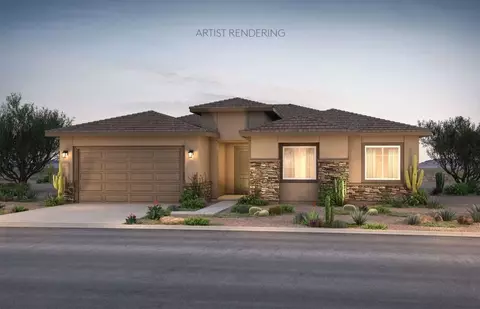
Civano is ''an antidote to urban sprawl's five banes: loss of community, loss of open space, traffic congestion, air pollution, and poor use of resources.'' A community ''with choices about how you want to live.'' This immaculate bungalow is located in the heart of Civano. Scored concrete flooring throughout. Bright & open floorplan. Chefs will love the kitchen w/ gas and island. Located in the center of the Civano the house is close to the pool, tennis, tot lot, community garden, Neighborhood Center & all of the lifestyle conveniences Civano provides like the mixed-use area offering coffee shop, massage therapist,acupuncturist,yoga,dance studio,hair salon,optometrist,and the world famous Civano Nursery. On Sun Tran bus route. Close to the “Loop” bike path & fantasy Island Bike The Community of Civano, located in the southeast part of Tucson, is, according to its planners, "an antidote to urban sprawl's five banes: loss of community, loss of open space, traffic congestion, air pollution, and poor use of resources." It is a community "with choices about how you want to live." Civano's planning integrates residential communities with shopping, workplace, school, and civic facilities essential to the daily life of the residents, as well as parks and natural open spaces vital for relaxation, enjoyment, and preservation of the area's natural landscape and heritage. Passive and active solar principles, sustainable building materials, and water conservation technologies are key elements across Civano. Every neighborhood will have gathering places such as coffee shops and small commercial enterprises. Most of these are within walking distance of each other, conserving resources and minimizing waste. Community History In 1981, Arizona's then Governor Bruce Babbit participated in a showcase of locally-built solar-powered homes. His comment to the builders, "This is great, what are you going to do next?" sparked a discussion that resulted in a vision for a new community that significantly reduces resource consumption and adverse environmental impacts compared with standard subdivisions. A decade later, the Arizona Solar Village Corporation was formed to sculpt that vision into what was originally called the Tucson Solar Village, known today as the community of Civano. "Civano" was the golden era of the Classical Phase of native Hohokam civilization, an era that balanced natural resources with human needs. The State Land Department committed 818 acres of undeveloped desert on the southeast side of Tucson to the project. In 1991, the City of Tucson approved rezoning of the land to be developed into the master-planned community. The rezoning stipulated aggressive resource conservation goals and performance requirements for the purchaser and developer. The Tucson City Council adopted an Integrated Method of Performance and Cost Tracking (IMPACT) System for Sustainable Development in early October 1995, clarifying the performance requirements.After several planning and marketing studies, the city sought out a master developer who would be interested in, and capable of, such an ambitious project. A joint venture called The Community of Civano presented the only bid of $2.7 million to purchase the land at an auction in July 1996. The city also agreed to support Civano with $3 million in infrastructure funding for water, sewer, and roads. The city's seed money was leveraged by a commitment of an additional $20 million by private funders, through the developer, for energy designs. Since 1996, the developer (originally David Case and Kevin Kelly) has worked with 27 consultants and universities to design a livable community for the 21 st Century. Civano's town plan evolved through a series of energetic and intense design charettes that drew upon community members just as it drew upon esteemed New Urbanists Andres Duany, Stefanos Polyzoides, and William McDonough. The actual cost to develop Civano, with its innovative energy and resource conservation technologies, is $20 million more than for a similarly sized, conventional master-planned community. Kevin Kelly, former president of Civano Development Company, notes that "The issues are many and complex. How do we create a sense of place where neighbors know one another? How do we tread lighter on the land and use our natural resources wisely? How do we begin to mitigate the land use patterns and zoning practices that brought us urban sprawl." His answer is Civano, "the first large-scale development in America which begins to address these challenges.""The ideas for Civano," he continues, "have been germinating in our city for more than fifteen years. The planning process for this project has been extensive and encouraging. Civano is a fundamentally new approach to community planning. The goals are to connect people to each other, and to their environment, instead of simply maximizing short-term profits by increasing building lot counts. All ’sustainable' planning principles require an analysis that incorporates the social, environmental, and economic impact of a development. "The result is a community that is pedestrian-friendly, with tree-lined walkways and gathering places, such as cafés, parks, and public plazas. Homes in Civano will use less potable water and offer the homebuyer active and passive solar choices. The nursery has salvaged 50 desert trees and plants for every acre developed. The builders will introduce consumers to environmentally healthier building products. The project has the latest fiber optic telecommunications infrastructure and structured wiring in homes. Most importantly, Civano's plan requires adherence to a strict energy and building code that will result in enough energy savings to prevent one billion pounds of carbon emissions from entering our atmosphere over the next two decades." Kelly concludes that "Civano is a combination of sound planning, good science, and artful imagination." And as one resident added, "The developer has stretched the canvas and now it's up to the residents and shopkeepers to apply the brush strokes." Civano's Sustainable Land Use The Community of Civano has adopted three tenets to help guide its land use, and indeed its overall physical, social, and economic development: Create a sense of place that fosters community and connects people to one another and their natural environments. Tread lighter on the land through innovative design. Introduce sustainable construction materials and new technologies to advance the quality of life. Civano's land use is based on "a new vision of community balancing human needs and natural resources," according to marketing materials. "Imagine charming tree-lined streets showcasing energy-efficient homes designed for optimum indoor-outdoor living in the unique Sonoran Desert environment. Relax with friends at your neighborhood café. Enjoy a concert or art show in the nearby park. Stroll through the greenbelts that link the homes to the activity centers. Get acquainted with your neighbors and recapture the traditional home town spirit once embodied in the heart and soul of America. A brand-new kind of community is being built intermingling homes, workplace, recreation, and schools that will foster an 'old town' feeling while showcasing state of the art solar and fiber optic technologies." Town planner Wayne Moody further notes that "the Civano principles balance economic, social, and environmental issues. With 30 percent of the 1,145-acre site preserved as natural Sonoran desert, the master plan anticipates approximately 2,600 homes, plus one million square feet of commercial space." The First Neighborhood According to Stefanos Polyzoides, one of Civano's New Urbanist designers, "Civano represents for New Urbanism one of the first projects where community-building initiatives, which focus on anti-sprawl, are being carried out in tandem with an environmentally ambitious design program. The overlap of social and environmental ideals that are the hallmark of Civano can be best isolated and understood in the design of its neighborhood center," he continues."On the social side, the building occupies the focal point of the first neighborhood, within walking distance from all 600 households living there. In its form, particularly the kiva-inspired cylinder and enclosed courtyard, it provides a place for the citizens of Civano to live in public. The neighborhood center mix of uses and activities, such as corporate offices, a café, art gallery, other retail stores, and a meeting hall, invites diverse groups of people to occupy it throughout the day. By using various building materials-adobe, RASTRA block, wood frame, and straw bale-it provides a clear menu of possibilities for building in a desert climate. The passive and active solar elements, which take into account sun, wind, and shade, help maximize building efficiency and work with the natural environment. The architectural style employed is based on traditional building types. Openings and wall materials are designed relative to their exposure to the sun, thereby lessening dependence on mechanical heating and cooling." .... I am only allowed 10,000 characters. to read the rest of this article on Civano look at http://www.terrain.org/unsprawl/5/ The grand opening of Civano's first neighborhood was held April 16, 1999. At the core of the neighborhood is the one-acre neighborhood center, including a bakery, Welcome and Education Center, conference center, and landscaped plaza with cool tower all constructed with a variety of alternative building materials that incorporate solar energy and water conservation systems, that Polyzoides describes. The neighborhood also features a recreation center with tennis, swimming, ramada, and other facilities; as well as a community garden and learning center. Simmons B. Buntin is the founder and editor-in-chief of Terrain.org: A Journal of the Built & Natural Environments. With Ken Pirie, he is the author of the new book Unsprawl: Remixing Spaces as Places (Planetizen Press, 2013). His books of poetry are Riverfall (2005) and Bloom (2010), both published by Ireland's Salmon Poetry. Recent work has appeared in North American Review, ISLE, Versal, Orion, Hawk & Handsaw, High Desert Journal, and Kyoto Journal. Catch up with him at www.SimmonsBuntin.com.
View more