West Virginia might not be known as a culinary mecca, but these restaurants build some of the best flavors around.
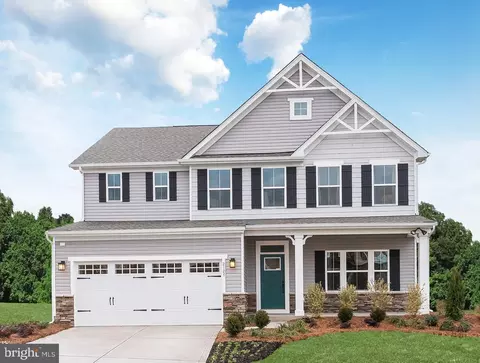
- $484,990
- 4Bd
- 3Ba
- 3,010 Sq Ft
New 4 Hours


West Virginia at a Glance
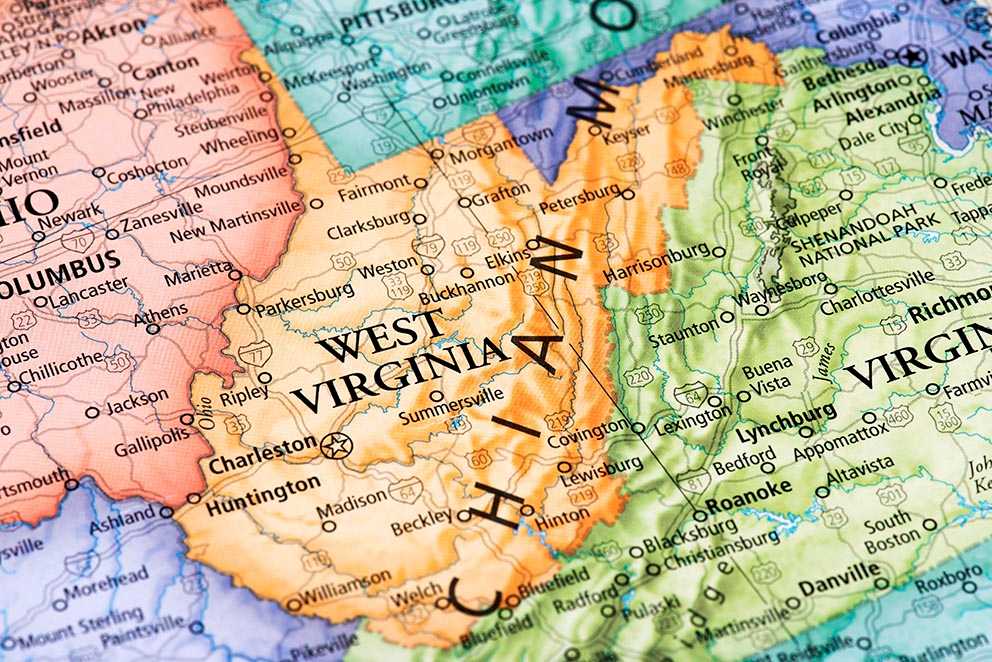
West Virginia broke away from its parent state of Virginia in 1861, and this spirit of independence has been the Mountain State’s defining feature ever since. Though much of the state is rural, it has several sizable metropolitan centers. Its most populous city is the state capital, Charleston, home to about 52,000 residents. Charleston is a hotbed of local color, featuring the Culture Center, the Capitol Market, and the Clay Center for the Arts and Sciences. Huntington, the state’s second-largest city, is famed for its historic district, while Morgantown is home to West Virginia University. Parkersburg and Wheeling are the state’s two other cities with populations exceeding 20,000. The overall population of the state is about 1.85 million. Thanks to its distinctive shape, West Virginia borders Virginia, Ohio, Kentucky, Pennsylvania, and Maryland.
Top Cities in West Virginia
Why You’ll Love Living in West Virginia
West Virginia is steeped in history, from the Iroquois tribes that populated the Ohio Valley to its legacy as a major coal-producing region. Its mountainous terrain kept it mostly isolated from the rest of the nation until the advent of modern transportation, and as a result, it has a distinct Appalachian culture that belongs neither to the North nor the South. Tourism is a significant job sector, employing about 44,000 people throughout the state. The state slogan is “Wild, Wonderful West Virginia” with good reason. Outdoor enthusiasts flock to its mountains and rivers throughout the year to take advantage of boundless wilderness adventures. West Virginia is famed for its whitewater rapids, especially in the Gauley River. It is also home to several large ski resorts, including Snowshoe and Winterplace. Caving, fishing, hiking, and hunting are common pastimes as well. West Virginia is also a popular destination for golfers, gamblers, and mountain music fans. Other top employment sectors are chemical manufacturing, which makes up nearly half of the state’s GDP, as well as biotech, research and development, and energy. Coal was once the backbone of the economy, but has declined significantly in recent years. However, West Virginia is exploring alternative energy solutions, including wind farms, hydroelectric, and geothermal.
More than 50 percent of West Virginia’s population is rural, keeping overall home prices and other expenses low. The state’s cost of living is quite affordable at 10 percent below the national average, and the median home price for the state is $97,000. While that figure is significantly higher in urban areas, it is still well below the national median. For example, the median list price for a home in Charleston is $142,000, compared with $181,000 for the nation. In Huntington, the median home price is below the state figure at about $86,000. The home ownership rate for the state, at 62 percent, is about five points higher than the national average. Real estate appreciation rates in West Virginia have seen a general upward trend over the last 10 years. Some of the most significant growth has occurred in the state’s southern region, particularly in Matoaka, Davy, and Coal City.