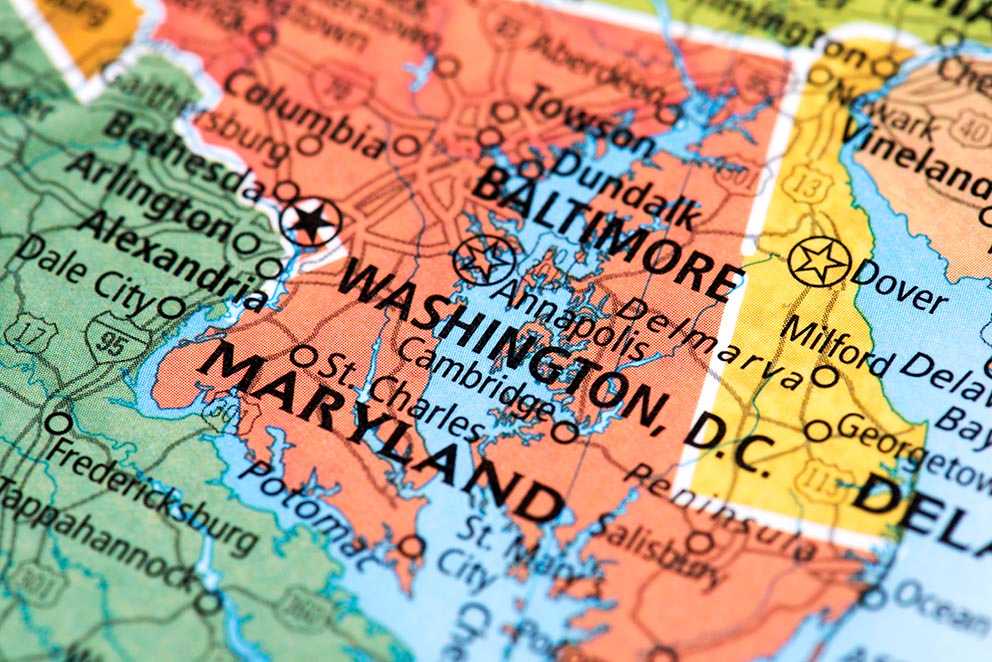
New to the DC Metropolitan area and need help deciding which suburb is right for you? Then check out this helpful guide!
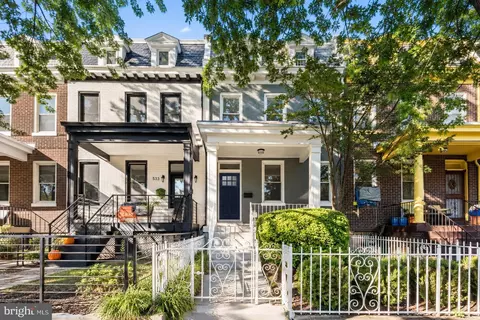
- $1,375,000
- 2Bd
- 2Ba
- 1,512 Sq Ft
New 48 Min


Tucked away between a bend of the Potomac River and the Capital Beltway, you'll find Potomac, MD. This town sits roughly northeast of Washington DC, but it's just as much a part of the city's culture as closer locales, like Bethesda and Chevy Chase. Potomac, MD real estate sets regional trends by being extremely posh, and it commonly varies to match the tastes of its original owners. While there are plenty of examples of inspired modernist buildings to be had, the majority of what you'll see favors Colonial and Revivalist styles, complete with shuttered windows, Victorian turrets, and columned porticos.

This census-designated place, or CDP, centers around a shopping center at Potomac Village, but things weren't always that way. The area was once a hamlet in the middle of farms, wilderness, and Native American land, and its history of continuous inhabitation predates the colonies. Although it didn't pick up the name Potomac until the early 1880s, its growth was steady even through events like the Revolutionary War and the Civil War.
The 20th century saw many of the original farms and old historical structures in Potomac give way to modern conveniences. This mirrored the contemporary housing booms in nearby Virginia and other parts of Montgomery County, Maryland. Unlike McLean, Bethesda, or Silver Spring, however, most of the development in Potomac was performed on behalf of private landowners. To this day, less than 13 percent of the 16,093 occupied homes are lived in by renters.
The 87 percent of remaining homes that are occupied by their owners make great use of Potomac's wide-open spaces. More than 72 percent of the homes have at least four bedrooms, and extensive square footage is common. A median house size of almost 6,000 square feet nearly doubles what you'd encounter in nearby Bethesda, even though the two areas were originally cut from the same agrarian cloth.
Interestingly, the area's long history isn't entirely buried under recent developments or urban sprawl like in some places. For instance, you can travel just a few minutes down the road to Glen Echo to see a functioning, turn-of-the century Chautauqua-come-amusement park. This lively venue still hosts classes, performances, nature education, theater shows, and dances whose annual attendees number in the tens of thousands.
Although most of the farms that used to make up the CDP have been converted to homes, parks, or golf courses, you're still close enough to rural areas to enjoy the unspoiled lifestyle. Nearby Loudoun and Frederick, for instance, are home to multiple farms, and many growers put in regular appearances at Potomac Village's own Farmers Market. This area is also known for its love of community-supported agriculture, and CSAs are awesome places to find locally-sourced, eco-conscious, organic, free-range, and natural produce and animal products.
Farms and CSAs aren't the only regional highlights that make it easy to stay healthy. The Chesapeake and Ohio Canal system was once a driving force in the early nation's westward expansion, but today, you're more likely to encounter kayakers than cargo-laden barges. Most of the large boats that travel these waters today are filled with tourists who want to experience what it's like to pass through one of the old locks, and it's just as much fun to explore from the craggy shore. This park system is well-maintained, so there are plenty of trails for jogging, hiking, and cycling. You can even try your hand at rock climbing in nearby Carderock or go horseback riding in Great Falls. Sure, the DC Metro Area is awash with gyms and fitness centers, but when you're this close to nature, it'd be a shame not to enjoy it.
As you might expect from a region so close to DC, government workers account for 21.1 percent of the workforce. Potomac also maintains a healthy entrepreneurial culture where just under 9 percent of people are self-employed in their own businesses.
Potomac has one of the country's highest median incomes at $181,385. Most people can expect about a 32-minute journey to work, but at the high salaries they draw, few mind the daily inconvenience. Of course, Potomac's naturalistic layout does mean that those who live in the heart of the CDP typically work at its edges or in its nearby neighbors. The fact that there are so many government institutions and private companies just outside the nation's capital makes the grind a bit easier to stomach.

Potomac, MD real estate is a study in varied architecture. In addition to the classic Georgian and Idealist Colonials that keep with the plantation-era thinking of the region's early architects, there are countless examples of modernity that clearly draw inspiration from minimalism and Prairie styles. Unlike many other parts of the country, the homes here are mostly designed to custom specifications, and less than 6 percent of residences predate the 1960s. It's not uncommon to encounter something completely novel.
This is an exclusive part of the Washington DC metropolitan region, and its homes are highly coveted among buyers. Median listing prices around $1.5 million and high local incomes attract those who are accustomed to the finer things in life. With its large square footage, access to local history, and proximity to great jobs, Potomac, MD real estate doesn't disappoint.