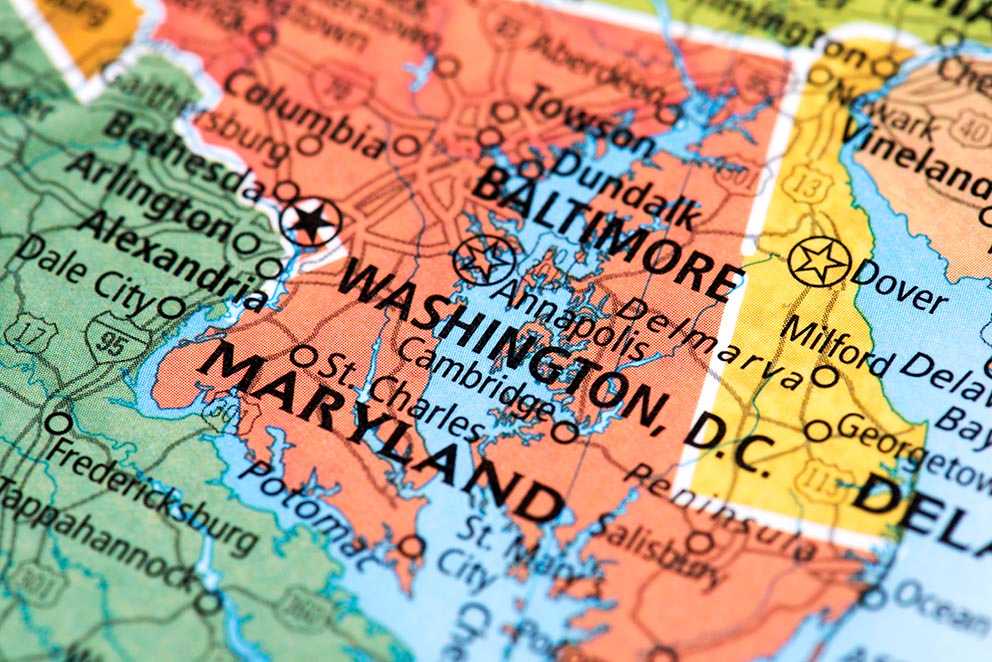
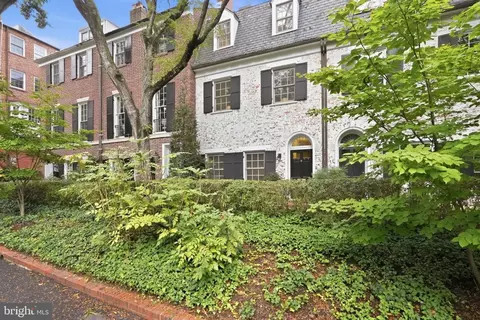
New to the DC Metropolitan area and need help deciding which suburb is right for you? Then check out this helpful guide!
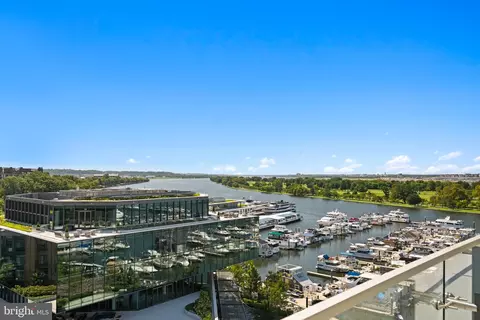
- $3,199,999
- 3Bd
- 4Ba
- 1,840 Sq Ft


The city-county of Arlington, VA is just a 30-minute Metro ride from downtown Washington, DC. Though the city was once associated with Civil War history, it now looks toward the future. It has become one of the most cutting-edge economic powerhouses on the East Coast. Due to its proximity to the nation’s capital, government employees make up a large percentage of its workforce. The Departments of Defense, Justice, and State are among the city’s ten biggest employers. Other major employers include the professional services firm Deloitte, management consulting services company Accenture, and the Virginia Hospital Center.

Source:commons.wikimedia.org
Arlington’s 2014 estimated population is nearly 227,000 residents – about three percent of the state’s total population. This represents a 9.3 percent increase over 2010, significantly higher than the state’s overall increase of 4.1 percent. This is in keeping with the general trend of Northern Virginia being the state’s fastest-growing region. Less than 10 percent of the population is age 65 or older.
Arlington is not quite as racially diverse as some other large Virginia cities, with about 63 percent of residents identifying as White only. About 9 percent identify as Black or African American, 10 percent as Asian, and nearly 16 percent as Hispanic or Latino. Less than one percent of residents identify as American Indian or Native Hawaiian, and just over three percent identify as two or more races. Among Arlington residents, 23 percent were born outside of the United States, and 29 percent primarily speak a language other than English at home.

Source:en.wikipedia.org
Arlington prides itself on attracting millennials – generally defined as those born between 1980 and 2000 – and Arlington Economic Development describes the city as “young, hip, and hungry.” The website Planetizen reported in 2015 that Arlington had outpaced cities like Austin and Portland with the highest concentration of millennials in the country. The report named Arlington “Millennial Town USA.” Millennials are attractive to employers, who view them as highly educated and tech-savvy, so the city is seeking ways to maintain its millennial appeal. The millennial boom has dropped the city’s median age from about 36 to about 34 since 2000. Arlington’s culture reflects this shift, with a growing spate of yoga studios, wine bars, and ethnic restaurants. Its Crystal City district is a hub of culture, shopping, and dining.
For quality of life, Arlington consistently ranks high on all metrics except affordability, though, its high cost of living is offset by higher-than-average wages. Arlington ranks as one of the wealthiest localities in the state. Its 2013 per capita income of $62,000 was nearly double the state average of $33,000. The median household income is $103,000, compared with Virginia’s average of $64,000.
Because of the high military and government employee presence in the city, Arlington’s home ownership rate is much lower than that of the rest of the state; just 45 percent of Arlington residents own a home, while the overall state average is 67 percent. However, among homeowners, the median home value of $585,000 (2013 estimate) is more than double the state average of $245,000. Movoto’s listings indicate a median single-family home size of 3,900 square feet.
Education rates are high, with more than 93 percent of adults having graduated high school and 72 percent holding a bachelor’s degree or higher. Overall, Arlington’s public schools receive a seven out of 10 rating by school ranking website Great Schools. Several of its schools, including Jamestown, Nottingham, and Tuckahoe Elementary Schools, hold a coveted 10 out of 10 score.
Crime rates in Arlington are quite low and mostly non-violent. According to 2014 data, the Arlington VA crime rate was 56 percent lower than the national average, and Arlington is safer than nearly two-thirds of US cities. Property crime, such as theft, outnumbered violent crime by almost 10 to one.
Arlington’s cost of living is about 56 percent higher than the national average and 45 percent higher than the state average. This is primarily due to housing cost, which is a whopping 179 percent higher than the US average. However, other cost of living metrics, including utilities, health care, and goods and services are slightly below the national average.

Source:commons.wikimedia.org
Arlington VA is best known as a pinnacle of business and economy. It has received dozens of state and national awards and accolades. In number one ranking positions alone, it has been awarded: Best City of Black Entrepreneurs by GoodCall, 2015; Best Post-College Town by USA Today, 2014; Best City for Young Entrepreneurs by NerdWallet, 2014; 20 Best Cities for 20-Somethings by NerdWallet, 2014; and Coolest City in the US by Forbes, 2014. Arlington businesses have received numerous national awards as well. Four Arlington-based employers were named Best Places to Work by the Washington Business Journal in 2012. Five of the city’s businesses were 2012 Fantastic 50 winners, and five are listed on the Inc.com 500.