If you think Chicago was the first city to “bear down,” Tucsonans have something to tell you.
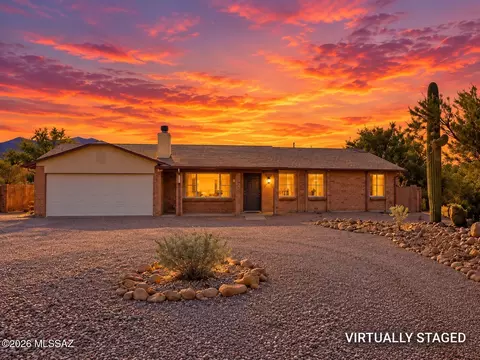
- $559,000
- 4Bd
- 2Ba
- 1,862 Sq Ft
New 6 Min


Downtown Tucson is an extremely livable downtown area. Amazing year-round weather, a low cost of living and a slew of local amenities all make Downtown Tucson a highly desirable location for all types of home-buyers. Tucson is largely known for being home to the University of Arizona. This creates an environment of educated residents, with 34.3% of residents having an advanced degree. Compared to American average of 8.4%, this represents a high concentration of educated people. The downtown area features a unique history and is home to a one of a kind vibe focused on freedom, artistic expression and music. With an average real estate list price of $427,558, it’s an attractive real estate market for many home buyers. The inventory is more unique and diverse than many other neighborhoods in America thanks to Tucson’s interesting history.
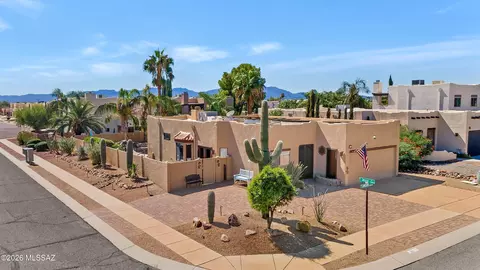
The Tucson area has been home to people for more than 4,000 years. In fact, it’s one of the oldest continually occupied locations in the entire country. The name Tucson comes from a Jesuit mission founded by Father Francisco Eusebio Kino, who named his mission Chuckshon. The Spanish started pronouncing it as Tucson. Tucson became a part of the United States in 1853 with The Gadsden Purchase. However, it was still a rough community on the frontier of the Wild West. The Southern Pacific Railroad arrived in 1880, which helped elevate Tucson from a small town into a growing metropolis. This was growth was further enhanced when Tucson become the home of the first university in the territory in 1885, the University of Arizona. Nothing invigorated growth in Tucson as much as the invention of air conditioning. Within a decade of its invention, Tucson grew by a factor of five. As the city has grown and evolved, the downtown area has remained a renowned hotspot of the arts and culture. An ongoing effort has been in motion to keep Downtown Tucson vibrant and worthy of its education. Many of the real estate properties located throughout Downtown Tucson feature a blend of architecture styles inspired by Mexican adobe structures, along with construction from the 1940s-1970s. The outskirts of the official Downtown area start showing more modern architectural styles. Of course, there are many renovated properties throughout the area that strive to maintain their historical significance while incorporating modern design elements.
Visit Tucson describes Downtown Tucson as, “a haven for free thinkers and the free at heart.” With new restaurants, shops and bars opening in pristinely maintained historic buildings, the vibe of Downtown Tucson nurtures a close community that blends modern and vintage into an authentic environment. The architecture of Downtown Tucson is composed of 1840’s Mexican adobes and 20th-century theaters. Many of the local businesses are housed in historic buildings that are preciously maintained. Compared with the “cookie-cutter” franchises that occupy many downtown areas throughout the country, this is something that attracts many would-be home buyers. The Sun Link Tucson Streetcar, which was launched in July 2014, connects the five major districts of central Tucson: Downtown Tucson, 4th Avenue, the University of Arizona, Main Gate Square and Mercado San Agustin. This ease of transportation helps keep all five districts active and thriving. Each of these districts has a unique history and culture.
One major appeal of Downtown Tucson are the many excellent dining options. Some of the most highly sought after and well known places to eat are:
In addition to the above options, there are dozens of other notable establishments to explore. Both visitors and residents enjoy the variety available in the downtown area. Tucson has a long history of Native American, Mexican and Spanish influence, creating authentic dining options throughout the metropolitan area.
Living in Downtown Tucson provides you with plenty of ways to spend your free time. Unlike many other city centers that are in the center of a dense metropolis, Downtown Tucson isn’t far from outdoor experiences with plenty of room to hike and explore. There are opportunities for hiking, horseback riding, rock climbing and even bird watching. In fact, Southern Arizona is something of a hot spot for bird watching, being home to over 250 species of birds.