If you think Chicago was the first city to “bear down,” Tucsonans have something to tell you.
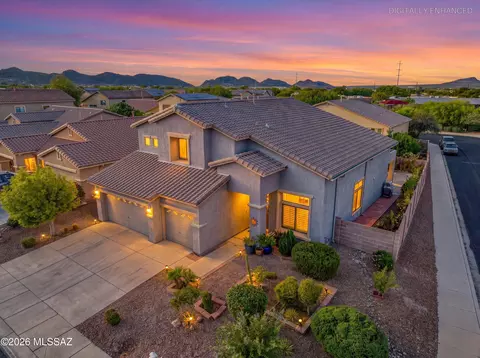
- $474,900
- 5Bd
- 3Ba
- 2,783 Sq Ft
New 2 Hours


Catalina is not a town or city. Rather, it is a census-designated place according to the government. The Pima County region is home to about 7,025 people as of the year 2000, and the population is steadily increasing. Still, the 14-square mile community finds ways to remain rural and unincorporated. There are currently no plans to annex the city to make it part of another city. If you are thinking about moving to Catalina, you should consider the vibe first.

Catalina is a community home to about 2,567 households, less than 2,000 of which are considered families. This means that about 26 percent of the households are not families, and about 61 percent are married. The majority of homes in the community consist of married couples who live together. The average household size is three people each. The population density of the town is about 507 people per square mile, which is quite low.
Catalina's racial makeup is about 85 percent White, 2 percent Black, and about 12 percent other races. Approximately 24 percent of the population is considered Latino, regardless of race. Additionally, about 28 percent of the population is under the age of 18. On the other hand, the median age of residents in Catalina is about 45. This is higher than the median for the state of Arizona.
There is more to this rural community than meets the eye. In fact, much of Catalina's history is related to Golder Ranch. The region gained its prominence when a man named Lloyd Golder III moved his family to the area from Illinois in the 1950s, purchasing thousands of acres of land in the process. Lloyd died in 2013, but the ranch still exists today. You cannot learn about the history of Catalina without hearing about its founding.
Catalina's culture is largely rural, as the area sits just at the foothills of the Catalina Mountains. This means that outdoor recreation prevails. The public land surrounding the area includes springs with cool, fresh water. With the Catalina State Park and Coronado National Forest nearby, hiking and horseback riding are also easy feats.
Some new developments potentially have Catalina moving away from rural into a more suburban community. This is likely a result of the fact that more Tucson residents are moving out of the city to smaller bedroom communities. Still, single-family homes dominate over apartments, condos, and other attached units.
Another significant aspect of Catalina's culture is the fact that the population increases with seniors between the months of November and April due to "snowbirds," people who travel to Arizona for a warm winter but leave before the weather rises for summer, when temperatures reach 90 degrees Fahrenheit and higher.

Catalina has a median income per household of about $37,000 per year and a median per capita income of almost $17,000. For families, the median income is closer to $41,000 annually. Generally, men in Catalina make about $4,000 more each year than women. Nearly 10 percent of the population and 8 percent of families in Catalina live below the designated poverty line. Meanwhile, the cost of living in the census-designated area of Catalina is 8 percent higher than the American average.
Fortunately, job growth is on the rise in Catalina. In recent years, jobs have increased by nearly a full percentage. Among Catalina residents who work, the average commute time is about 28 minutes. This is about three minutes higher than the average commute time in the United States.
Among Catalina residents, the most common industries include retail trade, accommodation and food service, construction, services, and public administration. The most common occupations in the area are related to sales, construction, extraction, management, administrative support, maintenance, and food preparation.
The median home cost in Catalina is nearly $214,000. Additionally, home appreciation continues to increase as growth in the Tucson area does as well.
Catalina public schools tend to spend less than average per student at $9,400 per year. Additionally, the region has approximately 35 students per teacher, which is higher than average. Statistics show that 88 percent of Catalina residents over the age of 25 hold a high school diploma, and 23 percent have a bachelor's degree or higher.
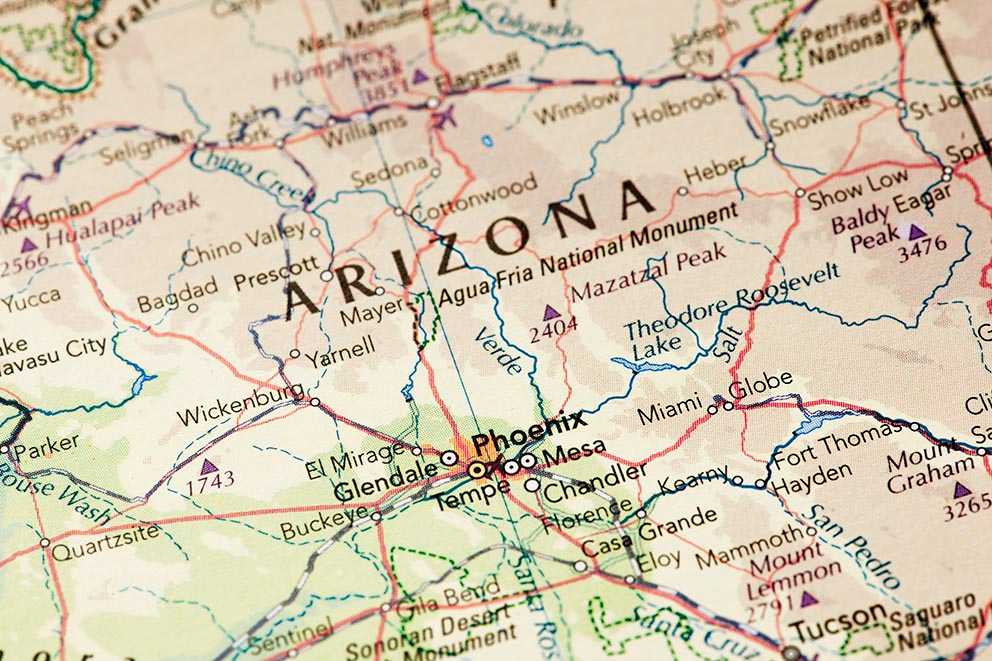
It is likely that people best know Catalina for sitting just 60 miles north of the American-Mexican border. While small, it is larger than many of the surrounding areas. Additionally, Catalina is not far from Casas Adobes, Tucson, Phoenix, and Saddlebrooke. This means that it is in close proximity to a variety of educational institutions, including Pima Medical Institute, Pima Community College, and University of Arizona.
Catalina may be small, but it is quite a pleasant outdoor community. The rich culture makes it easy to see why so many people fall in love with the lifestyle here.