If you’re not already hungry, Riverside is about to change your mind.
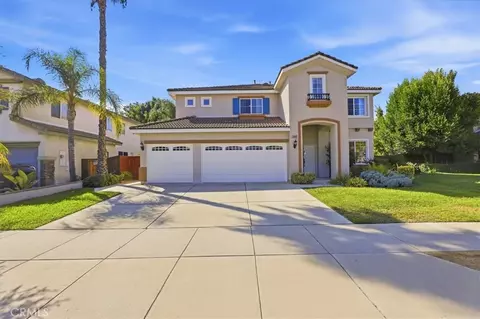
- $960,000
- 5Bd
- 3Ba
- 3,638 Sq Ft
New 20 Hours


Southern California is known for its congested freeways and lack of public transportation. Riverside CA is no different, but that doesn’t mean it is not possible to live here without a car. With walkability high on the city’s list of priorities, Riverside is working hard to break Southern California’s reputation as an automobile mecca. Riverside serves as a transportation hub for the Inland Empire with services from Amtrak, Greyhound, and Metrolink, a regional commuter rail line serving Riverside, Orange, and Los Angeles counties. The nearby Ontario Airport is a popular Southern California alternative to LAX with shuttle services available to most major Southern California attractions, including Disneyland, Universal Studios, and Sea World. A newly drafted transportation plan aims to get drivers out of their cars and walking, riding bikes, or using public transportation. Here’s a list of where to live in Riverside CA without a car:
Like most cities, Downtown Riverside offers many of the comforts and conveniences homeowners desire all within walking distance or a short ride on public transportation. Aside from being the most walkable neighborhood in Riverside, with a Walk Score of 67, downtown is also bicycle friendly with clearly marked bike lanes and public bicycle racks scattered throughout the area. There are more than 75 bars, restaurants, and coffee shops serving downtown’s 11,243 residents, many within a five-minutes walking distance of the neighborhood’s residential areas. The Riverside Transportation Agency (RTA) provides environmentally friendly bus service throughout the entire city, and Downtown is home to one of Riverside’s two Metrolink stations, which provide passenger and commuter rail transportation to and from the Los Angeles and Orange County areas in about an hour. The city is constantly expanding bus service to and from Metrolink stations to improve public transportation. Plus, the neighborhood’s historic bus terminal acts as a central transportation hub for the City of Riverside and other surrounding Inland Empire communities. Downtown Riverside is conveniently located near the University of California Riverside and is also home to Fairmount and Mt. Rubidoux parks, which offer hiking and many other outdoor recreation activities right in your own backyard.
One of Riverside’s oldest neighborhoods, Arlington has been the focus of several revitalization projects over the past two decades that have returned the historic neighborhood’s village character and made it Riverside’s second most walkable area. New pedestrian and bicycle paths and signage have been added as well as expanded bus service. Magnolia Avenue, the neighborhood’s central thoroughfare, has been narrowed in both commercial and residential areas to make more room for pedestrians and cyclists. With a Walk Score of 60, Arlington’s 11,582 residents have no problem getting around. Arlington is also home to Riverside’s second largest bus terminal. Located near the popular Galleria at Tyler shopping mall, the terminal acts as a main transfer point for almost all of Riverside’s 15 fixed-route bus lines. Three express commuter bus lines service the neighborhood as well, delivering commuters to both of Riverside’s Metrolink stations and into Corona and neighboring San Bernardino County. Community parks, schools, and other public facilities are strategically located throughout the neighborhood to limit automobile traffic. Arlington’s pubic schools, including Liberty and Sunshine elementary schools, are conveniently located in the heart of neighborhood’s residential areas.
Located near the University of California Riverside and east of downtown, Riverside’s Eastside neighborhood is the city’s second most walkable neighborhood, with a Walk Score of 50. Expanded bus service aimed at providing transportation to college students easily connects Eastside to the rest of the city. ZipCar, a popular car rental/sharing service, is available at many locations surrounding the university and allows the city’s carless residents “borrow” a car to run errands when needed.
Not owning a car in this neighborhood may be a little more challenging given its Walk Score of 30, but Riverside's La Sierra neighborhood makes our list because it is home to the city's only other Metrolink station and is a central hub for commuters who work in Orange and Los Angeles counties but prefer Riverside's lower cost of living. What it lacks in bike lanes, La Sierra makes up for with other public transportation options, including highly traveled bus routes that carry students and other area residents to the booming La Sierra University. The master planned community, Riverwalk, which was developed in the late 1990s and early 2000s, helped increase the area's walkability with the addition of The Shops at Riverwalk, a premiere outdoor shopping destination on Riverside's western edge.