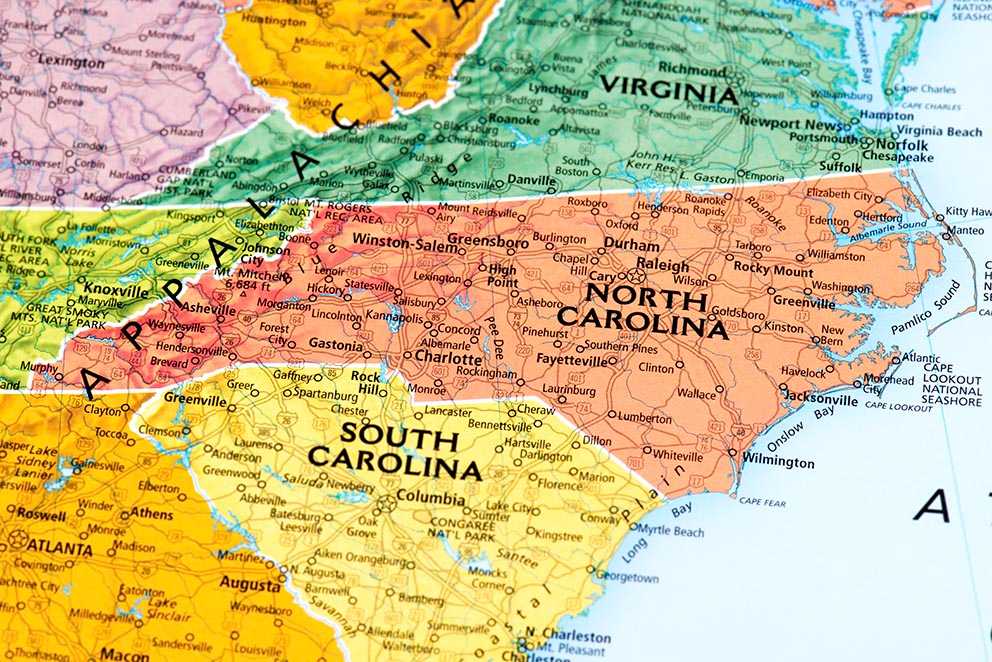
So you think North Carolina is all about barbecue? Think again.

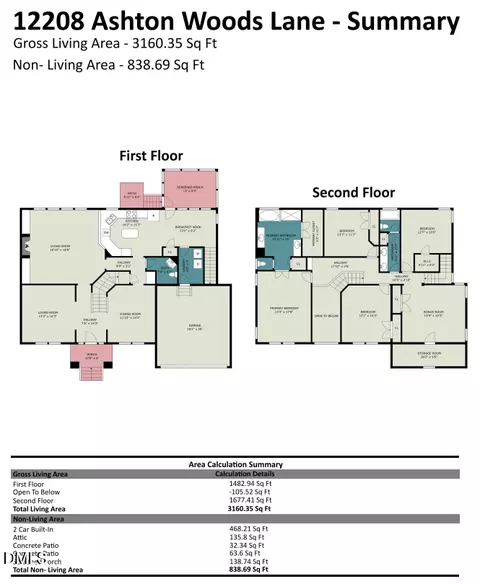
- $1,150,000
- 3Bd
- 3Ba
- 3,901 Sq Ft
New 5 Hours


The quality and value of Cary real estate continue to grow, making it an impossibility to overstate the long-term benefit of living here. This area represents unspoiled natural beauty, family-oriented living, and the best that urban life has to offer. Families that prefer a quiet neighborhood to the bustle of busy city streets create a safe haven in this small, close-knit community.

Source: flickr.com
History is remembered in downtown Cary through the National Register for historic districts, listing up to 30 dwellings, outbuildings, a hotel, and the Old Cary High School. These buildings represent the architecture and history of the town for the period between 1890 to 1945.
The Page-Walker Arts and History Center can give visitors a more in-depth look at the past, featuring the Cary Heritage Museum with a gallery and archive gallery. Field trips are taken here every year by hundreds of students that are able to view the elements of the Page-Walker building that are still original to the period it was built in. The center also provides a walking tour of the downtown Cary area to teach in the historical district.
This area is also close to the tours of historical buildings and mansions provided in Raleigh, where participants can view entire 19th-century neighborhoods that have been restored and maintained for authenticity and historical preservation. Sight-seers are also able to walk on cobblestone streets where the original lampposts from a century past still stand. There are many sights to take in for the history buffs.

Source: flickr.com
Clary is full of convenient and fun amenities the whole family can enjoy, reducing travel times to sources of entertainment and necessities. It provides its residents with a selection of restaurants, parks, fitness centers, spas, coffee shops and more. Residents can pamper themselves at the local spa, take advantage of a sale at the local winery, or go for an afternoon hike through the nature reserve. Cary provides family-friendly fun for all ages.
On average, the crime rate in Cary, NC is 66% lower than the state average and 62% lower than the national average. When comparing specific crimes such as property crimes, Cary’s rate of burglary and property damage (the two crimes of highest occurrence for the area), Cary enjoys an average of occurrence that is 64% lower than the state and 59% lower than the nation. In considering the violent crime, Cary comes in at 81% lower than the state average of North Carolina and 82% lower than the national average. This is a big reason that families love to call Cary home.
Those that are feeling a bit more adventurous can take a professional tour of the local restaurants with the Triangle Food Tour company. The company’s slogan of “Walk. Talk. Taste. Sip” sums up the simplicity of the experience that introduces tour participants to five or six different restaurants in the downtown Cary section. These attractions include the area’s first soda fountain, a bistro run by an NYC chef, and a Cuban restaurant where only authentic Cuban foods are served. The tour is on foot, lasting approximately two and a half to three hours. The Triangle Food Tour company also provides tours for the areas of Durham, Raleigh, and Chapel Hill.
For those that are health conscious, the area provides a variety of farmers markets to choose from. Cary residents can visit the Cary Downtown Farmers Market, which has been in business for more than 20 years. Apart from providing an assortment of fresh, healthy fruits and vegetables, the market also offers German bread, single origin coffee, and meats that are antibiotic and hormone free. Local vendors bring an assortment of homegrown and homemade goods for sale.
Outside of the town of Cary, Western Wake Farmers’ Market is most well known, but there is the Apex Farmers’ Market and a Ganyard Hill Farm that rates highly with customers, as well.

Source: flickr.com
If the cost of living is higher in Cary, it may have something to do with the median household income for the area. Residents, on average, earn $91,349, almost twice the median rate for North Carolina at $46,450 and the national average of $53,046.
The main industries in the area manufacturing, wholesale and retail, and education or health related industries. The area also has industries related to construction, transport, warehousing, and public administration.
The average commute time for Cary is 22 minutes, which runs about the same amount of time for average drive times in the state of North Carolina and the nation.
While the cost of living is higher in Clary, the quality of living makes up for it. Cary scores 114 on the index while North Carolina scores a 96 and the national average is 100. In the area of housing, Cary scores a 149 while North Carolina only scores an 85. However expensive this may seem, Cary continues to draw people from all over the country, and the area continues to grow.
As for factors such as health care, groceries, utilities, and goods and services, Cary scores a 98-100 on the index while North Carolina scores a 100-104 in the same areas. While the cost of housing may be high in this area, other necessities run lower than that of surrounding areas, helping to offset the cost of living. The median home price for Cary is $302,500, an increase of almost half over the North Carolina median home price of $153,600. The national average is $181,400.The per square foot price for Cary homes is $140, on average, an increase of 11% above the square foot price twelve months ago.
The student/teacher ratio for Cary is 16:1, matching the national average. Cary is equipped with 14 public schools and four private schools. For continuing and higher education, residents can attend one of the two schools in the area of Cary or branch out to take advantage of one of the eight surrounding colleges or institutes.