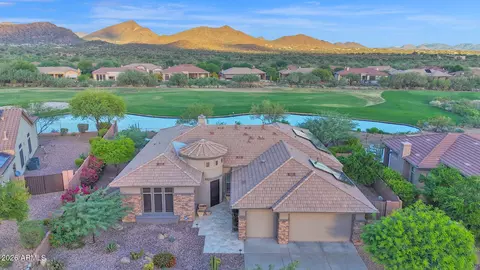
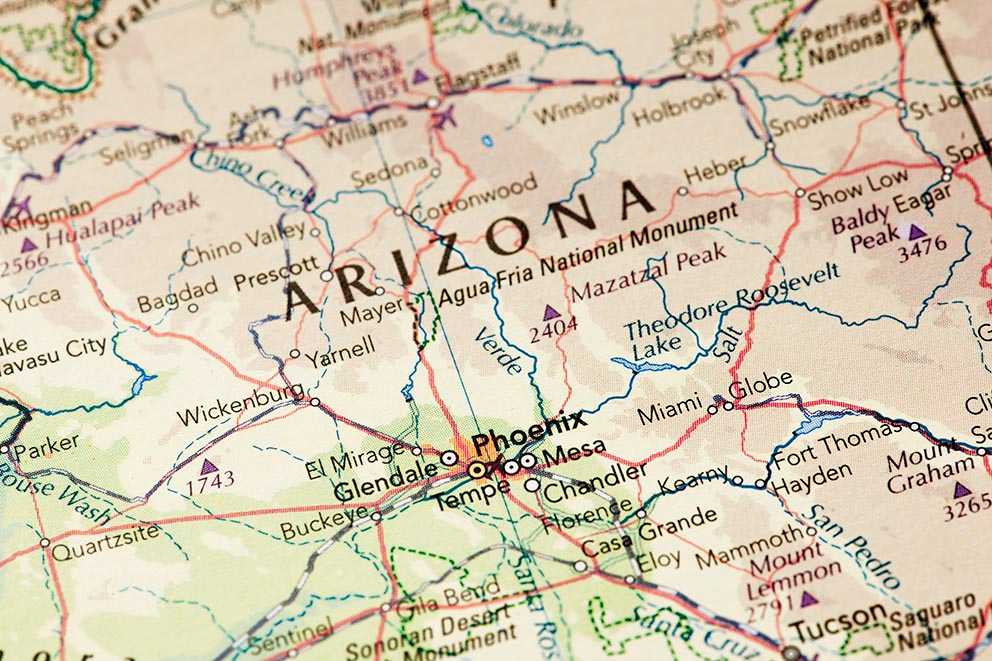
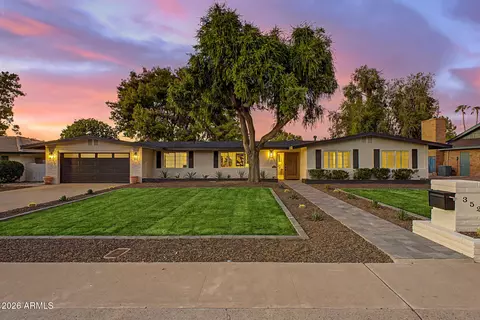
Phoenix is a sprawling metropolitan area that is home to over 4 million people as of the most recent census in 2010. A population of this size creates a persistent need for housing. Families are forming, young adults are moving out on their own and people are looking to invest their lifelong nest-eggs.
The
Phoenix real estate market is still under some scrutiny by wary analysts, but the raw data indicates that the housing market is once again flourishing.
Unlike market conditions in the past, it’s difficult to label the present real estate market as a clear “buyer’s market” or “seller’s market.” Price points have stabilized to satisfy many sellers, while buyers are still making purchases at the beginning of growth projections. While there are certainly exceptions, the real estate market in Phoenix is regularly benefiting both buyers and sellers.
Hit Hard By the Housing Crash

Source: accessiblevans
The 2008 housing crash, or The Great Recession, shook the economy of the Phoenix metropolitan area. It seemed like foreclosures were on every street and everybody knew somebody who was going to lose their house.
Phoenix and nearby Las Vegas led the foreclosure rates for the nation. According to the Census Bureau American Community Survey, home ownership has decreased by 12% between 2005 and 2014. Fortunately, 2015 marks the beginning of ‘boomerang buyers’ – those who lost their homes due to a foreclosure and are now once again eligible for a mortgage.
Phoenix Real Estate Giving Strong Growth Signals

Source: cbmint
Perhaps the most promising trend that signals lasting real estate growth, versus another bubble, is that owner-occupant buyers are fueling much of this growth. The Arizona State University’s Center for Real Estate Theory and Practice at the W.P. Carey School of Business has found a 7% increase in single-family home sales from May 2015 over May 2014. The median price for homes in this price range has also increased by 11.5%, while condominium prices have increased by 12%.
Additionally, Michael Orr of the Center for Real Estate Theory and Practice has stated, “In the past two months the number of building permits issued in the $200,000 to $500,000 range has increased.” The increased number of permits indicates that there is new growth within the luxury market, a strong indication of a recovering market.
AZ Central reported that 88% of home sales in 2015 were not tied to foreclosures in any way. Three years ago approximately half of all home sales were foreclosures or lender short sales. This statistic indicates the changed direction of the Phoenix real estate market. AZ Central further states that listings are down 5 percent as compared to last year and there’s increased competition over prices in the $250k range – both signs of a recovering real estate market.
Are Investment Properties Helping or Hurting?
Many home buyers and real estate analysts criticize the influence of cash-based foreign investment on the Phoenix real estate market. They point to the fact that owner-occupants are more in it for the long haul and will care more about the property itself.
However, many of these fears fail to account for all of the variables. For one, Phoenix has always been an attractive market to foreigners looking to invest in American properties.
Mark Stapp, director of Master of Real Estate Development Program at W.P Carey, states that, “This was not a cash-constrained recession. There was — and still is — a lot of cash looking for good returns.” Stapp elaborates that all types of investors have contributed to the recovery and continued strength of the Phoenix real estate market. Due to Phoenix having a high demand for rental properties and having promising long term projections, investors have continually been drawn to the city.
Investors are simply one segment of the present real estate market and do not represent the entirety of its growth. Additionally, Stapp highlights how the increased value of housing will allow homeowners to their homes, which they may have previously been about to lose, and re-enter the market as new buyers.
Some analysts maintain that foreign investments and investment properties in general, are taking opportunities away from potential owner-occupants.
Fortunately, the reality is that investors help form a needed foundation for the rest of the market. Anyone looking to purchase a property, either as an investment or as a future home, will positively influence the real estate market of Phoenix.
Looking to the Future of the Phoenix Real Estate Market

Source: findgoodmovers
The future of the Phoenix real estate market is promising. It’s always difficult to predict the future of something as complex as real estate, but all of the present signals indicate that the growth patterns will continue. By many metrics, the market is still recovering from the Great Recession. Fortunately, it’s far enough along in the recovery to give buyers, both investors and owner-occupants, peace of mind.
Stapp estimates that Phoenix is approximately 2 years away from full blown recovery and saves for any new regulations of significant events that alter the current patterns. Stapp states that, “What is done with mortgage lending, mortgage interest deduction and the secondary mortgage market is still somewhat unclear, and the resolution over the next two years will have a big impact. We still have a broken system, and it’s not being fixed rapidly or at all in some cases.”
Stapp’s analysis may seem pessimistic, but it does address some real concerns all buyers should consider. The real estate market in general, beyond Phoenix, still has major flaws that need to be corrected. Additionally, external factors such as job growth and the median pay will continue to be intrinsic to the real estate market. Changes with job availability will also have an impact on the real estate market of the region.
Phoenix is presently exhibiting much of the growth signals of a promising real estate market. Investors and owner-occupants will both benefit from entering the market at this time. There has been enough recovery to satisfy both buyer and seller needs, combined with projections that point at long term returns on the investment.