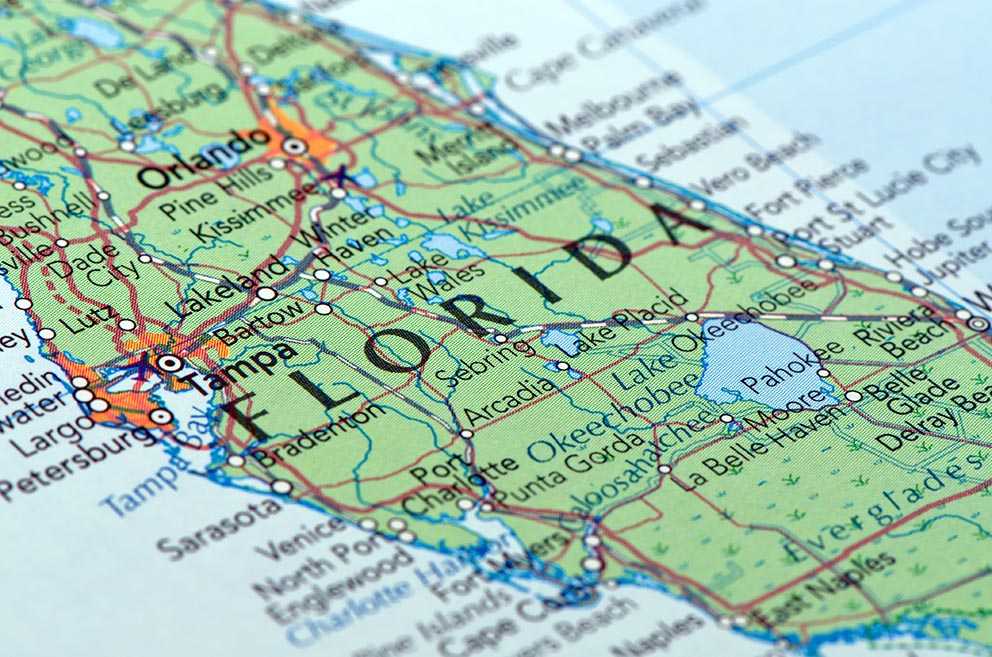
Located in Orange County, Apopka, FL is considered part of the Sanford, Orlando, Kissimmee Metro area. Often called the “Indoor Foliage Capital of the World,” this city’s name actually means “Potato eating place.” The city continues to grow, expanding the city in all directions. New businesses are constantly moving into town, yet there are plenty of outdoor areas for residents to enjoy as well. The fast growing, friendly city has a lot to offer residents, and here’s a closer look at the city’s demographics, culture, quality of life, and other essential information potential homebuyers should consider before moving to the area.
What are the Apopka Demographics?
Statistics show that Apopka FL has a current population of 45,587 people, and the population has increased by more than 71% since 2000. Out of the total population, 50.4% is made up of females and 49.6% is made up of males. Currently, the median age of Apopka residents is 36.9, which is significantly younger than the Florida median age.
The city has more than 9,500 households and over 7,000 families, with roughly 1,108 individuals for each square mile of the city. The racial makeup of Apopka is 73.85% white, 5.36% of other races, 0.42% Native American, 0.09% Pacific Islander, 1.89% Asian, 15.56% African American, 18.08% Latino or Hispanic, and 2.83% two or more races. Approximately 38.2% of the city’s households have children under age 18 living in them, 25% of households are non families, and 55.8% of households are married couples. The average family size within Apopka is 3.13.
The population is widely spread out age wise, although only 10.1% of the population is over the age of 65, which is unusual in Florida, a senior’s paradise. Just 19.5% of the population is between 45 and 64, while 33.6% of the population is between age 25 and 44. Only 8.6% of the population is between 18 and 24 years of age, while 28.2% of the population is under age 18.
How is the Culture in Apopka?
The culture in Apopka, FL traces back to early American Indians, and the Acuera people, who happened to be part of the Timucua Confederation, were the first known inhabitants in this area. However, by 1730, all of these individuals were gone and thought to be wiped out by diseases the Spanish colonists brought to Florida. Later, refugees from Georgia and Alabama would create the new Seminole Indian tripe, and they dubbed the area Ahapopka, which actually meant “potato eating place.” Later, the surviving natives of the area had to abandon the area to find refuge deeper in the Florida peninsula’s wilderness. A major trading center was built in the area by early American settlers, and in 1857, a Masonic lodge was erected in the area that is now Main Street.
Today, many of the buildings from the 1880s can still be seen in Apopka, allowing locals to enjoy exploring the culture that has been a part of the city for so many years. Just a few of the old buildings that are preserved include the Waite-Davis House, the Apopka Seaboard Air Line Railway Depot, and the Mitchell-Tibbitts House.
How is Apopka Quality of Life?
The quality of life in Apopka FL is high, and that’s largely due to the reasonable cost of living and the high estimated median household income within the city. The cost of living in the city is just a bit lower than the average cost of living in the state of Florida, and it’s just 1% higher than the U.S. average. While housing costs are just a bit higher than the national average, income taxes in the state of Florida don’t exist, which saves locals a significant amount of money. Along with the reasonable cost of living, the median household income in the city is $58,344, which has risen significantly since 2000. The median household income in Apopka is more than $12,000 higher than the Florida estimated median household income.
Crime rates in Apopka are just a bit higher than the national average, although the number of crimes per year has decreased over the past few years. The quality education system also adds to the quality of life, since the local public schools work hard to come up to challenging standards while providing students with quality education, athletic excellence, and student involvement. The city continues to grow and offers an environment where local businesses can grow, contributing to the overall economic success within the city.
What is Apopka Best Known For?
While Apopka, FL has a lot to offer, one of the things it’s best known for is the beautiful Wekiwa Springs State Park. This park is located right at the Wekiva River’s headwaters, offering stunning vistas that take visitors back to how Central Florida must have looked when the Timucuan Indians inhabited the area. Locals have the chance to enjoy relaxing in a gorgeous area, and it’s perfect for picnicking, hiking, cycling, kayaking, and canoeing. It’s also a great spot to enjoy swimming in the beautiful, cool spring. Camping is also available in the park, including primitive camping spots and a campground that offers full facilities.
The city of Apopka is also well known for offering a wide variety of recreational facilities and activities. From sports fields to amphitheaters, the recreational facilities in the city have a lot to offer. The Northwest Recreation Complex offers walking trails, playgrounds, sand volleyball courts, baseball fields, and more. Locals enjoy gazebos, picnic areas, playgrounds, racquetball courts, and tennis courts at the local Kit Land Nelson Park. Other available recreational facilities include Edwards Field, Doctors’ Dog Park, Alonzo Williams Park, Apopka Athletic Complex, Lake Avenue Park, and Dream Lake Park.