Where can you live in Omaha and keep your family safe? Look at some of the safe and family friendly neighborhoods in the city.
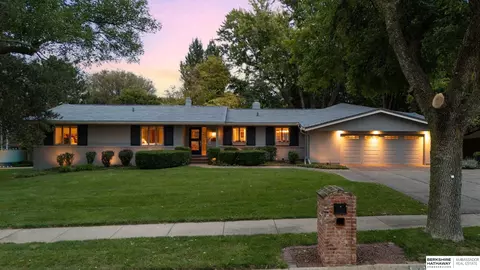
- $975,000
- 4Bd
- 5Ba
- 4,576 Sq Ft
New 2 Hours


Are you moving to Omaha, Nebraska without a car? As environmental issues like global warming become more prevalent, people are looking for ways to park the car or live without one completely. How difficult is that to do in a city like Omaha that is spread out well over a hundred miles? The recent changes in attitude have introduced a buzzword that deals with this very subject. Walkability refers to how easy it is to get around a specific area on foot. It takes into consideration sidewalks, walking paths and even traffic. When you are assessing a potential property in Omaha for walkability, you might also consider things like grocery stores and nearby schools. Where are the best places to live in Omaha if you want walkability? A Little About Walk Scores Walk Scores measure the walkability of a key area like a neighborhood. The scores fall between 0 and 100 with 100 being the highest. An address with a score of 10 almost certainly requires a car even for basic errands. A neighborhood with a high score is more walk friendly. There are apps available that help you determine the walk score of any address. If you are learning to live without a car, then having this information comes in handy. You also want to do some research before buying a home or renting in a big city like Omaha to ensure it is walkable.
Coming in at the top of the walkability list is the Downtown neighborhood. This is a key area to consider when asking where to live in Omaha without a car, especially if you are young and single or a professional couple waiting to start a family. The walk score downtown is an impressive 95. This area is designed to be walk-friendly. It takes just minutes to move around from place to place and you do it in a safe environment. Omaha’s downtown region has plenty of sidewalks and streetlights to make foot travel easy. Since Downtown is a very commercial area, there are lots of jobs available that are within walking distance and plenty of stores, too. To top it off, trying to live with a car in the downtown area might actually be expensive when you take into consideration parking. You can save money by losing the car and hoofing it. Downtown Omaha is also bike-friendly if you want faster transportation. Walking is the safest option because of traffic, but many of the streets have bike lanes. There is also a public transportation shuttle service that will transport you to different places around downtown for just 25 cents. That means you could jump on the shuttle and take it to a restaurant or run an errand and then go back home again, all for less than a dollar.
The Dundee district of Omaha sits on the western end of Midtown. It starts at Leavenworth Street and expands north to Hamilton Street. From the west it begins at Happy Hollow Boulevard and moves to 46th Street. This is a family-oriented neighborhood and considered very walkable. It is centralized, so close to many areas of the city and has a walk score of 86. When living in this neighborhood, you are just a few blocks from a public library, the A.V. Sorensen Branch, and The University of Nebraska Omaha campus. There are several food stores within blocks of each other. One of the major grocery stores in Dundee also offers home delivery.
South Omaha, or “The Magic City,” was at one time was a town itself. It was annexed into Omaha in 1915. This area is known for its historic architecture and now its walkability, too. The South Omaha district, which runs from Vinton Street south to Harrison Street and the Missouri River to 42nd street, has a walk score of 83. South Omaha offers a cluster of grocery stores including two that deliver. There is also a major pharmacy in the area and a few shopping centers like 84th Street Plaza and Southroads would be easy to get to by bus.
Midtown Omaha is a little bit like a city within the city. It consists of a mix of historic neighborhoods and modern developments like Midtown Crossing. It has been going through a revitalization period that has opened up many significant properties and businesses. This all makes it a reasonable choice if you are living without a car. The walkability will depend somewhat on the neighborhood within Midtown that you choose. Midtown Crossing has a walkability score of 78, for example. This area has become very retail, so you could head out on foot for a cup of coffee at the local coffee shop and stop at the pharmacy and grocery store on the way home. It is also near a major thoroughfare in Omaha, so a commute by bus into the downtown area is painless.
There are a few neighborhoods in Omaha that would be difficult to manage without a car. Millard Heights, for example, is a very car-dependant area. It sits on the outer rim of the city. There may a grocery store nearby, but getting just about any place else in Omaha from there would be challenging without your own transportation. Other neighborhoods to avoid include:
These areas have low walk score numbers because they have poor structures for walking, as in few sidewalks, or very little resources. Overall, Omaha is a very walkable city if you know where to go. Finding the right neighborhood will allow you to enjoy your life there without worrying about transportation.