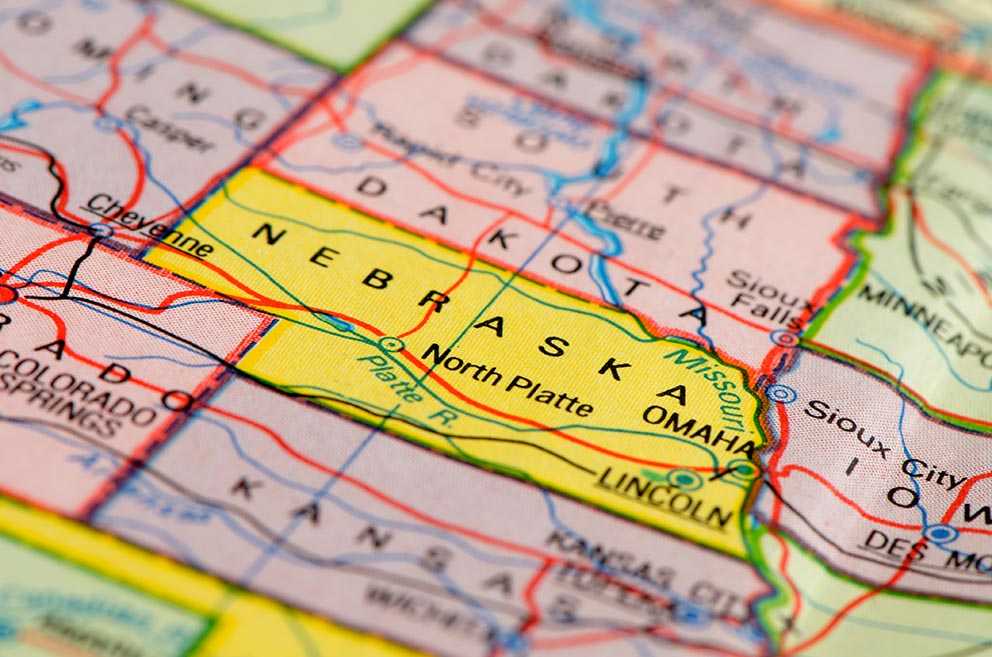
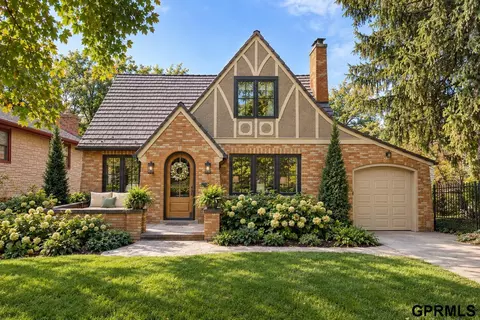
Where can you live in Omaha and keep your family safe? Look at some of the safe and family friendly neighborhoods in the city.
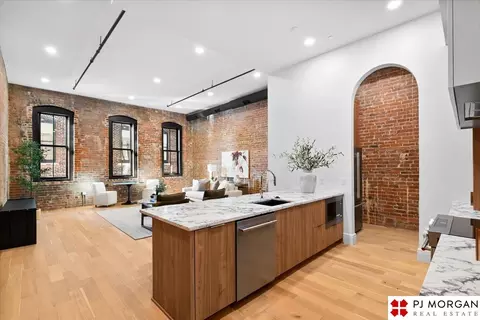
- $999,000
- 2Bd
- 2Ba
- 1,800 Sq Ft
New 2 Hours


Are you thinking about making Nebraska’s largest city your home? Or maybe you already live in Omaha but are considering buying a house there or investment property. No matter what scenario has you are shopping the Omaha real estate market, following the trends is how you know if you are buying in the right area at the right time to get the best deal. It is also how you know what to expect as you search available properties and what the value of that home might be in a year. The same is true if you are selling property in Omaha. Market trends tell you whether you are listing your home at a saleable price and if you are undervaluing your property or selling in a depressed market. Research makes you a better buyer and more successful seller. So, what do the real estate trends look like in Omaha?
The city of Omaha, Nebraska covers a little over 100 square miles and consists of approximately 23 different major neighborhoods. Many of the larger neighborhoods in the city are made up of smaller communities, as well. As you shop the Omaha real estate market, it is a good idea to look at the trends in the different regions of the city, as well. The population of Omaha is around 446,599 people. That number went up by about 20,000 souls over the last four years and includes a diverse group by age and race. Roughly 33% of the population citywide is under the age of 18 and just over 11% are over the age of 65. The state of Nebraska has a solid economic status with positive growth factors such as a low unemployment rate and a resurgence of first-time homebuyers. The median household income is 55,382 dollars a year and the 1-year job growth rate remains steady at just under one percent.
The median list price for a home in Omaha is currently 180,000 dollars – that is down from last month by 4,900 dollars, but up from the previous year by 19 percent. In April of 2015, the market surged to a median price of 197,600 dollars and then dropped back down to the current level. Home prices vary by neighborhood. In the Downtown area of Omaha, which covers just under six miles, housing prices for detached units like a single family home are closer to 129,000. Townhouses and condos sell for 100,000 dollars per unit. In the Westside district, however; you can expect to pay more for a home. The average detached home costs 265,734 dollars and townhouses sell for 440,770 dollars. The median home size is 1,834 square ft. That number is up from the previous year by 10 percent. The median price per square foot is 93 dollars, also up from last year when buyers paid just 87 dollars per square foot.
Omaha has seen home values rise consistently for the last three years, however; the appreciation rate, how much value a property gains in a year, has dropped. Three years ago, homes were appreciating at 10 percent, but the current rate is 3.4 percent. In other words, a home purchased now will increase in value by 3.4 percent over the next 12 months. The national appreciation rate is 5.7 percent.
There are currently 431 new listings in the city of Omaha. That number has gone down steadily in the last few months. Towards the middle of the year, there were over 1,087 new listings. The average home lists for around 60 days before it is either sold or expires. The majority of the available properties are single family homes. Of the 431 currently on the market, 400 of them fall into this category.
Distressed properties tend to sell below market value, increasing the potential for investors in the city. A distressed property is one in foreclosure or put up for a short sale by the owner. The listing might note “Banked Owned,” “In foreclosure” or “Short Sale” to indicate a property falls into this category. Currently, two percent of the listings are distressed – that number has remained steady over the last year, but is higher than 2013. The median price for a distressed home in Omaha is 65,150 dollars or around 51 percent lower than non-distressed listings. The majority of distressed properties are in pre-foreclosure, meaning they are in the early stages of being repossessed. The rate of distressed homes make Omaha a key player for real estate investors. Even though resale inventories in the Omaha area showed a five percent decrease in November 2015, the overall outlook is promising. The Omaha-Council Bluffs metropolitan region is considered one of the top 15 fastest-moving markets in the country. A stable Omaha real estate market will draw in more first-time home buyers, which in turn will boost the local economy even further.