Without the Buckeye State we’d have no airplanes, cash registers or 23-foot-long drumsticks. True story.

- $600,000
- 3Bd
- 3Ba
- 2,629 Sq Ft


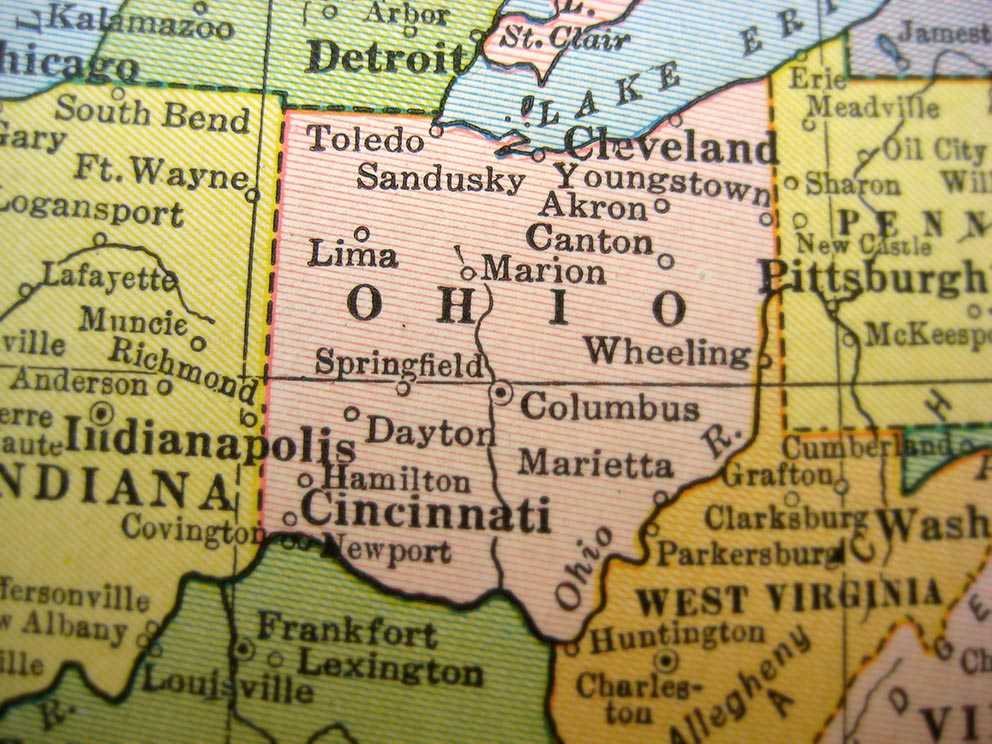
Not to be confused with its Irish counterpart, the city of Dublin is located in central Ohio in Franklin County. The village of Dublin took shape in the early 1800s, but it wasn't until an Irishman decided to partner with the village's founders that the name was chosen. Up until the 1970s, Dublin retained its small village status, but when I-270 was constructed, the population boomed. Today, Dublin is a bustling Columbus suburb with a unique culture that centers around the golf industry.
Dublin is one of the larger Columbus suburbs, with a population around 43,000. Approximately half of residents are native to Ohio. Around 75 percent of residents identify as Caucasian, but the area also has a relatively large Asian population. Nineteen percent of residents classify themselves as Asian, and around 14 percent of the city's residents are foreign-born non-citizens. Of those born out of the country, 28 percent were born in India and 15 percent were born in Japan. One reason for Dublin's higher than average Asian population is the presence of the U.S. Honda Manufacturing hub in nearby Marysville.
Most of Dublin's residents are well educated, with 98 percent having graduated high school. Sixty-two percent have completed undergraduate or associate's degrees, and 22 percent have master's degrees. While households with children are not uncommon in Dublin, nearly one-third report having at least one child, the city is also popular for singles. Twenty-three percent of households in the city are one-person households, and another 28 percent are classified as non-family, which would account for roommates sharing rentals.
The Bridge District is the hub of Dublin's downtown, and most of the city's restaurants and shops are located around West Bridge Street and High Street. Residents enjoy spending sunny afternoons and weekends in this walkable area, but it's also popular after dark. Many of the city's bars and pubs are centered here, and you'll find everything from craft brews to Irish-American fare. The Scioto River forms the eastern border of the Bridge District, and two of the city's best parks are within just a few blocks. Indian Run Falls Park is to the north, and Monterey Park is to the south. Dublin's park system includes a total of 60 parks and more than 100 miles of trails for bikers.
Dublin's residents enjoy a high quality of life. Median incomes for the area come in around $114,000, and most of the city's residents are employed in the education, health, finance, professional, and manufacturing industries. The city's top three employers are Nationwide, Cardinal Health, and Medco Health Solutions. Both the unemployment rate and poverty level, 2.7 and 2.4 percent respectively, come in dramatically under both the state and national averages. Dubliners also enjoy a short 22-minute average commute to work. While walking and biking to work is pretty much out of the question due to the highways and weather, 5 percent of residents choose to carpool to work.
If Dublin has a downside, it's the higher-than-average cost of living, and this is largely due to housing prices. Homes in Dublin are 66 percent more expensive than the national average, and the median home price is nearly $400,000. Many residents choose to cut costs by calling an apartment or condo home, but you can also save some money on groceries and transportation costs, as both of these categories are about 10 percent cheaper than the rest of the state.
Dublin gains national attention every year when the PGA Tour makes its annual stop in the city in early summer. The Memorial Tournament — started in 1976 — is held at Dublin's Muirfield Village Golf Club. An induction ceremony also takes place at the tournament every year, and past inductees are featured on plaques on the clubhouse wall. Even when the tournament isn't going on, golf is a way of life for many of Dublin's residents who chose the city specifically for its beautiful courses.
Dublin City School District has also drawn notoriety to the city and is ranked as the 11th largest and fourth best school district in the state. The school system is made up of 19 schools total, and there are more than 15,000 students attending on average. Those who make their way through the Dublin City Schools are considered to be extremely well prepared to go on to college. Students consistently have higher-than-average test scores on both the ACT and SAT, and many take advantage of the College Credit Plus program and AP classes. A variety of extracurricular activities are also available for those interested in the arts or athletics. The district boasts a graduation rate of just over 96 percent, and another 72 percent of students go on to successfully graduate college as well.
Bottom line: While Dublin's cost of living and weather may not be the best, the local pride, recreational opportunities, and short commute more than make up for it.