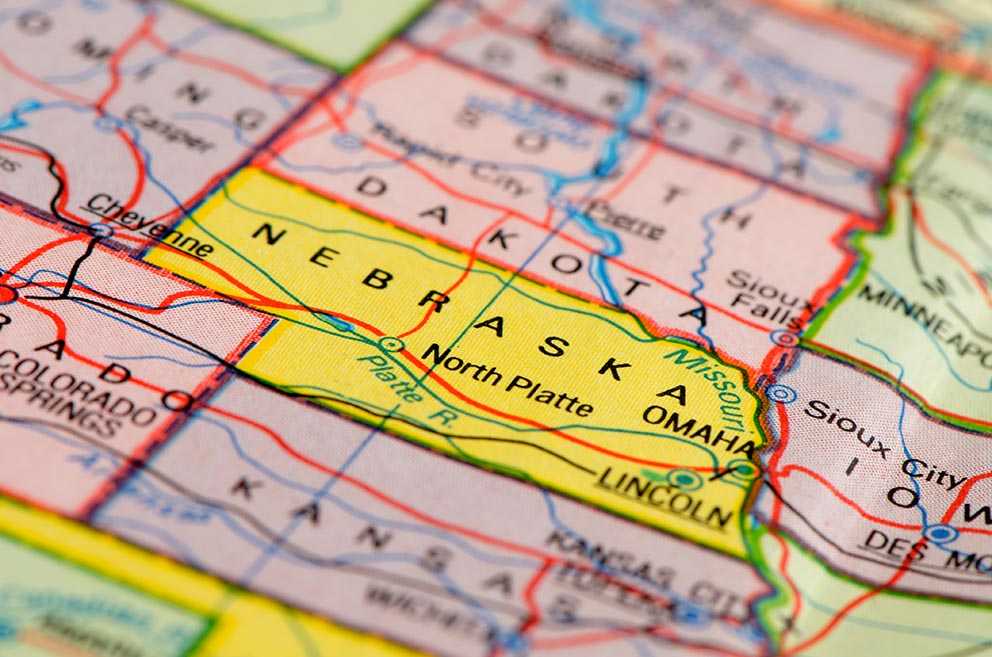
Learn how to decipher the language of the Cornhuskers.
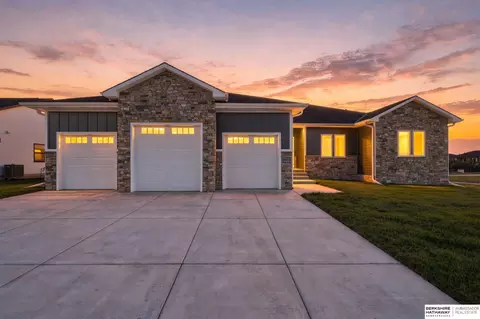
- $619,900
- 5Bd
- 4Ba
- 3,103 Sq Ft
New 3 Hours


Nebraska at a Glance
Corn! Really, corn is everywhere in Nebraska. But so are beef and pork, and soybeans. The Nebraska prairie is ideal for cattle grazing, and much of the land is good for growing things as well.
Nebraska is quintessentially Midwestern, with a "real-ness" born of the frontier when people had to depend on one another for survival. Its people, largely of German and Czech descent, still exhibit a bit of the frontier spirit that drove explorers and settlers across the many trails important in the state's early history. Its climate is harsh, tornadoes and violent thunderstorms are common, winters are long and sometimes brutally cold and snowy, and through it all Nebraska residents manage an upbeat attitude.
Omaha is the largest city, with a metropolitan area population of about 1.3 million. Lincoln, the state capital and site of the University of Nebraska, is the second largest population center, with approximately 310,000 people. But almost 90% of Nebraska towns have populations of less than 3,000; hundreds more are home to fewer than 1,000 residents and severe population declines have resulted in school consolidations and other measures to ensure continued services for those who stay.
A unique quirk of demographics makes Sioux City, Iowa the third largest population center in Nebraska. Sometimes known as Siouxland because portions of the city spill into both Nebraska and South Dakota, it is truly one city with addresses in three different states. Nebraska's fourth largest city is Grand Island, with less than 85,000 residents. Council Bluffs is considered a part of greater Omaha.
Top Cities in Nebraska
Why You'll Love Living in Nebraska
Many people love Nebraska, and the reasons vary. The economic base is agricultural, and just about everything is subject to tax. There is a state sales tax as well as a state income tax, and all personal property is taxed. But unemployment is low, and the Omaha-Council Bluffs area is a center for commerce, manufacturing, telecommunications, insurance and information technology. If you like urban convenience, it is really the only place to live.
Claims to fame include Kool-Aid, which was introduced to the world in Nebraska in 1927 and is the state's "official drink." Omaha is the home of Berkshire Hathaway, and of Warren Buffett. It is also home base for four additional Fortune 500 companies, including Con-Agra, construction giant Kiewit Corporation, Mutual of Omaha, and Union Pacific Railroad. The city also serves as national headquarters for Cabela's, and was once named by Forbes Magazine as America's city with the "best bang for the buck." Because of its diversified economy and culture, it was rated as Number One on the list of "fastest recovering cities."
Nebraska tries hard to "get it right," as demonstrated by its repeated attempts to construct the perfect state capitol. The current building was completed in phases, with the last portion opening in 1932. The original design, however, won't finally be realized until interior courtyard fountains are added. They are scheduled for 2017.
The University of Nebraska is a major research center and a pioneer in the field of grassland ecology. Of course, its football team is known as the Cornhuskers.
Nebraska is steadfastly mainstream in most ways, with a history that dates to Westward Expansion and looks hopefully to the future. Among other claims, it is said that the TV dinner, Raisin Bran, the bobby pin, cake mix, and the Reuben sandwich were invented in Omaha. What's not to love about that?