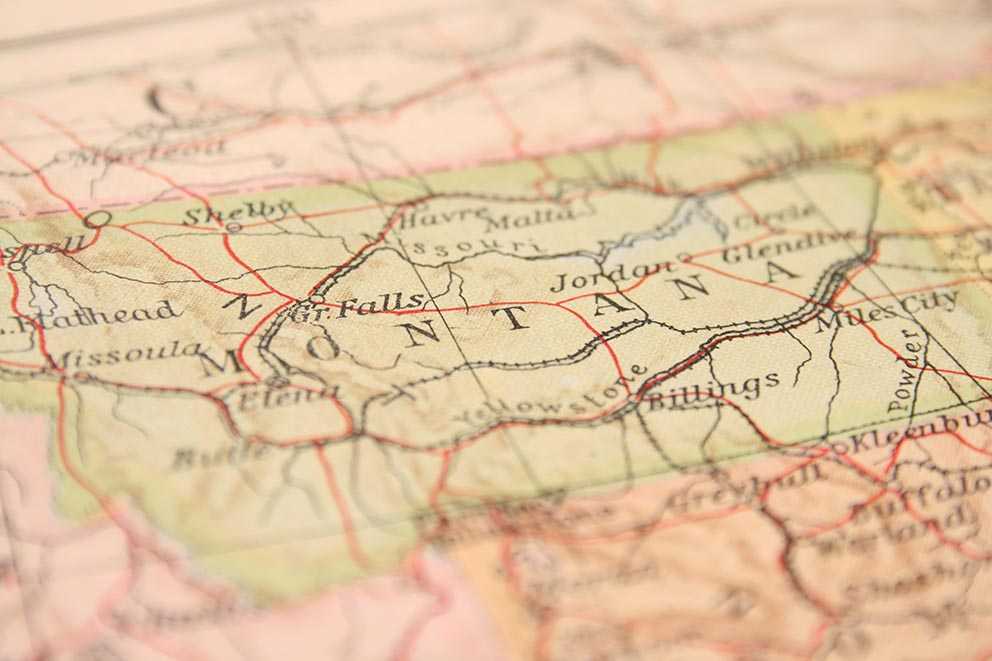
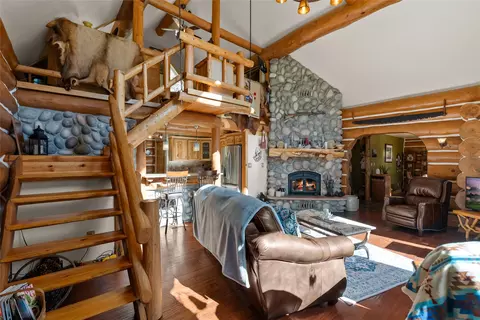
Everyone from Montana knows exactly why it’s called the Last Best Place on Earth.
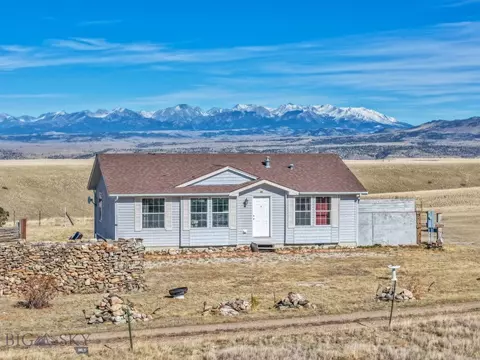
- $1,250,000
- 2Bd
- 2Ba
- 1,080 Sq Ft
New 1 Hour


Montana at a Glance
Fourth largest in area of the United States, but near the bottom in population, Montana has a total population of just over one million. Its largest city, Billings, is the center of commerce for an area that stretches across not only all of eastern Montana but also encompasses Wyoming and some of the Dakotas. Known historically for cattle drives and wide open spaces, Montana was for much of its early history a free-wheeling frontier of miners, railroaders, cowboys and outlaws. Today it is still largely untamed, and large ranches still exist, but Montana has given way to oil and tourism, and it is today better known for its mountain beauty, its trout fishing, hiking trails and ski resorts.
Montana is also the home of Glacier National Park, Flathead Lake and Kalispell, Fort Peck Dam and Reservoir, and for a piece of Yellowstone National Park that occupies its southwestern corner. The Little Big Horn National Monument is in the southeastern section near the Wyoming border, and the path taken through the state by Lewis and Clarke in the 1800s is still a popular trek. Little Miles City, east of Billings, is the site of the world-famous Bucking Horse Sale that occurs every May.
Montana's well-known cities include Helena, the capital, Anaconda and Butte of mining fame, the university towns of Bozeman and Missoula, and Great Falls, Deer Lodge, Havre, Red Lodge and Virginia City. Some are pleasant small towns, some are tourist destinations, and some, like Virginia City, are "living" ghost towns with historical significance.
Top Cities in Montana
Why You'll Love Living in Montana
If you like outdoor life, big skies and distant horizons, and if you're happy making or finding your own entertainment, you'll love Montana. It's a relaxed lifestyle where nobody "ever meets a stranger," and neighbors still rely on one another. Neighbors, however, unless you live in town, can be miles away. The business of business plays a supporting role to the joy of living, and very little is so important that it can't just wait a little bit. Much of Montana life centers around tourism, and the state's economy is considered stable. Eastern Montana cities have benefited somewhat from North Dakota's recent oil boom, but it is not seen as a major boost to the economy.
Generally, the cost of living in Montana is about six percent lower than in other parts of the country. But weigh that against the availability of jobs in all but the larger cities, and the seasonality of commerce. Taxes and utilities, commuting costs and non-essentials are comparatively low, but so are wages in most areas. Adequate housing is usually available, but new construction is not a priority, and population growth has not spurred new development in most areas.
Montana was originally named The Treasure State because of its rich reserves of gold, silver and copper. But once you experience life in Montana, you know that there are other reasons to treasure it. Deciding to live in Montana can be, at least partially, motivated by the treasures it offers to its residents -- majestic surroundings and a sense that anything is possible in this "big land."