There should be nothing mini about your appetite here… ever.
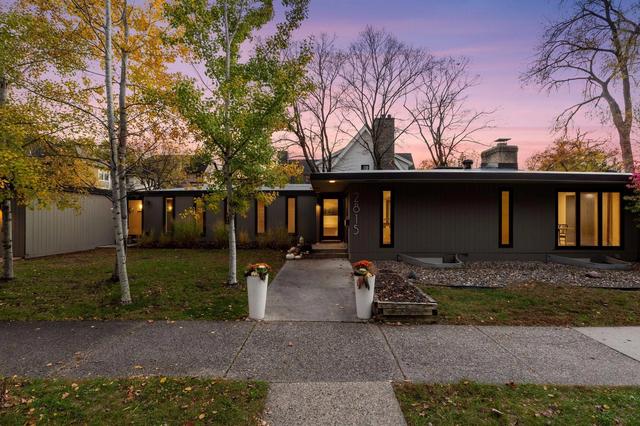
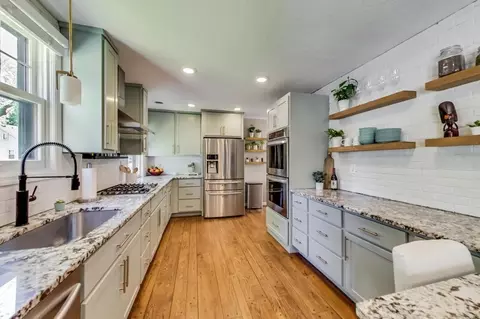
- $1,180,000
- 4Bd
- 2Ba
- 2,969 Sq Ft


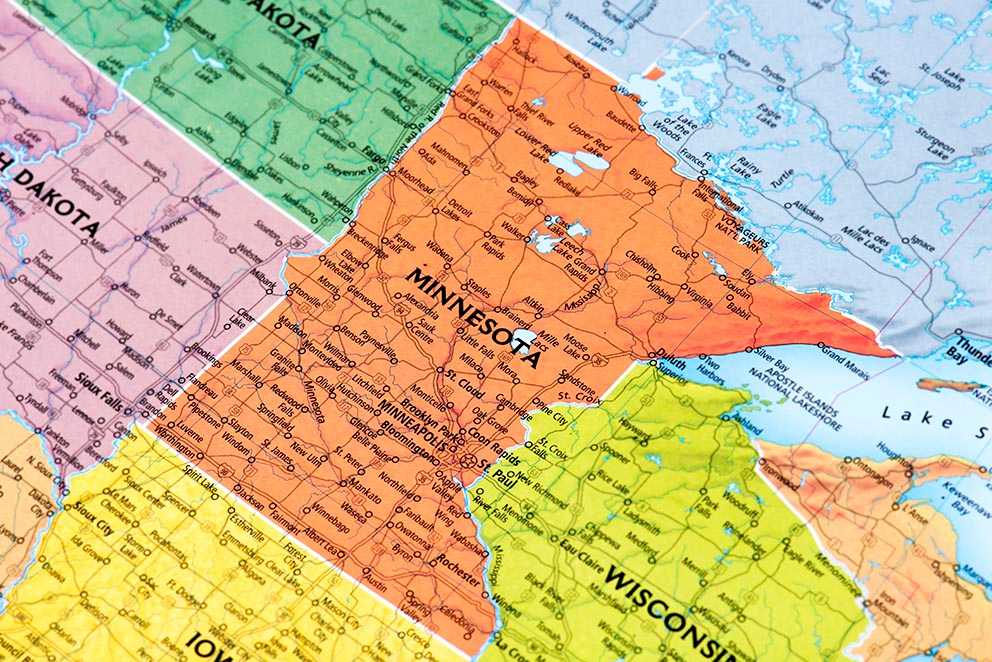
When choosing where to live in Minneapolis, the availability of public transit is a prime factor for many prospective residents. Living without a car is surprisingly easy in this Midwestern city, thanks to the local abundance of light rail lines, bus routes, and most importantly, well-maintained bike paths. Prospective Minneapolis residents who lack cars are best suited to the following neighborhoods:
Prospect Park is an excellent locale for those who require easy access to both St. Paul and Minneapolis. The neighborhood is located near the St. Paul border and right on the University Avenue light rail line, which can take residents to either downtown Minneapolis or Saint Paul. There are also several bus routes that traverse University Avenue, including the 16 and the 63. Many bikers commute via a specially designated bike lane on University Avenue. The one downside to this neighborhood is that there are no grocery stores within easy walking distance. The best option for local grocery shopping is the Hampden Park Co-Op, which is located in Saint Paul's South Saint Anthony neighborhood. This is just over a mile from Prospect Park, and thus, reasonably accessible for those who primarily travel via bike. Shoppers can also take the light rail east towards Midway, where they can shop at Walmart, Target, or Cub Foods.
For those who desire the convenience of the Dinkytown area without the noise, there is no better place to live than in Marcy-Holmes. Not only does this neighborhood offer easy access to the wonders of Dinkytown, it is also a short walk, bike ride, or bus trip away from Downtown East, which can be accessed by the Hennepin Avenue Bridge (known for its Grain Belt sign), the Central Avenue Bridge, and best of all, the Stone Arch Bridge, which is a pedestrian and bike enthusiast's paradise. From the Stone Arch Bridge, pedestrians and bikers can access numerous trails, which connect them up not only to the downtown area, but also the western suburbs. Several useful businesses are located within walking distance of Marcy-Holmes' residential area, including Kramarczuk's Sausage Company, Lunds & Byerlys, and Surdyk's Liquor & Cheese Shop. Additionally, numerous dining establishments are within easy reach, including Mac's Industrial, Brasa, and Rusty Taco. A bit of a commute is required for those who wish to attend concerts, but bus routes 4 and 6 take Marcy-Holmes residents downtown to First Avenue & 7th Street Entry, while route 2 offers a short trip to the Varsity Theater in Dinkytown.
Many Twin Cities residents complain about how difficult it is to park in Uptown, but for those without cars, it's a great place to live. Everything that residents need is within walking distance, and if it isn't, it can be accessed via bike or bus. Requisite grocery shopping can be completed at the Lunds & Bylerlys on Lake Street, although, with so many great restaurants located in Uptown, it can be difficult for residents to remain disciplined enough to cook their own food at home. There is also a Cub Foods located on West 29th Streeet and Dupont Avenue South. Shopping opportunities are plentiful in Uptown, with many residents spending their Saturdays at Calhoun Square and the other shops along Hennepin Avenue. When the sun goes down, entertainment options are equally plentiful. Many residents favor the Uptown Tavern, but those who prefer to avoid the bar scene can always catch a movie at the Lagoon Cinema or the Uptown Theatre. For many residents, leaving Uptown for anything other than work is rare, but when they do need to head elsewhere, they can use the HourCar car sharing service, which has multiple hubs in the Uptown area. Otherwise, bus routes 4, 6, and 17 all service the Uptown area. Several streets have bike lanes, but bike commuters can also get just about anywhere they need to go via the Grand Rounds and the Midtown Greenway.
Uptown may currently be the trendiest neighborhood in Minneapolis, but it is quickly being overtaken by the North Loop, which is sometimes referred to as the Warehouse District. The North Loop is within walking distance of the downtown high-rise buildings in which many of its residents work. Sports enthusiasts absolutely adore this area, as it is home to Target Field and Target Center -- otherwise known as the home of the Minnesota Twins and the Minnesota Timberwolves. Because North Loop is so close to the downtown region of Minneapolis, residents find it easy to access the area's diverse array of nightclubs and entertainment venues. These include First Avenue & 7th Street Entry, Pantages Theatre, the State Theatre, and the Cowles Center. Groceries can be purchased at the Whole Foods on Hennepin Avenue. Access to public transit is available at several sites, including, most notably, Target Field's multiple stations and rail platforms.
Quiet neighborhoods with ample public transit tend to be rare in the Twin Cities. Typically, residents must choose between superior public transit and quiet residential streets. However, both qualities are available in Longfellow, which, although not quite as accessible as some Minneapolis neighborhoods, still offers an array of transportation options for those who prefer not to drive. Longfellow is a very bike-friendly community, with many residents commuting to work via bike every day -- even when winter weather strikes. Many residents ride along the Hiawatha LRT, which parallels Hiawatha Avenue until it reaches the Vikings football stadium. Also parallel to Hiawatha Avenue is the Metro Blue Line, which extends from Downtown Minneapolis to the Mall of America. Residents typically depart Longfellow each day for work, but the majority of their weekly shopping can be completed at the nearby Target and Cub Foods. Although Minneapolis' public transit system is not quite as developed as those found in East Coast cities, it is sufficient for those who prefer to avoid the costs and hassles associated with car ownership. From Longfellow to Uptown, there is a wide array of Minneapolis neighborhoods in which the car-less can settle down.