There should be nothing mini about your appetite here… ever.
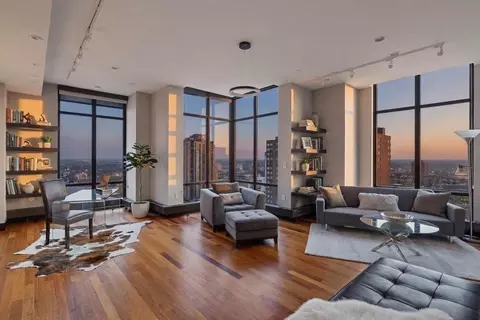
- $1,249,000
- 2Bd
- 3Ba
- 3,216 Sq Ft
New 5 Hours


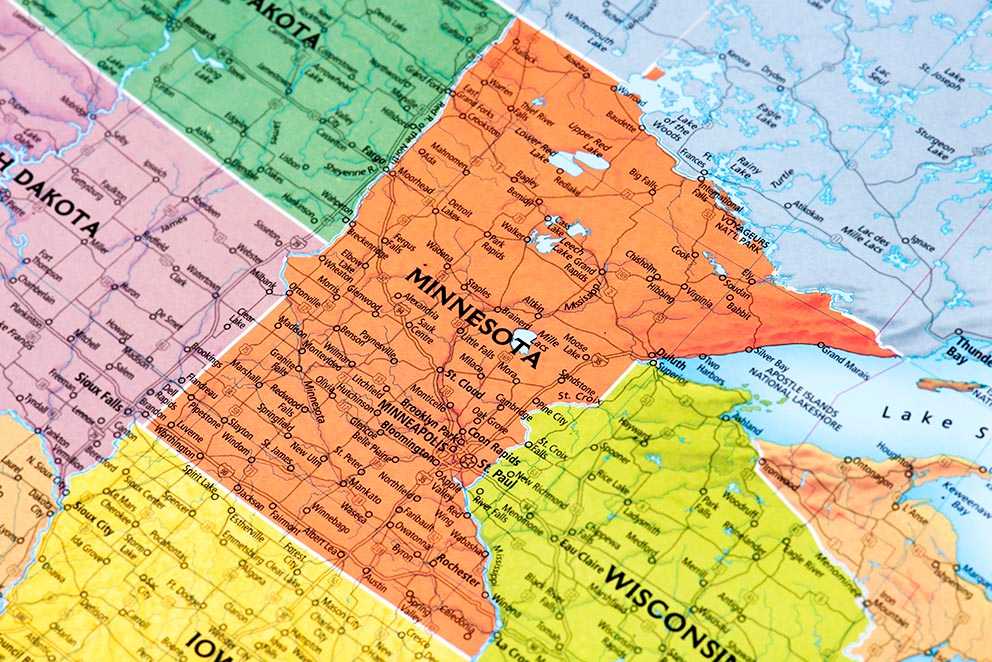
Phillips is a vibrant Minneapolis community conveniently located just south of Downtown Minneapolis. The neighborhood is currently in the midst of a significant revitalization effort, which has resulted in better public transit, more community gardens, and most importantly, improved economic opportunities. There is a lot of promise in Phillips, which could very well be Minneapolis' biggest up-and-coming community.
The Phillips community is an incredibly diverse, tight-knit borough comprised of four different regions: Phillips West, Midtown Phillips, Ventura Village and Phillips East. With a number of large employers, such as Abbot Northwestern Hospital, Wells Fargo Mortgage and Allina Health Care, as well as the newly transformed Midtown Exchange, the Phillips community has become one of the most exciting areas in all of Minneapolis.
As of 2013, Phillips had a population of 19,273 and a population density of 12,282 people per square mile. The neighborhood has a much higher population density than Minneapolis at large, which has just 7,288 people per square mile. Although this may be a downside for some prospective residents, others prefer the proximity of so many other people, especially as the culture of Phillips is so diverse. A whopping 34.9% of residents were born outside of the United States. This is more than double the percentage of foreign-born residents in other Minneapolis communities.
Phillips skews slightly younger than the city as a whole, with females averaging 29.5 years and males averaging 29.3 years. Because of the relative youth of the area's residents, it is only natural that the community is home to more singles than other regions. In Phillips, the percentage of never-married males above the age of 14 is 32.6, compared to just 27.3% of never-married males throughout the rest of Minneapolis. However, other types of households are also common, including those with married couples, unmarried couples, couples with children, and single parents.
Although Phillips is very diverse in terms of ethnicity, religion, and family makeup, most residents share a working class or lower middle class socioeconomic status. Phillips median household income was just $29,974 in 2013, compared to $50,563 in greater Minneapolis. However, economic opportunities in Phillips are currently on the rise, thanks to revitalization efforts in Midtown and the neighborhood's proximity to numerous downtown jobs. Additionally, Phillips residents are able to keep more of their money to themselves, as the average monthly rent is just $585.
Those who are employed typically have jobs that involve the service industry, although offices jobs are also quite common among Phillips residents. A significant minority of workers are employed by schools and libraries.
Residents of the Phillips neighborhood come from all different kinds of ethnic backgrounds and religious viewpoints. With this mix of cultures comes the ability to experience the people and the customs that you wouldn't normally find in the upper Midwest, all from the comfort of this cozy Minneapolis neighborhood. Lake Street, which was once one of the most infamous streets in all of Minneapolis, has undergone a revitalization in the last decade, and the Phillips neighborhood and its communities are at the forefront of restoring this historical stretch of Minnesota road to its past glory. From Asian cuisine at Teppanyaki Grill to East African specialties at Hamdi, to authentic Mexican tacos at Taqueria Los Ocampo, the diverse mix of food options on Lake Street alone perfectly capture the spirit and diversity of the Phillips neighborhood.
Phillips is by no means the fanciest neighborhood in Minneapolis, but there are definite advantages to living in this region. In a city often accused of not being diverse enough, Phillips offers easy access to a wide array of cultures and viewpoints. By living in Phillips, residents can build close friendships with all types of people, many of whom may have been born in other countries. Many prospective residents find this melting pot atmosphere very appealing.
Another factor that enhances the quality of life in Phillips is the ease of getting around. Thanks to its prime location just blocks from Downtown Minneapolis, Phillips residents can enjoy the best of the big city, while bypassing the hassle and stress that comes with actually living in Downtown East or Downtown West. It's incredibly easy to navigate the various neighborhoods of Phillips, thanks to such mass transit options as the Metro Transit bus service and the nearby light rail stations at both Franklin and Hiawatha Avenue. As such, this is one of the best neighborhoods to live in for those who prefer not to own cars. These individuals can hop on the Blue Line at Hiawatha Avenue and ride it all the way to the Mall of America in Bloomington, or take it north and connect with the Green Line.
Those who prefer to get a little exercise often find themselves breaking out their bikes and hitting the Midtown Greenway or Hiawatha Bike Trail. Walkers aren't left out of the fun either; since the neighborhood is so close to downtown, they can bypass the parking fees and traffic headaches by walking to the new Vikings stadium. Minneapolis is one of the most active, fit, and bike-friendly cities in America, and residents who are looking to take advantage of all of the bike paths and walkable routes that the city has to offer will find that the Phillips neighborhood is a perfect launching point and nurturing home for their healthy lifestyle.
Phillips is a quickly growing community in the midst of an impressive transformation. New opportunities arrive every day in this rapidly-changing community. Revitalization projects have already turned Midtown into a small business haven and a bikers' paradise -- and community members are excited to see where these efforts will take the neighborhood next.