Living in the hottest spot of the Sunshine State doesn’t have to cost you an arm and a leg. Especially in these cities near Miami.

- $4,177,900
- 4Bd
- 6Ba
New 1 Hour


If you're looking to make your home in Miami, you can find a home that meets your needs among the homes for sale in Miami, FL. Its inventory includes a mix of luxury condominiums, sunny single-family homes and functional townhouses, so you're sure to find a home that fits your lifestyle. The Miami real estate market enjoyed five years of growth between 2010 and 2015. Median sales prices rose from $132,000 in mid-2010 to about $250,000 in late 2015, a gain of about 89 percent. However, market trends at the end of 2015 may indicate things are slowing down in the city. When you're ready, Movoto Real Estate can help you navigate the changing waters of the Miami housing market.
Overall pricing and changes in property value depend on demand, and in Miami, demand often ties to proximity. The most popular homes are close to Biscayne Bay, the downtown business district or major attractions. That's why bayside neighborhoods like Wynwood and Edgewater have gained popularity.
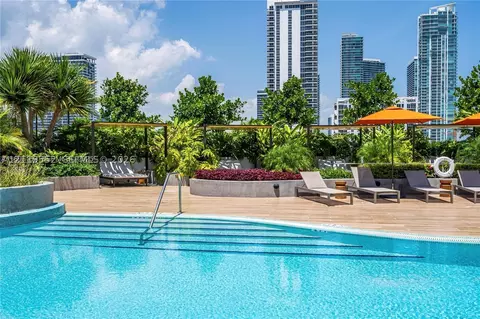
High-value properties like this sunny one-bedroom condo with new appliances and bay and ocean views are close to Miami's Design District, American Airlines Arena, home of the Miami Heat. Real estate market trends in these neighborhoods reflect their excellent location. In 2010, the median sales price in the Wynwood-Edgewater area was about $162,000. In late 2015, the median sales price was close to $395,000, a 144 percent gain.
While proximity is important in Miami, some very affordable neighborhoods have benefited from the overall real estate growth, while other areas with attractive locations have fared well but haven't skyrocketed. For example, home prices in Little Haiti and Allapattah, neighborhoods off the bay, rose about 166 percent between 2010 and 2015. Meanwhile, Coconut Grove, a highly desirable but expensive area south of downtown Miami, didn't match the citywide pace. Homes here, like this spacious four-bedroom property with a large, sun-filled kitchen, a two-car garage and access to private amenities, gained about 78 percent between 2010 and 2015.
If you examine the price per square foot of Miami real estate for different sizes of properties, you'll see something interesting. In Miami, small, one- or two-bedroom homes are much more expensive per square foot than properties with three or more bedrooms. In late 2015, buyers paid between $152 and $159 per square foot for three- or four-bedroom homes but paid $189 per square foot for two-bedroom places and $236 per square foot for one-bedrooms. When you consider these numbers, you can see why developers built more than 28,000 new condominiums, which are often smaller homes, in Miami in 2015.
If you compare the prices of homes for sale in Miami with prices in other Florida cities, you'll see the upward trend here is part of a larger regional pattern. Homes in Orlando matched Miami's pace between 2010 and 2015, with the median price rising from $95,000 to $180,000, an 89 percent gain. Tampa edged ahead of its neighbors; its home prices rose 94 percent in the same period. However, you'll see a big difference when you compare what you get for your money in these cities. The best way to observe this difference is to compare the price per square foot of homes in each city. Orlando offers the most bang for your buck, with houses costing about $110 per square foot in 2015. Tampa is close behind at $121 per square foot. Miami is the real outlier in this category. Miami real estate sold for $176 per square foot in 2015.
Of course, if you look at real estate statistics for cities in other parts of the country that are similar in size to Miami, you'll quickly see it's not the most expensive place to live when it comes to housing costs. Raleigh, North Carolina, and Oakland, California, have about the same population as Miami, but home prices are quite different. Raleigh is cheaper at $124 per square foot, while Oakland is much more expensive, $457 per square foot.
The median sales price of homes for sale in Miami stabilized in the second half of 2015, remaining steady at $251,000 for about six months. The number of property sales also fell from a high of about 3,700 in August to a low of 2,900 in December. While property sales do slow every winter, this drop is the largest in the last five years. This drop may indicate the market is cooling off.
Miami real estate has experienced five years of robust growth that's boosted home prices in both upscale and affordable neighborhoods, but the recent drop in sales volume and flat pricing may mean a slowdown is ahead. Ask a Movoto Real Estate agent about the properties available in Miami, Florida, and find a home that's right for you.