In 2001, hand transplantee Matthew Scott set off Louisville’s top firework show… only a couple years after losing his hand in a fireworks accident!

- $799,000
- 5Bd
- 5Ba
- 4,632 Sq Ft
New 2 Hours


Kentucky bourbon is the only bourbon and if someone tells you different they are sorely mistaken. In Louisville they will tell you at length why whiskey made in Texas or South Carolina—or some other such nonsense—is not bourbon and why Kentucky bourbon is far superior to whatever bastardized beverage you have been sipping. They will tell you it’s to educate and enlighten your drinking experience, but it borders on snobby. If you really want to get them going, pour Coke over it.
But when it comes to basketball, Louisville is a Cardinal house smack dab in the middle of the Big Blue Nation. Kentucky’s basketball fan-base has some of the most rabid fans in the country and the in-state rivalry between the University of Kentucky and the University of Louisville is like some sort of inbred, civil war. Consider that Louisville’s head coach, future Hall of Famer Rick Pitino, coached at Kentucky for 8 years and brought the Cats a National Title before switching allegiance and taking the Cardinals to the ‘Big Dance’ and giving them a championship of their own. It’s said that a Kentucky pervert is someone who likes basketball more than sex. If that’s the case, then Louisville fans are into some kinky stuff.
Louisvillians look at the Kentucky Derby like the Irish look at St. Patty’s Day. Sure, it’s a big deal; they are totally going to get drunk about it; but it’s been going on so long right in their backyard that they don’t get near as wound up as all the tourists who flock to town in their funny hats. Churchill Downs is an institution and no one is knocking the Derby, but for locals the real race happens a day prior to the Derby at the same local. The Kentucky Oaks, or just “The Oaks,” is the counterpart to “The Derby” featuring fillies, and while it is considerably lesser known to the outside world, the race routinely attracts over 100,000 spectators.
Ice and inclimate weather is inevitable every winter and yet somehow, everyone is caught off guard when it hits. The town gets shut down and the grocery stores’ shelves are bare. Every year. And just when you think everyone has caught on and this year no one will be taken by surprise, no one is prepared, there is a giant panic and every anchor on WHAS is squawking that the sky is falling. Every year.
Everyone in Louisville knows how they like their Hot Brown. Most of them have a home recipe and none of them will agree on where to get the best one, but they will be quick to tell you that the signature “sandwich” is the culinary equivalent of the incandescent light bulb. Frankly, much like the bourbon argument, the only real place to get a hot brown is at its place of origin—the Brown Hotel—everyone else is just making imitations.
If you have a hard time finding your way around, the directions people use in Louisville will only get you further lost. Markers can be long torn down and still be the cornerstone of describing how to get you from Point A to Point B. In the St. Matthews area, for example, directions typically start with, “You know where the old SEARS building used to be? Go two streets past that.” In Louisville, if you’re not versed in the town’s history and without a GPS, you’re tough out of luck.
Louisvillians love to defy redneck stereotypes. While everyone else is crackin’ jokes, they’re crackin’ books. Louisville DuPont Manual is rated the best high school in the entire state, producing more National Merit Scholars than any other school, and Louisville St. Xavier is ranked second. The city’s school system is not without challenges to overcome, but people quick to judge aren’t well educated on the subject themselves.
Kentucky has long been seen as a conservative stronghold, but in Louisville they have quite a different stance. While areas surrounding the city are quite red when it comes to politics, Louisville has long had a more liberal outlook and has elected a democratic mayor for the last fifty years. This can quickly turn into a (fried) chicken or egg debate, but the liberal lean has come part and parcel with a burgeoning indie culture. Louisville is becoming known for harboring diverse lifestyles and the city has blossomed as a booming center for independent art, music and business.
That hanky that you see in ever Louisvillian’s pocket? That’s not some hipster high-fashion trend or some habit from the holler, that thing is pure function. Louisville is ranked first in the Asthma and Allergy Foundation of America's 2014 list of the most challenging locations to live with spring allergies. The foundation tracks pollen counts, access to allergy specialists and medication prescriptions but just a quick stroll around town will reveal to you a cacophony of sneezes to the tune of Stephen Foster’s classic, “My Old Kentucky Home.”
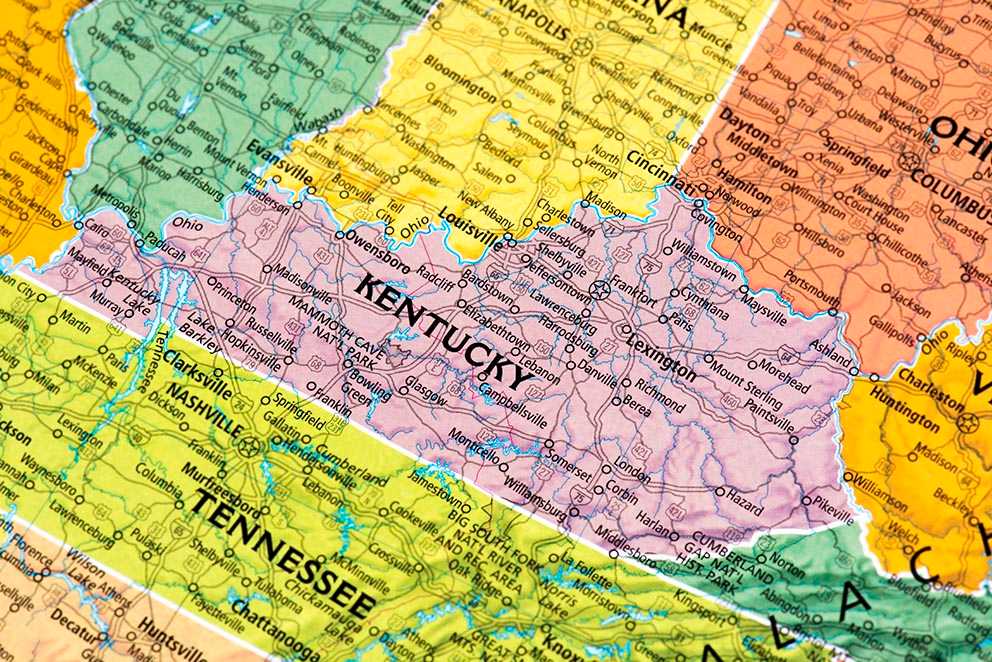
Life in Louisville is a delicate balancing act in the purgatory between the Southern sentimentality of yesteryear and the nuanced nostalgia of what the North was. The Ohio River historically cut the swath between the gentile slave states and progressive proliferation of industry. Louisville’s location on the banks bordering Ohio and Indiana has long given the city’s people and identity crisis. Do they relate more with the rebel secessionists priding themselves as southern belles and gentlemen or the city centrists with their eyes on the sky thinking of the next great innovation? In Louisville, unlike any other place in the states, they are both. The city is prodigious precisely because its people are both rooted in tradition and audacious enough to buck the system. Feature Image Source: Flickr user gavinrobinson