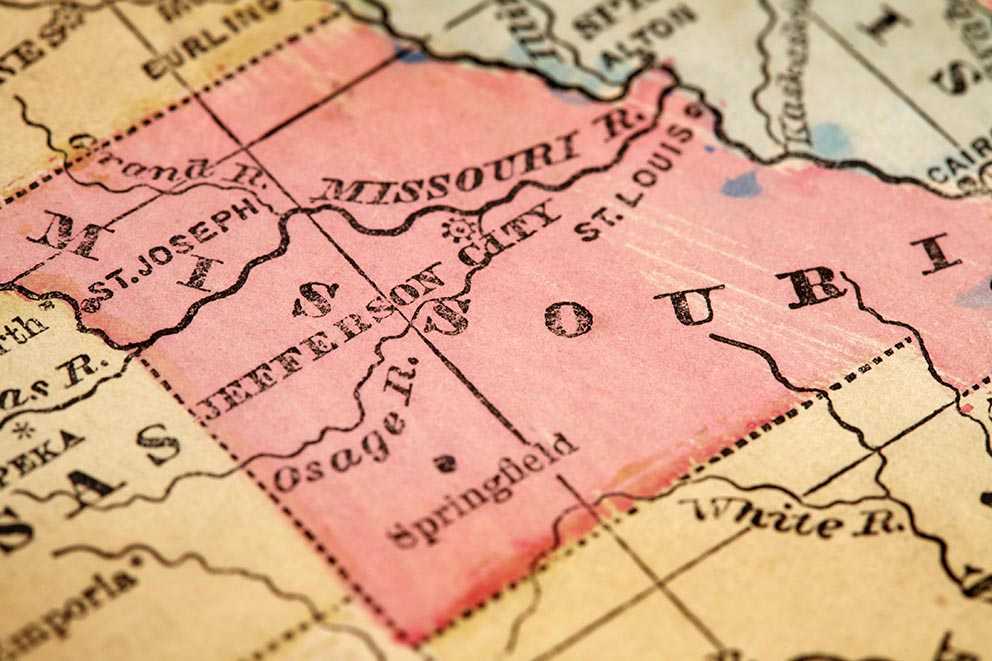
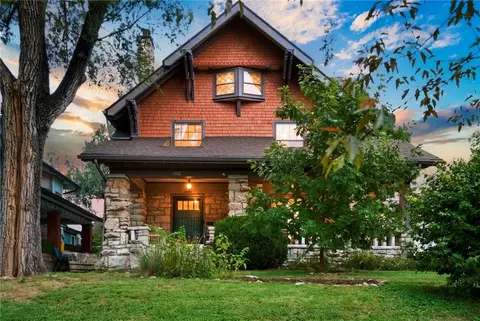
Kansas City is full of surprises. While the name conjures images of cows and cornfields, KC was once known for its sinful ways, and has been home to a number of colorful characters past and present.
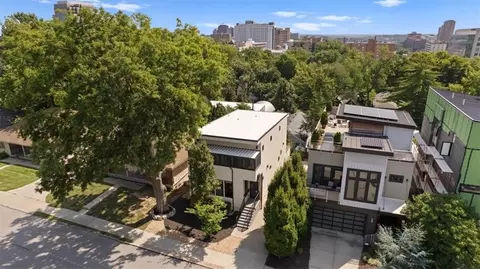
- $799,000
- 3Bd
- 2.5Ba
- 2,176 Sq Ft
New 4 Hours


Located only 20 miles from Kansas City MO, Olathe KS is the second largest city in Johnson County. Comparing the 2010 census to the 2001 census, Olathe has been the fastest growing city in the state of Kansas. The population in 2010 was 125,872. It is well-connected with the major interstates in the area, making a commute to downtown Kansas City MO possible in less than 30 minutes, which is one reason real estate in Olathe KS is in such high demand.

Source:wikimedia.org
In the past year, the list prices of single-family homes have increased by 18% and expected to continue rising. Only six months ago, houses were listing at $350,000 and today’s median list price is $385,000. The median age of 34.5 years is younger than the Kansas average of 36.0 years. The estimated median household income was $75,304 in 2013, compared to that of $50,972 in the state of Kansas. The cost of living index was lower than the US average at 87.6. In the population ranging more than 25-years old, 92.7% have high school degrees or higher and 45.3% have bachelor’s degrees or higher. There are only 2.6% unemployed and the average commute to work is just under 20 minutes. The excellent school system in Olathe KS is one highlight that attracts home buyers to the area.

Source:wikimedia.org
Olathe, which was interpreted as “Beautiful” by the Shawnee Indians, was founded in 1857. It grew quickly and was the largest city in Johnson County. However, there was a lot of violence due to its abolitionist stance. Pro-slavery forces from across the border in Missouri instigated such intense conflict that the state was nicknamed “Bleeding Kansas.” The violence slacked off when Kansas joined the Union in 1861 as a free state. Even so, William Quantrill and his confederate forces led a surprise attack in 1862 where they killed men and robbed businesses and private homes as they wreaked destruction on most of the city. The remaining Union soldiers stationed there surrendered to Quantrill and were forced to take an oath that forbade them from arming themselves against the Confederacy.
This wasn’t the only time that Olathe was threatened by the Confederates. Quantrill passed through the region again on his way to raid the city of Lawrence KS, where he staged a massacre. After the war, Olathe was popular because it was one of the stops on the Oregon Trail, the Santa Fe Trail, and the California Trail. One of the main supply points for the wagons that were on their way west was the Mahaffie House. Today, it is a historical site of interest that attracts visitors who are interested in the history of Olathe.

Source:wikimedia.org
Olathe's cost of living is lower than the national average even though the housing cost is a little higher. The unemployment rate is lower than the national average, at 4.2%, and the poverty rate is less than half the national average. The crime rate is also lower, 1,385 per 100,000 people, than Kansas and the United States as a whole, both hovering around 3,000 per 100,000 people.
The residents in Olathe love the outdoors. There are 35 public parks and several lakes with many hiking and biking trails. Lake Olathe is a popular spot in the summer, with playgrounds, picnic shelters, a boat ramp, and two fishing docks. The lake, which includes a 1,500 ft dam, is centrally located. Another lake is Frisco Lake, which encompasses 24 acres of water and 21 acres of dry land. The park has shelters, tables, grills, electricity, and a gazebo. Other community parks include Black Bob Park, Cedar Lake, Frontier Park, Lone Elm Park, Oregon Trail Park, Prairie Center Park, Two Trails Park, and Veterans Memorial Park. Each park contains different amenities such as walking trails, playgrounds, and picnic tables. The Ernie Miller Nature Center has three walking paths, each rated according to difficulty and length.
Olathe citizens also take great pride in Old Settlers Days, which is highlighted by exhibits and sales of crafts handmade by locals. There is also a carnival, horseshoe pitching, an old-fashioned ice cream social, a flower show, and a parade. The outdoor festivities are accompanied by live entertainment from local musicians.
The Mahaffie House, also called the Mahaffie Stagecoach Stop and Farm Historic Site, is a prime example of the way life was in the 1860s. When stagecoaches began their trek westward from Westport, MO, they would stop in Olathe for supplies at the Mahaffie Stagecoach Stop. Following a rest, the stagecoaches would continue their travels to Oregon, California, or Santa Fe. At the historical site today, there is a Heritage Center exhibit that tells the story of the original Mahaffie family, which incorporates the stagecoach trails through early Olathe. Visitors to the site learn what it was like to live during the era of the Border War. The stone farmhouse built by James Mahaffie is still in existence as well as the stone ice house and the original wooden barn.
These structures are listed on the Kansas and National Registers of Historic Places. There are 20 acres remaining of the farm, and it is situated on the “Westport Route.” Visitors can view and experience what it was like working on a farm from that period, complete with oxen, horses, and livestock. They can also join in some of the chores that a family from the 1860s may have carried out during daily life. The hands-on museum is educational and great fun for all ages.