Falling for someone from the Aloha State has many a perk.
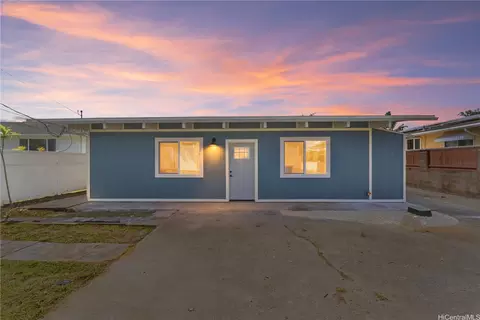
- $1,599,000
- 3Bd
- 2Ba
- 1,364 Sq Ft
New 5 Hours


Hawaii at a Glance
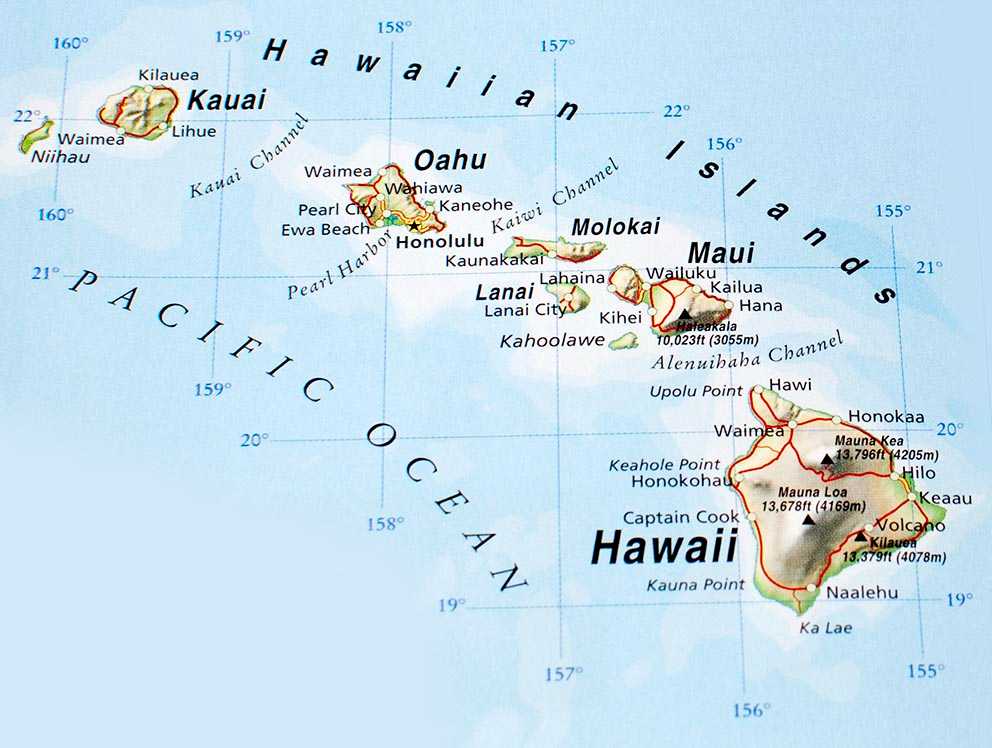
Surfing, hula dancers, and pineapples are just a few of the things that come to mind when you think of Hawaii. Our newest state is an archipelago of volcanic islands. There are hundreds in the chain, ranging from “the Big Island” to little more than rocks showing above the water. The seven largest islands are inhabited. Though the island called Hawai’i is the largest in size, encompassing more than 4,000 square miles, O’ahu is the most populous with more than 950,000 residents. The islands have been a wildly popular tourist destination for decades, as people are understandably drawn to this Pacific paradise. The state’s most popular attraction is Hawaii Volcanoes National Park, which contains two of Hawaii’s three active volcanoes. Kilauea is currently in a state of perpetual eruption, and visitors can witness a river of lava as it flows to the sea. In addition to all manner of water sports, like kayaking, snorkeling, and parasailing, there are plenty of dry land activities. The state’s many inactive volcanoes are ideal for hiking, and the Hawaii Tropical Botanical Garden offers unparalleled island beauty with more than 2,500 species of plant life. Choose from more than 20 golf locations throughout the state, and take in a performance of the Hawaii Symphony Orchestra.
Top Cities in Hawaii
Why You’ll Love Living in Hawaii
Hawaii has one of the lowest unemployment rates in the nation at just three percent. Tourism has been the mainstay of the economy since the islands became our 50th state in 1959. An economic report by the First Hawaiian Bank shows that tourists’ average daily spending in the state has increased nearly tenfold since the recession, with lodging and transportation seeing the biggest gains. The US Department of Defense maintains several facilities in the state, making military Hawaii’s second largest industry. Agriculture makes up another significant portion of the economy; the state produces pineapple, sugarcane, and honeybees. The median household income for the state, about $67,000, is markedly higher than the national median of $53,000. The state’s poverty rate is 11 percent, compared with the national figure of 15 percent.
Living in a tropical paradise comes at a price; the cost of living in Hawaii is 78 percent higher than that of the rest of the nation. Housing prices account for most of this figure, costing an average of 145 percent more than the US median. The median list price for a home in Hawaii is $517,000, and this figure is even higher in Honolulu at $548,000. About 42 percent of residents are renters. The islands weren’t hit nearly as hard by the recession as the mainland was, seeing a selling price dip of just eight percent in 2009. Home prices have skyrocketed in the last few years, representing a strong seller’s market. Sales in Oahu recently surged, and there has also been an upward trend in residential communities in Maui. A University of Hawaii forecast predicts that the median home price in Honolulu will hit the million-dollar mark by 2020, so if you’re interested in Hawaiian real estate, it might be wise to move fast.