Ten best Fort Worth suburbs if you’re looking for the perfect suburb to live in.

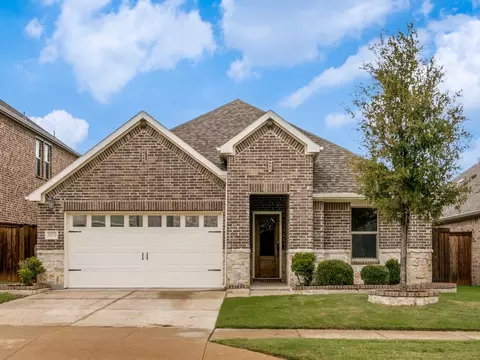
- $695,000
- 3Bd
- 2Ba
- 1,884 Sq Ft
New 7 Min


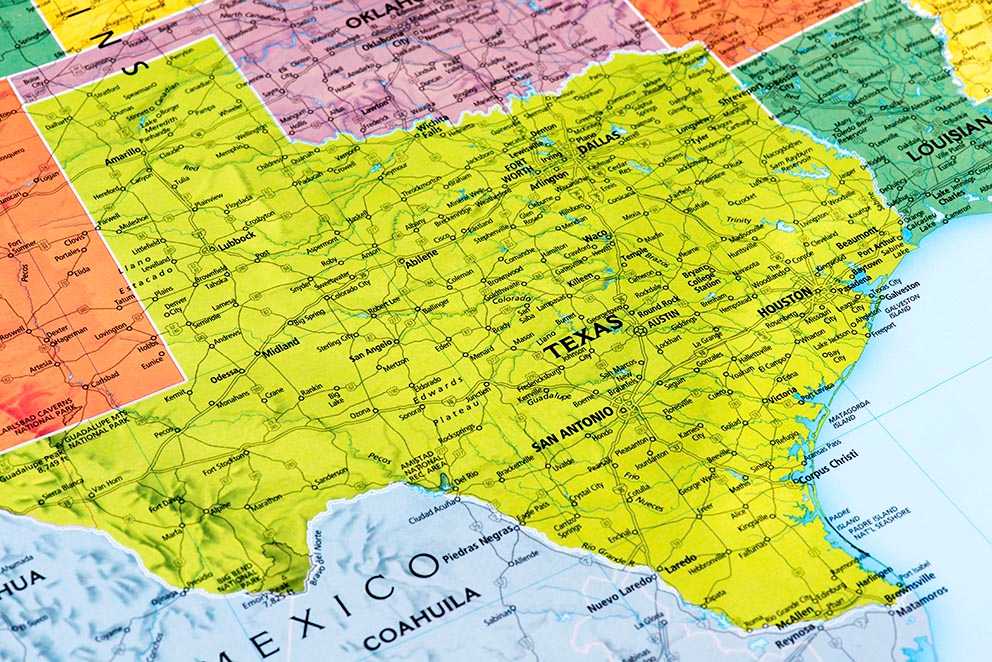
Springtown TX is on State Highway 199, 27 miles northwest of Fort Worth near the northern border of Parker County. In 1856 Joseph Ward of New Jersey settled on the site near a creek fed by numerous springs 17 miles northeast of Weatherford. Three years later Ward designed the town square and named the area Littleton's Springs after a pioneer family. In the mid-1870's the name was changed to Springtown following a petition by the town's 200 residents.

Source: wikimedia.org
The population of Springtown is 91% urban, 9% rural and has grown by 32% since 2000 to 2,722 currently with 50.5% of residents being female and 49.5% male. The median resident age is 39.5 years compared to 34 for Texas overall. Median household income is up to $55,691 from 2000 when it was $36,432. The State of Texas median is $51,704. Per capita income has grown from $14,508 in 2000 to $26,700 present-day. Median house or condo value is up from $80,300 in 2000 to $111,810 compared to the state median of $132,000. The median rent is $724.
The population breakdown by race is:
The population broken down by ancestry is:
Out of residents 25 and older 90% have a high school diploma or higher, 10.7% have a bachelor's degree or higher, and 2.4% have a graduate or professional degree. The unemployment rate is currently 5.5% and the average commute is 30 minutes. The cost of living index is 93.9 compared to the U.S. national index of 100.
The population breakdown by marital status 15 years and over is:
Out of Springtown's entire population, 50 residents are foreign born. Only 1.8% of the city is from foreign soil compared to 16.5% in the entire state of Texas.
The median property taxes paid for housing with mortgages is $2,222 or 1.9% and without a mortgage is $2,065 or 2.1%.
Single-family building permits for new house constructions from 1997 to 2012 have been distributed as follows:

Source: wikimedia.org
The people of Springtown are proud of their roots. Resident place a high value on education. The drop out rate is almost nonexistent but crime rates are a bit high. Citizens of Springtown insist on higher education, and excellent secondary schools. Springtown may be growing into a bigger city , but the warm and friendly residents have helped the city retain its small town charm.

Source: wikimedia.org
Springtown is an excellent place for anyone to live, but especially so for young families if proper precautions are taken to guard against crime. Area Vibes ranks livability in Springtown as follows:
This compares to the overall livability score of both Texas and the United States of 72 out of 100.
According to City Data, the crime rate has remained well under the national average from 2001 to 2013, due to citizens who work well with law enforcement to keep things safe. Crime scores for those years are as follows:
This compares to the national average of 298.8. With a first-rate education, it is no wonder Taylor has grown to the 333rd most livable city in Texas and 4,037th in the United States.
Great Schools rates the school system in Springtown a four out of a possible ten points. The school-by-school ratings are as follows:
People come to Springtown to live in an environment with an excellent school system. While there may not be a huge claim to fame or some unique bells and whistles, you will not hear a single complaint from residents. Springtown has one of the highest populations with college educated citizens in Texas. When educated people come together and settle a city, make a commitment to exemplary education, the result is a place everyone wants to call home.