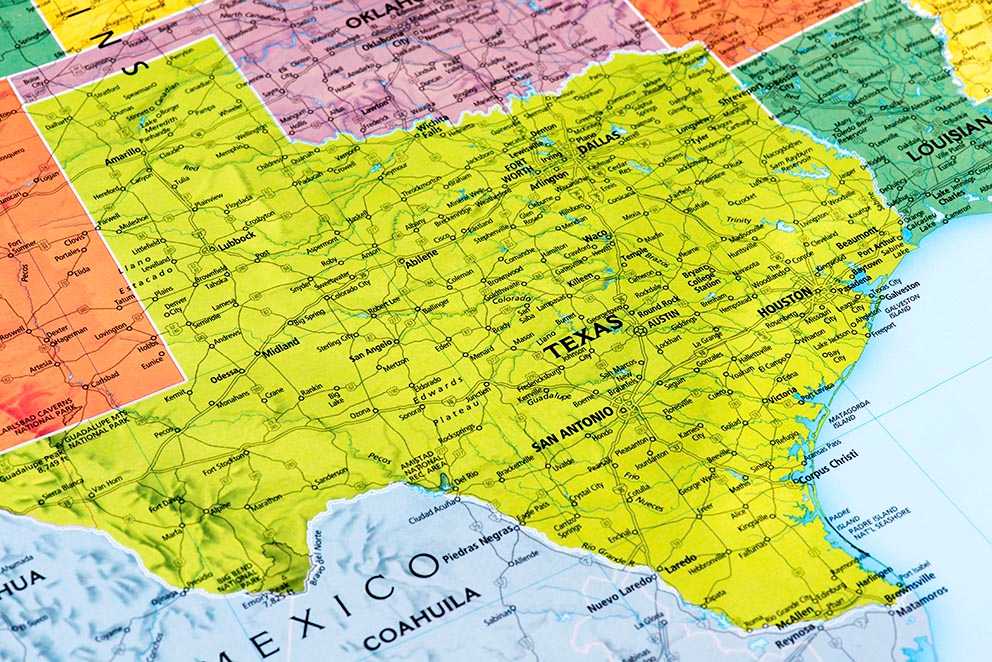
Ten best Fort Worth suburbs if you’re looking for the perfect suburb to live in.
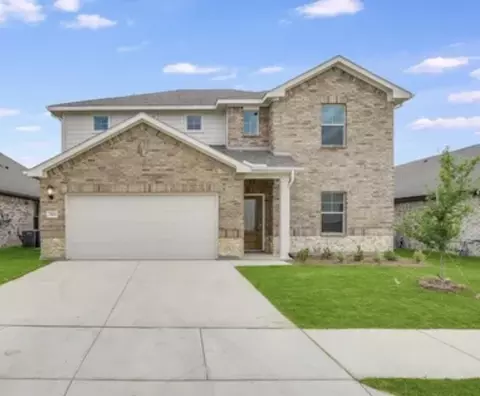
- $409,900
- 4Bd
- 2Ba
- 2,404 Sq Ft
New 2 Hours


Settlers in the Clear Fork Valley of the Trinity River were brought together in 1879 when the Texas and Pacific Railroad built tracks connecting Fort Worth to Weatherford. In 1882 the local post office in Parker County asked that the area distinguish itself with a name since mail was previously only marked with the county name. A railroad official born in Aledo IL honored his home town by naming the area Aledo TX. The population as of 1920 was 400 but as Fort Wort began to expand rapidly, the city, which was incorporated in 1963, benefited from its proximity to Fort Worth and has grown to nearly 3,000 people. Excellent planning and a commitment to academics has forged Aledo into a very affluent small town full of people who place a high value on education from early childhood to college and beyond.

Source: wikimedia.org
The population of Aledo has grown by 67.8% since 2000 to 2,896 currently with a perfect split of 50% of residents being female and 50% male. The median resident age is 32.1 years compared to 34 for Texas overall. Median household income is up to $80,010 from 2000 when it was $54,327. The State of Texas median is $51,704. Per capita income has grown from $21,664 in 2000 to $24,481 present-day. Median house or condo value is up from $88,800 in 2000 to $144,860 compared to the state median of $132,000. The median rent is $1,210.
Average housing prices are as follows:
The population breakdown by race is:
Out of residents 25 and older 98.4% have a high school diploma or higher, 37.7% have a bachelor's degree or higher, and 7.7% have a graduate or professional degree. The unemployment rate is currently 1.9% and the average commute is 27.6 minutes.
The population breakdown by marital status 15 years and over is:
Out of Aledo's entire population, 74 are foreign born with 2.3% coming from Latin America, and 0.3% from Asia. Only 2.6% of the city is from foreign soil compared to 16.5% in the entire state of Texas.
The median property taxes paid for housing with mortgages is $3,281 or 2.1% and without a mortgage is $1,818 or 2%.
Single-family building permits for new house constructions from 1997 to 2012 have been distributed as follows:

Source: wikimedia.org
Many small towns in Texas fall into a state of deterioration due to lack of resources, low income, poor education systems and lack of opportunity. The people of Aledo are very special in the sense that they have not allowed their town to experience that same fate. Residents demand only the best education for their children and are tightly knit by the old adage that "it takes a village to raise a child." Citizens care very much for their neighbors and are very involved with keeping the town beautiful and honoring its history by preserving historical landmarks.

Source: wikimedia.org
The people of Aledo enjoy the country life with spacious land between homes. Since its incorporation in 1963, the City of Aledo has planned and committed to small town excellence in the form of academics and low crime rates. According to Area Vibes, Aledo's crime rate is 65% lower than the national average and is safer than 76% of all cities in the U.S. There chance of being a victim of crime is one in 97. This is accomplished through community cooperation with local law enforcement and neighbor watching out for one another. Aledo's livability is also rated by a school type rating system of A+ to F. The ratings are as follows:
Great Schools ranks districts by test scores and has rated Aledo an eight out of a possible ten points. Only 1.6 percent of students drop out and 38 percent have a bachelor's degree or higher. The people of Aledo have seen how other small towns in Texas have begun to erode over the years due to lack of funding and resources, leading to high drop out rates and crime. Aledo is a wonderful community to raise a family, see your children well educated and safe. The cost of living may be a bit higher than other cities but safety and education for your family is something is well worth it. The unemployment rate is an astoundingly low 1.9 percent making this community a model that others should emulate.
Aledo is well-known is Texas for the way it has distinguished itself from the majority of small Texas towns. As you move farther out from major cities, resources are at a minimum and great teachers become a rare asset. Small towns all over Texas fall into a state of decay and become overrun with crime, drugs, and high drop out rates. While Aledo does benefit from its proximity to Fort Worth, the citizens place an extremely high value on education and safety. The only reason this town has experienced exponential growth is its insistence on spacious country living. Residents don't want cookie-cutter neighborhoods and would rather have well-kept houses on much larger parcels of land.