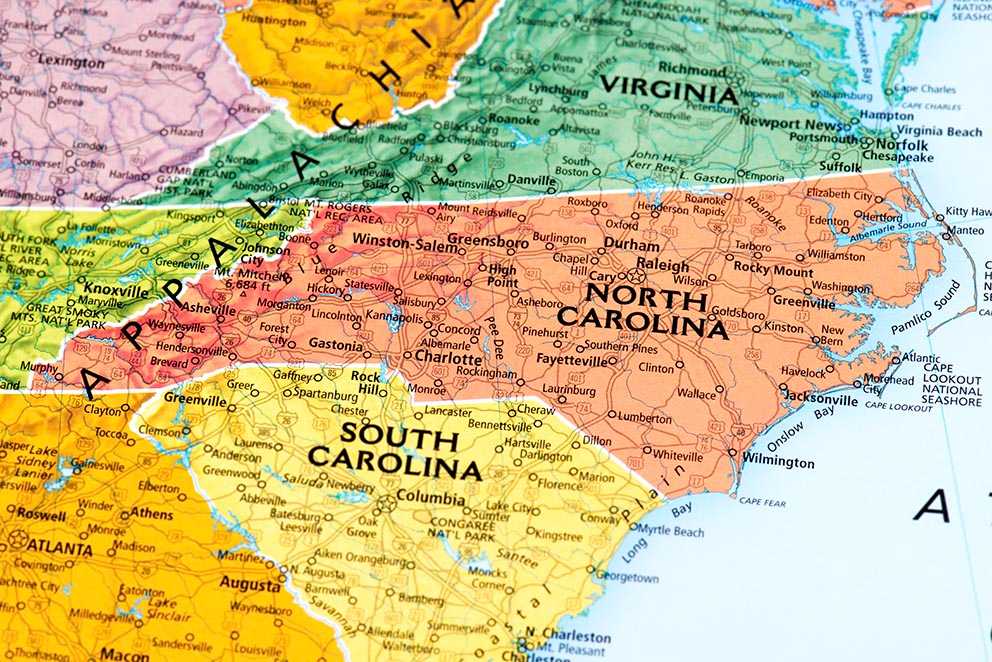
Durham’s got it all: Crazy sports fans, an awesome music scene, and some seriously epic food all wrapped up in a historic Gothic wonderland.
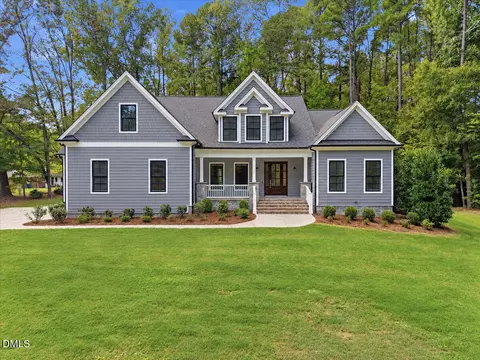
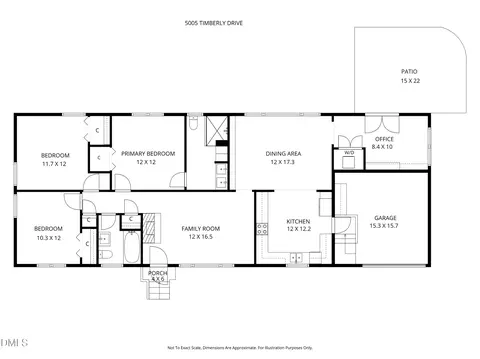
- $1,250,000
- 4Bd
- 4Ba
- 3,898 Sq Ft
New 25 Hours


People from all over the world immigrate to Durham for the same reasons that many native Durhamites stick around for their entire lives: mild seasons, a culturally rich community and close proximity to the most respected medical and educational institutions in the US. Thanks to a stellar public transportation system, lacking a vehicle does not restrict your options when choosing where to live in Durham, NC.
As of 2014, 251,893 people called Durham home. About 42 percent of residents identify as white, and 41 percent identify as Black or African American. The city also has a sizable Hispanic and Latino population (14 percent) as well as a significant Asian American population (about 5 percent). In 2014, the median household income was $47,394 with an average per capita income of $27,156. Summers are humid with high temperatures averaging in 80s during July while Januarys see average lows of 28 degrees. The region usually receives light snow on a couple days each year, but it's rarely enough to obstruct daily life. The median price of homes in all areas of Durham is $201,500, and the median house size is 1,805 square feet. In 2012, the city had a crime index of 5089; the NC average is 3722.
Sports fans in Durham are known for their passion, and they have plenty of reasons to be enthusiastic: The Duke University men's basketball team consistently sells out Cameron Indoor Stadium, and the Durham Bulls Athletic park is home to the city's professional baseball team. Major annual cultural events in Durham include the American Dance Festival, the North Carolina Gay and Lesbian Film Festival, and the Full Frame Documentary Film Festival. The Durham Public Arts Center, or DPAC, attracts thousands of patrons throughout the year with the latest Off-Broadway plays and major international music acts. Dozens of local theater companies, art galleries, and community groups make Durham a unique and diverse city that has something for everyone.
Life in Durham without a vehicle is relatively easy no matter which neighborhood you're in thanks to the city's official bus line, GoDurham. Passengers can pay a flat, one-way fare or purchase multiple trips at a discount. The new Bull City Connector is also run by the city and carries passengers around the downtown and Duke campus areas free of charge. Another bus line, Triangle Transit, carries local passengers between the cities of Durham, Chapel Hill, Raleigh and Cary. Stops include Raleigh-Durham International Airport, Research Triangle Park (RTP), and several suburbs. Triangle Transit even sponsors carpool programs for common destinations and large employers. Durham also has a number of bicycle routes, most notably the American Tobacco Trail, which extends from downtown Durham all the way to Wake County through RTP.
Living in Durham also gives you easy access to other parts of North Carolina and most of the U.S. east coast. From the Durham Transit Station, Amtrak trains travel west to Charlotte and north to New York City with a stop in Washington, D.C. You can get from downtown Durham to downtown Manhattan for little costs and effort. Greyhound and Megabus also operate out of Durham Transit Station and travel to destinations across the country.
Zip Code: 27701
The downtown area has undergone a massive transformation over the past couple of decades from an abandoned industrial neighborhood to an urban center full of restaurants, art galleries, bars and boutiques. The old American Tobacco manufacturing facility is now the American Tobacco District, home to high-end offices and condos. Brightleaf Square and Golden Belt are also former factories that have been re-purposed for residential and retail occupancy. Downtown contains the DPAC, the Durham Bulls Stadium and the Carolina Theater, which shows independent and repertory films throughout the year in addition to hosting music and comedy acts. The Durham Farmers' Market takes place every Saturday in Central Park where teens and young adults can be seen performing tricks on a 10,000-square-foot skate park. This area is naturally a hot spot for Durham's many food trucks.
Zip Code: 27713
In Durham, "Southpoint" is synonymous with The Streets at Southpoint, one of America's largest shopping malls. Given the large number of restaurants, retail stores and things to do, nearby neighborhoods are extremely popular, and several city and regional buses service the mall area. More than just a shopping Mecca, the Southpoint area is close to Jordan Lake, a great spot for biking, hiking, boating, and camping where you're likely to spot bald eagles, ospreys, and waterfowl. Cyclists and pedestrians have easy access to downtown via a six mile long paved trail that begins at Southpoint Crossing. On the way there, you'll pass through Solite and Shady Oaks parks where locals come together for cookouts, volley ball, tennis, and basketball. Plans are in the works for a bridge over Interstate 40 that connects the Southpoint Crossing Trail to the main American Tobacco Trail, which makes the total trail over 30 miles long.
Zip Code: 27705
The area around 9th St. has a college town vibe complete with locally owned coffee shops, bookstores and bars. A great area for walkers and runners, Duke's campus is known for its beautiful Gothic architecture with Duke Chapel as its centerpiece. Living near Duke puts you close to the Nasher Museum of Art and several venues that host student performances throughout the school year. The serendipitous Duke Gardens are popular for picnics and weddings while Duke Forest, a 7,000 acre research forest owned by the University, has a ten mile trail that is open to bicyclists, hikers and horseback riders. Named after Duke's winningest track coach, the gravel Al Buehler Cross Country Trail keeps the neighborhood in shape. Duke has its own campus bus system, and several city and regional buses have stops on 9th st, which makes this area convenient for students who don't own vehicles.
Zip Code: 27701
Hayti, which was once called the Black Capitol of the South, is home to the oldest historically black university in the U.S. Historic homes surround North Carolina Central University's campus, and several commercial centers cater to students and residents. The construction of the Durham Freeway in the middle of the 20th century separated Hayti from downtown for decades, but the R. Kelly Bryant, Jr. Bridge officially opened a few years ago, which means residents can now safely walk or bike from one side of town to the other. A great way to get to know your neighbors is to visit The Hayti Heritage Center, which offers exercise, dance, and martial arts classes in addition to providing office space for nonprofit organizations like the Youth Organizing Institute. The center sits across the street from a 400-seat performance hall located in the former St. Joseph's AME Church, which hosts community concerts and plays.