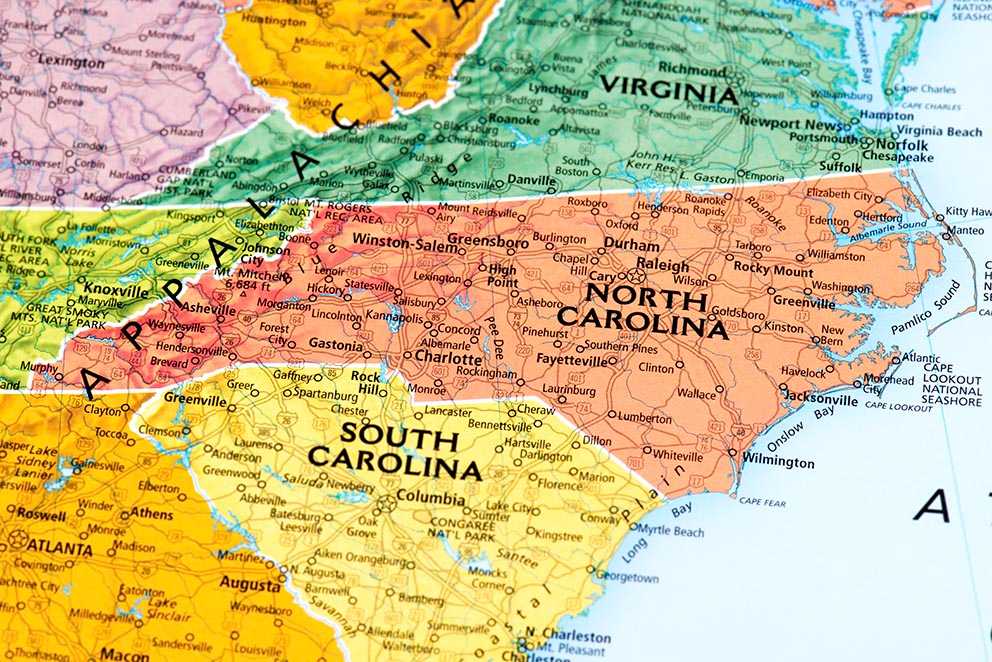
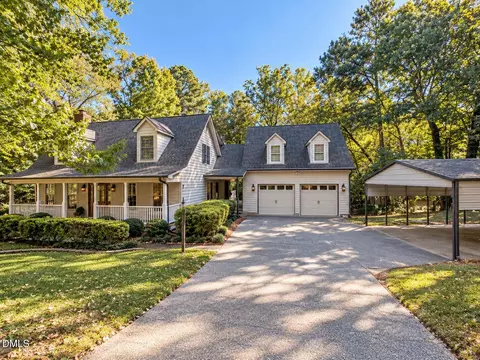
Durham’s got it all: Crazy sports fans, an awesome music scene, and some seriously epic food all wrapped up in a historic Gothic wonderland.
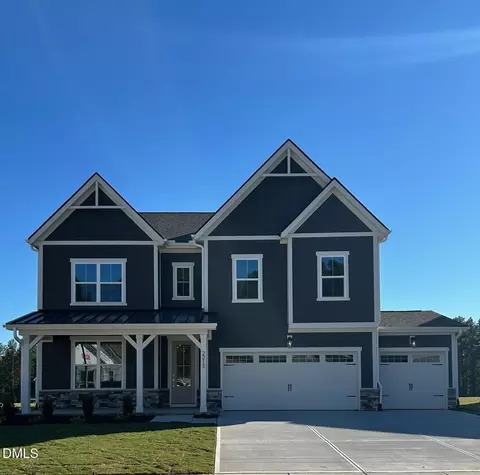
- $734,900
- 5Bd
- 5Ba
- 3,570 Sq Ft
New 18 Hours


Durham NC real estate has typically performed stronger than the U.S. average due to the popularity of the Triangle area among new and out-of-state residents, as well as investors. Healthcare, technology and higher education all play an important role in the growing local economy. Forbes and CNN Money have repeatedly cited the city as a favorable place to live or conduct business. Historically, it was subjected to the same strains as the rest of the nation during the 2008 crash, but recovered more quickly than most of the country and has remained stable throughout the following years. The Triangle area has also consistency remained a “market to watch” by organizations such as the Urban Land Institute. Job opportunities and moderate house pricing have contributed to the Triangle’s high demand among buyers. However, current inventories have not kept up with the growing demand, and local agents have had to deal with the shortage. During the peak season of 2015, sellers would often receive three to four offers the day a property was listed. The fall and winter seasons have proven to be more accommodating to buyers, albeit, still with limited inventory of which to chose. The market’s performance also has contributed to consistent price increases for housing in Durham NC.
Like most other cities in the U.S., Durham has made a considerable rebound from the market crash in 2008, but the effects are still being felt. The Triangle was no exception during the time when home sales sharply decreased, builders left town and new construction projects were halted before they could finish. But only two years later, Durham was highlighted as one of the few favorable locations to invest in real-estate property. Prices started stabilizing here much faster than other parts of the country, in part thanks to the fact that 40% of the area jobs are in healthcare, education and government. Durham is home to Duke University and is near the University of North Carolina-Chapel Hill, and is also nearby Research Triangle Park, which is home to some of the biggest names in hardware, software and biotech; like IBM, GlaxoSmithKline and Nortel Networks. These conditions also made the Triangle ideal for investors, who have taken a particular interest in the Raleigh and Durham areas which both have an increasingly educated and growing population, as well as a diverse economy employing its base. As a result, Durham’s population and buyer base continues to grow -- whether or not the inventory can keep up.
Currently the Durham NC real estate market has made considerable improvements since the housing bubble burst, but it remains a “seller’s market” with more buyers than there are houses available. Local real estate firms believe many residents are content to stay in their current homes, perceiving new real estate ventures as an unnecessary risk after the last market crash. Also fueling the seller’s market is the Triangle area’s popularity to new, out-of-state residents. It remains a favorite relocation spot for families and retirees, and the Triangle cities (Raleigh, Durham, Chapel Hill and their suburbs) continue to see new residents flocking in from the North and the West, who despite the continued upward trend in house pricing, are still happy to see lower prices than the cities they are leaving.
The outlook for Durham real estate remains favorable and slated for a conservative growth trajectory, although its favorability among investors has started to diminish slightly. The local branch of the real estate market research firm, the Urban Land Institute (ULI) also noted a re-focus on suburban areas for 2016.