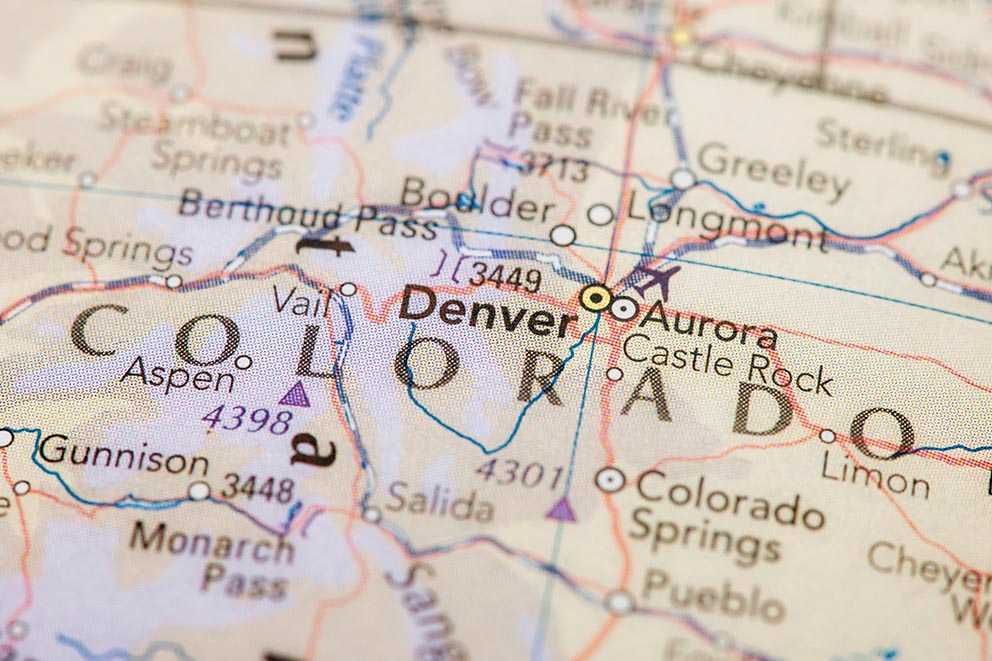
From close-knit kid friendly suburbs to thriving smaller cities, these are the best of the best near Denver.
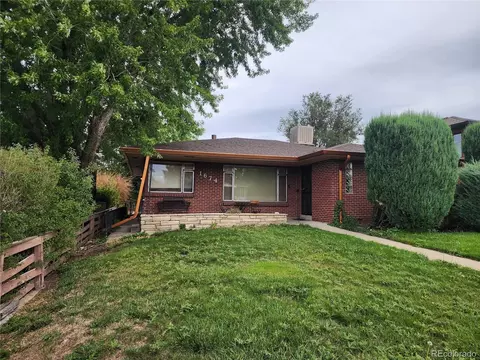
- $2,700,000
- 4Bd
- 2Ba
- 2,013 Sq Ft
New 1 Hour


People like to move it, move it in the super healthy, upwardly mobile neighborhood of Washington Park Denver, which stretches from East Alameda Avenue on the north to East Louisiana Avenue on the south and reaches from South Downing St. to the eastern boundary of South University Boulevard. By "move it," we refer to the neighborhood's penchant for a healthy, active lifestyle rather than turnover of housing. Washington Park is a stable neighborhood where homeowners stay put even during economic downturns, including periodic boom-bust cycles in industries such as aerospace, construction, energy, high tech and mining. The urge to stay in this fit, friendly, garden-proud neighborhood has caused many residents to renovate, add up or raze and rebuild as their families grow.
Washington Park is the 161-acre oasis for which the neighborhood is named. Although extending the length of the area's western edge, the park is the heart of this physically fit community of 7,300-plus residents. The park is home to a large recreation center and playground as well as winding paths, playing fields, flowerbeds and lakes. It's a haven for biking, canoeing and kayaking, fishing, folk dancing, joining pick-up basketball games, picnicking, playing team lacrosse and soccer, practicing tai chi, pushing strollers, rollerblading, running, swimming, dog walking, slow walking, speed walking and you name it. Although Washington Park may arguably be Denver's neighborhood with the most active lifestyle, it is part of a metro area that emphasizes fitness and outdoor recreation. In 2015, the American College of Sports Medicine placed Denver among the top 10 major cities in its American Fitness Index. Colorado's Rocky Mountains have shaped this go-go culture. Mountain camping, hiking, biking and winter sports are only about 90 minutes to 2 hours away depending on your destination. However, you may also see locals snowshoeing or cross-country skiing along neighborhood streets and in Washington Park following a major snowstorm.
Washington Park is a community of young singles, married couples, families and older folks who aren't quite ready to downsize. More than 50 percent of houses are home to two to three people. Small families are the rule. The neighborhood is part of zip code area 80209, which also includes West Washington Park and the Speer and Country Club neighborhoods to the north. The entire zip code area tends to be well educated with nearly 70 percent of residents holding associate, bachelors or graduate degrees. Viewing the population by age, the largest group (37%) is 25 to 39 years old. The percentage rises to 70 percent when residents 40 to 64 years old are added in. Education, medicine and professional employees -- such as architects and lawyers -- are the largest occupational groups. However, this part of south Denver encompasses a broad variety of workers, including artists, realtors, retailers and warehouse workers. Income ranges from less than $30,000 to more than $150,000 or more per household.
The area defined by zip code 80209 once was dominated by small brick bungalows, but it began changing dramatically in the last 20 years. Renovation, including second-story additions, and the razing of old housing for new construction have significantly changed the look and home prices of Washington Park and surrounding neighborhoods. Now you'll find lots of stucco in addition to brickwork. Furthermore, the median home price for the entire area has grown to nearly $415,000 with a median size of 1,853 sq. ft. Area home prices range from about $300,000 to $2.5 million with a median price per square foot of $223. More than 50 percent of the houses in Wash Park and surrounding areas were built before 1950. Overall, the original housing stock tends toward simplicity with one to three bedrooms being the rule. Within the boundaries of Washington Park, median prices may be even higher than in area 90209 overall, because prospective Wash Park home buyers often offer more than the asking price for a property. However, this is a neighborhood with cache, especially for young professionals. So new owners who do have to move sooner than anticipated can expect good resale value.
Denver has a large school district with many kinds of magnet schools offering special emphases (such as schools for the arts and experiential learning). Due to Colorado's 1990 Public Schools of Choice Act, you may enroll your student in any school that has room for you anywhere in the district or in another district. Consequently, in addition to a number of private schools, residents have a wealth of public school choices. The only major drawback about enrolling outside of your neighborhood school boundaries is that parents generally have to provide transportation to and from school. Other educational opportunities are available through branches of the excellent Denver Public Library. Locations within two miles of Wash Park include the cozy Ross-Broadway (33 E. Bayaud Avenue), Eugene Field (810 S. University Boulevard), Ross-Cherry Creek (305 Milwaukee Street) and Decker (1501 S. Logan Street).
Washington Park includes two manmade lakes and a small, charming duck pond. The lake at the north end of the park, Smith Lake, originally was a natural depression in the land in which buffalo likely wallowed following rain. The wallow became a lake in 1867 after it was connected by ditch to the South Platte River for irrigation purposes. Design of the park began in 1889. By 1913, the city built a grand bathhouse for Smith Lake. People took dips in the lake -- the South High School swim team even practiced in it -- until the 1950s when swimming ended due to concern about polio and bacterial hazards. Swimmers now enjoy a 25-meter, 6-lane indoor pool in the city's Washington Park Recreation Center. These days, if anyone wants to wallow -- minus buffalos, of course -- or celebrate, it can be done with a bit of wine or beer in one of the neighborhood's many restaurants in the Old South Gaylord shopping district or further east on South University Boulevard. You can get to either locale from anywhere in the neighborhood via a leisurely stroll.