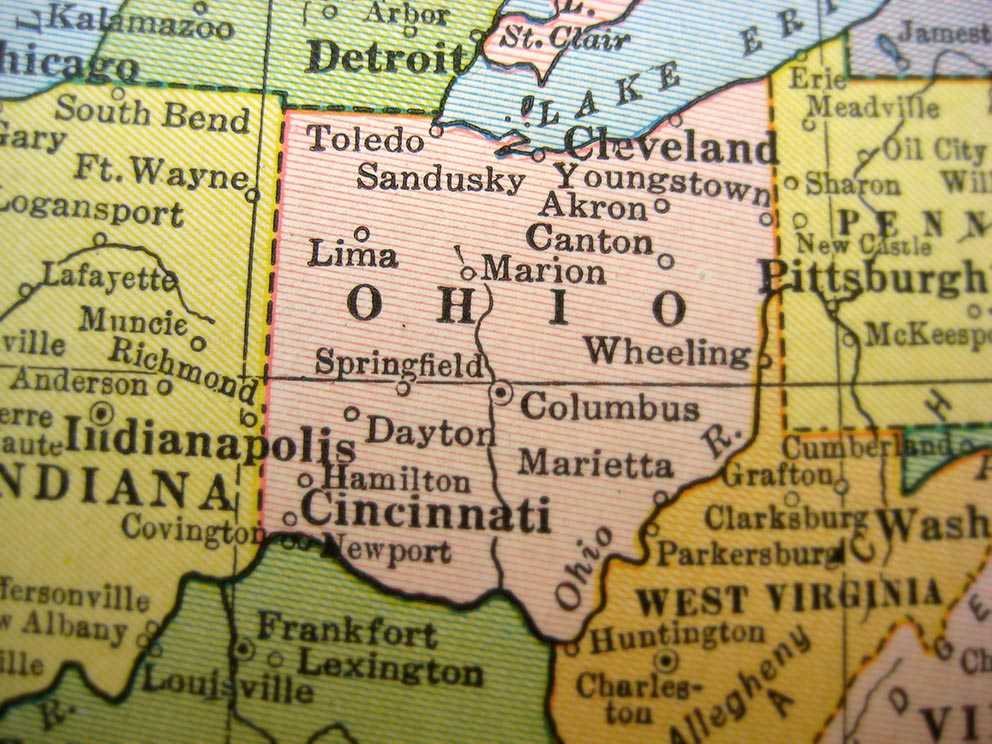
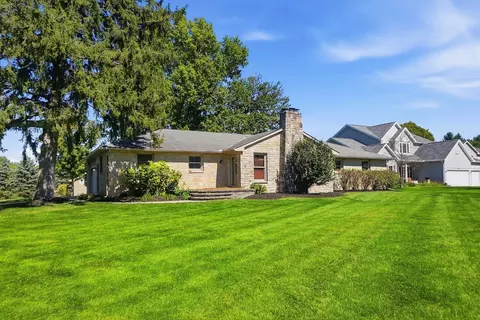
These Columbus suburbs are the best of the best places to live if you are looking to settle down near the city.
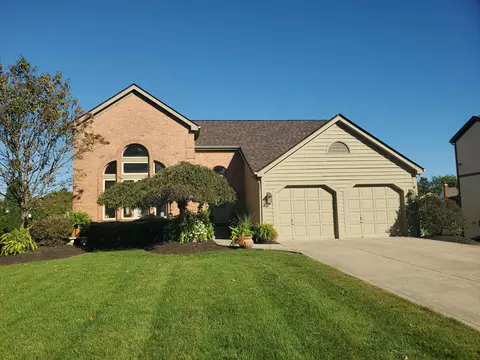
- $649,000
- 3Bd
- 4Ba
- 3,685 Sq Ft
New 20 Min


Known for its rich history, family-friendly activities, and well-maintained outdoor spaces, the Columbus suburb of Grove City is popular with commuters of all life stages. Located just 10 miles from Columbus, Grove City owes its start to the railroad. In the late 1800s, the railroad brought residents into and out of Columbus every day for free if they shipped goods on the train. Today, Grove City is one of the largest and nicest of the surrounding suburbs and continues to draw residents with its edgy arts scene and upscale shopping.
Grove City has something for everyone, and that means that the city's residents are scattered across many different categories. The city is home to just under 40,000 people, and approximately 75 percent of those are originally from Ohio. Five percent hail from another Midwestern state, and 9 percent are from the South. Only 4 percent of residents were born outside of the United States.
Grove City's low cost of living and high quality of life attract married couples and established families, but there's also plenty of room for young singles and retirees. Twenty-three percent of households are married with children, and another 22 percent are married without. However, around 19 percent are one-person households, and 24 percent are non-family households. The two largest age categories are 40 to 64 and 25 to 39, coming in at 34 and 22 percent, respectively. Twenty-six percent of residents are under the age of 18, and 11 percent are over the age of 65. The smallest category, accounting for 7 percent of the population, are aged 18 to 24.
While Grove City has plenty of amenities and shopping opportunities, most of the culture is more middle class. The median household income is $65,429, 26 percent higher than Ohio's average but still under that of some of the wealthier suburbs. Forty-three percent of households bring in $30,000 to $74,999 annually, while another 32 percent make $75,000 to $149,999. Nineteen percent earn less than $30,000 a year, and only 6 percent of households have an income of more than $150,000.
While 90 percent of Grove City's residents have graduated high school, just less than half are college graduates, and only 7 percent hold advanced degrees. The top industries in the area are education and health care, accounting for 21 percent of residents. Sales and other professional industries take the second and third spots with 14 and 11 percent, respectively. Approximately 23 percent of residents — including the categories of construction, manufacturing, and transportation — work in blue collar industries.
Residents of Grove City look forward to the festival season, with the Wine and Arts Festival and Arts in the Valley being especially popular. The Wine and Arts Festival is usually held in June and brings in tens of thousands of people from across the state. The festivals includes on-site wine tastings, food, and a variety of wares from local artists. The Arts in the Valley celebration is held in the Town Center every September. Residents can peruse and purchase crafts and pieces from local artists of all kinds and enjoy the live music.
For those who want to experience a bit of the local history, there is the Gantz House and Century Village. The Gantz House was added to the National Register of Historic Places in 1979 and was built in 1832 out of handmade bricks. Century Village is housed at Fryer Park and is a walkable reconstruction of what Midwestern America looked like in the mid-1800s.
While many of the city's residents commute to Columbus for work — spending only 22 minutes driving one way — there's no need to leave the suburb for play. Amenities within Grove City include locally owned boutiques and specialty stores, art galleries, and parks equipped with miles of hiking trails and an aquatic area where residents can cool off in the summer. Most of the city's unique shops are located in the downtown area known as the Town Center, but major retailers and chain establishments can be found just a little ways away in Parkway Centre off of Stringtown Road.
Outdoor recreational opportunities abound at Battelle Darby Creek Metro Park, which features miles of walking and hiking trails, a staffed nature center, and a fishing pond that is dog friendly. Evans Park gives residents the chance to cool off during unseasonably warm summers. The splash pad and water slides are popular with the younger demographic, while adults can relax in the shade or get some low-impact exercise in the lap pool.
The city is also home to the Southwest Public Library, a bowling alley, and convenient public transit. Grove City is served by the South-Western City School District, but there are also a few private schools in the area as well. The public school system is the sixth largest in the state and boasts above-average test scores and a high graduation rate.
While the local amenities are certainly a big draw, Grove City's surprisingly affordable housing is another reason residents choose to call this suburb home. While the median home price in the city is $180,000 and the average size 1,826 square feet, no matter what kind of home you're looking for, Grove City probably has it. About half of the properties in the city have three bedrooms, and 21 percent have four. If you're looking to downsize, a full 22 percent of homes have only two. Most properties in Grove City were built after 1950, with an even 47 percent each built from 1950 to 1989 and from 1990 to present. Only 6 percent of homes were built before 1950. Among properties for sale, you'll find everything from split-levels and ranches to more modern homes with open floor plans.
Bottom line: With its many amenities, low cost of living, and affordable housing, Grove City is hard to beat if you're looking for a pleasantly busy suburb with an active arts and culture scene.