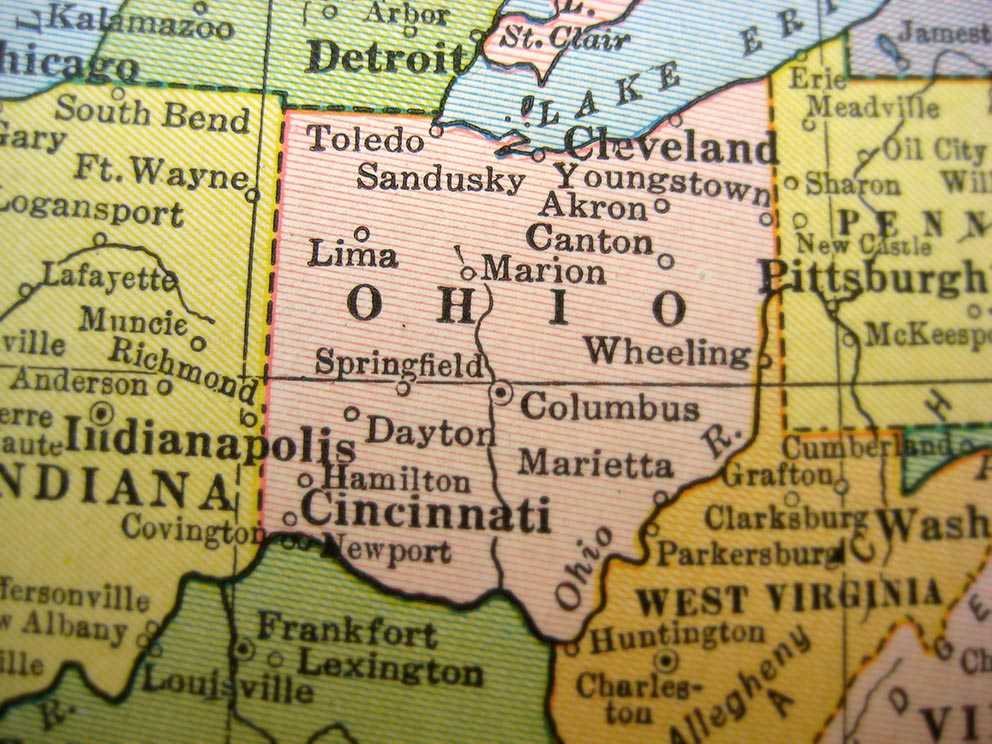
The list of 50 things you might not know about The Queen City - Cincinnati.
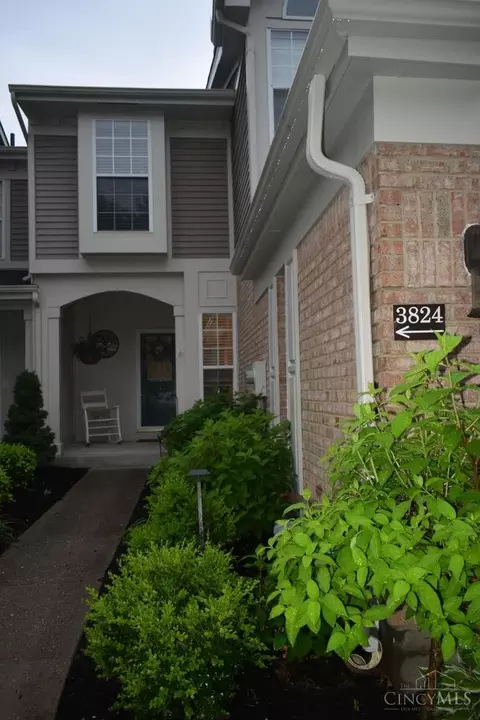
- $1,499,000
- 3Bd
- 4Ba
- 2,061 Sq Ft
New 1 Hour


Lying on the eastern hills around Cincinnati, Ohio, Walnut Hills is an historic village that is listed as the oldest of all the city suburbs. Walnut Hills retains all the charm of a bygone era and is home to some of the largest and most beautiful brick homes (circa 1939) in the region, featuring yards with gigantic trees and quiet streets.
Approximately 6,495 people make their home here on just 1.253 square miles, marking this as a densely populated area. There were 3,337 households as of the last census and 4,445 total occupied housing units. The majority of the population is black and it's a nearly a 50/50 split between male and female residents. The average household size is two people. Almost 12% of the population are married which is much lower than the rest of the city at 17%. In Walnut Hills, 45% of all households are made up of single-Moms.
The median home value in 2010 was $245,852. The average rent is $412, about $100 per month less than averages across the rest of the city. The median household income is $25,665, almost $10,000 less than Cincinnati residents take in annually. Home values are high and the cost of living is very low. A new influx of residents have been buying the stately brick mansions and renovating them.
The housing market picked up in 2015 with the best numbers since 2007. Employment is down to 7.7%, which is half of the rate of the rest of the city and far lower than the state.
In it's heyday, Walnut Hills was really the second downtown area in Cincinnati. It had exciting and interesting architecture, great shopping, live music and busy marketplaces. There was the Paramount and Orpheum theatres, and many restaurant choices. Cable cars trolleyed residents up and down the cobbled streets of this village.
Today the community has banned together to restore Walnut Hills to its former glory. There is a community garden where residents can grow their own vegetables. There is a weekly farmers market in the summer. Every indicator that urban renewal is the new norm has created a positive feeling in this urban, historic neighborhood.
Walnut Hills residents have continued to embrace diversity throughout this resurgence. Historically, the community was part of the Underground Railroad; the movement to send slaves north to freedom. The historic home of Harriet Beecher Stowe, author of Uncle Tom's Cabin, still stands in Walnut Hills and is a frequent tourist attraction. This spirit of social justice permeated this community where all colors and incomes live together, working to keep this history alive as they rebuild their community.
A 2015 Cincinnati Magazine article discussed some of the renovation projects that have begun this year: projects which will breathe life back into the old buildings lining the main streets of this community. Each of these projects has involved partnerships with residents and outside investors as the community seeks to infuse new blood back into this historic but recently neglected neighborhood.
Walnut Hills gets an Area Vibes overall rating of "A." Their overall livability score for this community is 74%. It's 4.9% less expensive to live in this community than the rest of Cincinnati. Yet Walnut Hills received an "F" for crime. For every 100,000 residents, there are 5,594 incidents of violent or property crime. With that said, crime is trending downward and has been reduced in the past few years by 4%.
Walnut Hills has struggled to define itself over the years. After WWI the large estates that make up the area began being subdivided into apartments. In the 1950 census the ethnic make up was 71% white but by 1960 Walnut Hills was 52% white. In 1960 the overall population of the community was 20,658 but a population migration to other suburbs was occurring and the community dropped to an all time low of 9,907 in 1980. Residents today are committed to rebuild this historic community to its former glory.
There is every indication that Walnut Hills is on the upswing, with announcements of community redevelopment in 2015 that will pump more than $10 million into rebuilding some of the most historic buildings in the city. The community is also investing in providing grants for new homebuyers that will help them restore residences that have been neglected for years.
Walnut Hills is known today for an urban mix of crime statistics and ornate sprawling buildings fallen into decay. A large portion of the homes and mixed-use buildings within Walnut Hills has been listed on the National Register of Historic Places. Huge brick Victorian homes stand next to architectural standouts such as the Walnut Hills Library and Walnut Hills United Presbyterian Church tower. The town is statuesque and grand, making it a coveted community for new homeowners to consider. The school system consistently ranks in the top 100 and has a robust sports team.
The eastern part of the community is known for eclectic new shops located in renovated old homes.
Walnut Hills is a community that is reinventing itself. Once an architectural gem in the area, it fell into disrepair and urban blight. A recent resurgence is attracting new residents into the area. No matter how quickly or slowly the pace of this rebirth occurs, residents will continue to uphold and protect their embrace of diversity and history of fighting for social justice.