The list of 50 things you might not know about The Queen City - Cincinnati.

- $289,900
- 4Bd
- 2Ba
- 2,022 Sq Ft
New 2 Hours


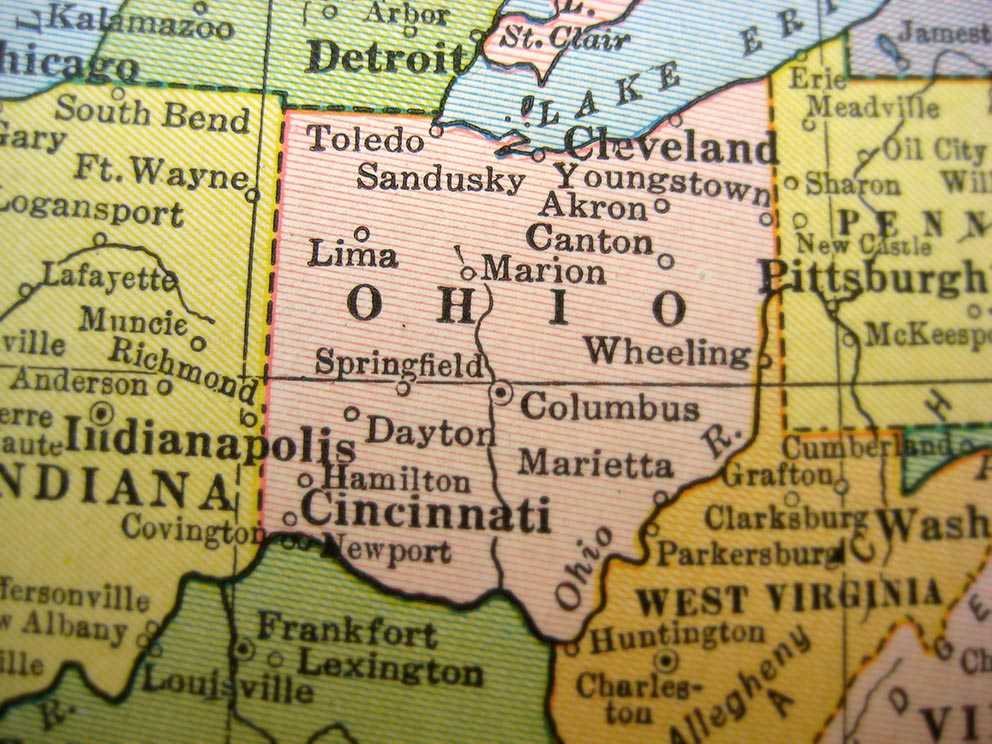
Cincinnati, Ohio, is located in the extreme southwestern corner of the state. The city sits right on the Indiana and Kentucky border and is part of the tri-state area. When settlers first came in 1788, the biggest draw was its location on the Ohio River, but today, Cincinnati's major industries include insurance, financial services and education. Proctor & Gamble and Macy's both have their headquarters in Cincinnati, but the city's biggest employers include Kroger and the University of Cincinnati. Whether you're thinking about coming to the city for a job offer or just a change of pace, the laid-back vibe and low cost of living are just two reasons to make this city your new home.
The cost of housing in Cincinnati is approximately 30 percent below the national average, which can be a sizable change in the positive direction for your budget. While the housing market is rebounding and list prices are higher than they were just a year or two ago, the median list price for a Cincinnati home is about $123,000, or $87 a square foot. When you compare this to the national average list price of $181,000, it's easy to see why people come to Cincinnati. You can find an even bigger bargain in neighborhoods like West Price Hill, Westwood and Roselawn, where the average home price hovers closer to the $100,000 mark. If location is more important than price, take a look at the Mount Airy and Over-the-Rhine neighborhoods, where houses run closer to $130,000. Rental rates stay between $550 and $700 a month throughout most neighborhoods, with $630 being the city average. This is significantly less than both the national ($889) and state ($710) averages. The Central Business District is one of the most expensive neighborhoods for rentals, where monthly rates jump to over $800.
If you're planning a move to Cincinnati, one of the few budget categories you may need to expand is household utilities. Energy costs run 18 to 27 percent higher than the country's average, depending on whether you are using electric or gas. Summer temps in Cincinnati normally don't rise above the high 70's, so most residents find they can cut costs by skipping the AC. Heat is a must in winter, though, with average temperatures staying right around freezing, but below zero dips are common. However, you'll still save money on insurance and landline phone service, which run approximately 24 and 11 percent lower than the rest of the nation.
While residents living in the Corryville or Over-the-Rhine neighborhoods enjoy decent walkability, most people in Cincinnati find a car to be a necessity. The city has been trying to add more bike paths and trails in recent years, but they are still few and far between. If you're living downtown, you may be able to get around via the METRO system, which costs only $70 a month for busses servicing Cincinnati proper only all the way to $170 a month for unlimited travel to any stop on the Southwest Ohio Regional Transit Authority.
If you do have your own vehicle, gas and upkeep should be reasonable. Cincinnati's gas prices run about 3 percent lower than the rest of the nation, and most routine car maintenance services cost about 5 percent less than other cities. Gas tends to be lower at pumps in the Reading and Springdale areas, and you might pay a few cents more per gallon if you're living in west Cincinnati or Camp Washington.
A shopper's paradise, it's easy to find a bargain in Cincinnati. The city's prices on groceries and consumer goods tend to run 7 percent less than the national average overall. Groceries are very affordable in just about every category, with eggs going for around $1.58 a dozen which is 25 percent less than the rest of the country. Milk is priced nearly 31 percent lower, at less than $2 a gallon, and wine is also 15 percent cheaper than elsewhere in the country. Clothing prices run 20 to 30 percent lower than the national average. However, if you like to read the daily newspaper, it may cost more than you're used to. A subscription to the paper in Cincinnati cost 28 percent more than in most cities.
One of the best parts of living in Cincinnati is the affordable health care. The city is home to the University of Cincinnati Medical Center and the Cincinnati Children's Hospital Medical Center. The average doctor visit costs around $92, nearly 12 percent lower than the national average. Dentists and optometrists tend to charge 6 to 9 percent less for their services than in other cities, and over-the-counter pain meds cost nearly 14 percent less than what most Americans pay. The one exception to the low cost of health care is plastic surgery, which can run just a bit above the national average.
Cincinnati comes in with a lower-than-average cost of living in just about every category, which makes it an enticing location for prospective residents. The low overall housing prices and cheap groceries more than make up for the higher utility costs.