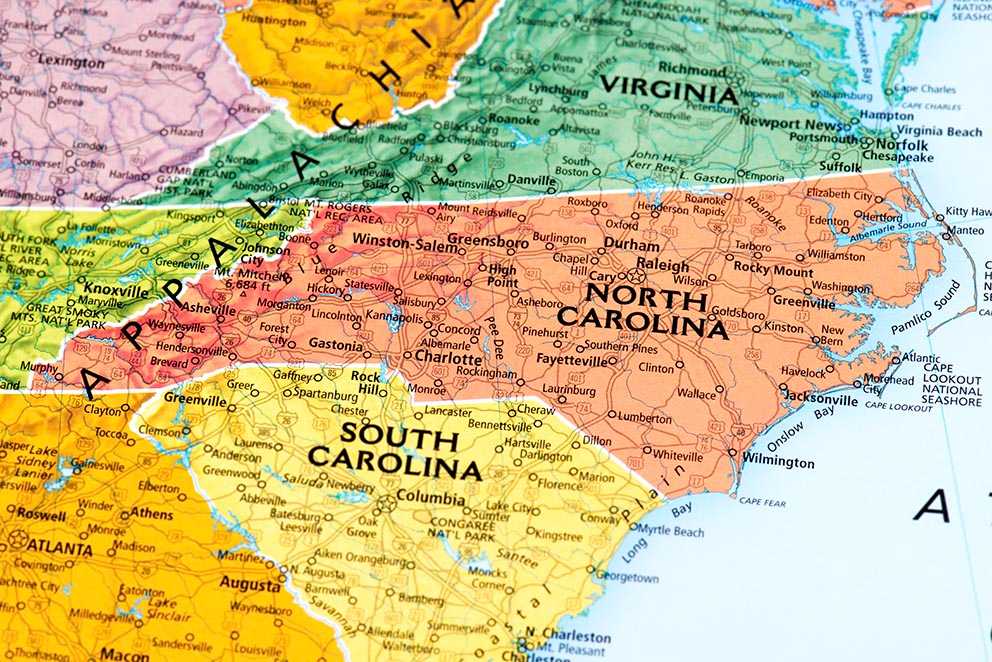
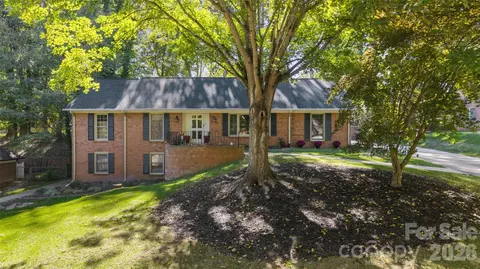
These are best the suburbs for living in Charlotte. From lively college towns to laid-back lakeside villages, there’s a perfect Charlotte suburb for everyone.
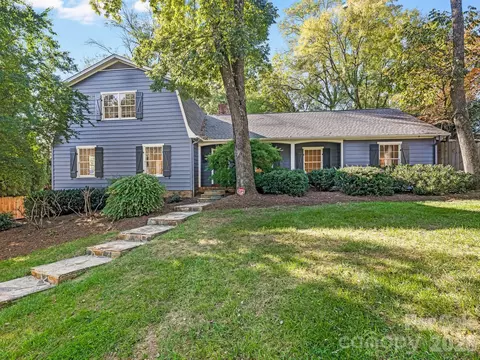
- $1,095,000
- 5Bd
- 3Ba
- 3,487 Sq Ft
New 28 Min


With a population of over 800,000 people, living in Charlotte is quite an experience for anyone who settles in the city or its surrounding areas. The historic, art, suburban, and uptown districts represent the diverse kinds of neighborhoods in the Queen City that offer a spectacular selection of homes in various styles to suit singles, couples, or families.
The ratio of men to women in Charlotte is about 1:1, with half the population being European American, a little more than a third being African American, and approximately 18% being Asian, Hispanic, or Native American. The majority of residents in all districts have a bachelor's or graduate degree.
What are you looking for in the way of housing? You will find it in Charlotte. Six districts in the city have been designated historic and each represents its own historical era in style and architecture. Some are known for their distinctive landscaping and roads, all-embracing buildings that represent different visions for the area, or the revitalization of Victorian homes and gardens. Others are reminiscent of the 1920s with their streets lined with trees overhanging in canopies and bungalow style homes. You can even find revival houses that represent the Tudor or Colonial style. The statistics for the six districts are as follows:
Low property values in predominately African-American neighborhoods reflect the stigma attached to the area and not the actual value of the house.
Uptown is a completely urban financial district that boasts a vibrant and growing nightlife experience. It is very contemporary and provides housing mostly in luxury condos that are still currently being built. This area hosts the majority of the city's museums and theaters, and a good portion of its best eating establishments. People from all cultures and ethnicities thrive here. Uptown statistics: 75% European-American, avg. income $134,000, 55% male, avg. age 29, 70% non-family households, 68% white collar employed, mean house price $209,000.
The Art District is yet another face of Charlotte. The population consists mostly of European-Americans and African-Americans, but nearly every ethnicity is significantly represented here. It is by far the most colorful and expressive district in the city, and is affectionately known as NoDa, a nickname for the major thoroughfare of North Davidson Street. The area used to be a textile mill village, but was reclaimed by artists and musicians who built and refurbished bungalows, lofts, and condos. Galleries and live music venues dominate the area, as well as great places to eat. Delis feature finger sandwiches, clubs provide music and poetry slams, and the community hosts regular Gallery Crawls to promote human expression through various mediums. Singular shopping is also to be had here. Natural and homemade products are in abundance, including hemp products, jewelry, posters, and one-of-a-kind gifts. NoDa statistics: 40% African-American, avg. income $53,000, 51% male, avg. age 32, 45% family households, 63% white collar employed, mean house price $223,000.
Most neighborhoods enable residents to walk to local amenities and access bus and rail transportation to other areas in the community.
Charlotte area school populations are increasing every year. This will mean that the demographics of race, aptitude, and elective interest will also fluctuate. Students may benefit from increased selection to better suit their personal educational needs.
Piano bars and various other types of bars, fitness facilities, recreational activities, and even grocery stores offer opportunities to engage new people or to stay in touch with acquaintances you have already made. Tosco Music Party has been a fun favorite for couples for over 20 years. Take a leisurely stroll through the many gallery crawls in the Art District. Take in a show at your choice of theaters or share some laughs at a local comedy club. You will be hard pressed to run out of great dining experiences. You have your choice of cuisine from specific cultures in public or more private settings, including late night spots for nightcaps after a great day out or a trying day at work. Spend the day outdoors with a picnic and other outdoor activities at one of several public parks or green spaces.
Parks and green spaces are great for family time. Amusement parks, zoos, horseback riding, and bonfires are just the tip of the outdoor iceberg of family activities. Cultural festivals and American traditions are also held annually around the city. You can get in on a murder mystery with talented professional actors, charter a yacht, or visit one of the many galleries or specialty museums. Places like Ten Park Lanes offer a variety of activities that suit everyone and are unique to Charlotte. Bowling, live music, dancing, pub drinks and food, arcade games, outdoor dining, and activities like shuffleboard and Bocci are all available in one facility.
Charlotte is home to the Carolina Panthers, the Charlotte Hornets, NASCAR, and Charlotte Motor Speedway. It hosts the largest hub for US Airways, the global headquarters for Chiquita Bananas, and boasts a very well educated community. Charlotte is the energy hub and headquarters for Duke & Progress Energy companies, it is the second largest banking hub in the US, and it is also the site of the first gold rush in the US.